
eLearning Blog

Action-Oriented Learning: Turning Knowledge into Performance
Learning by Doing: Turning Training Into Performance. Activity-based learning within a modern LMS transforms knowledge into action. Learners engage with interactive scenarios, micro-simulations, and hands-on exercises that mirror the challenges they will face on the job.This method strengthens understanding, improves retention, and builds confidence, allowing learners to apply skills in real-world situations.

Best LMS for Employee Training: A Comprehensive Learning Platform
The Learning Lab: A Premium LMS for Engaged Learning. The Learning Lab is a boutique LMS designed to help organizations create meaningful, Brand-aligned elearning experiences. With a sleek, user-centric design and robust functionality, it allows companies to craft interactive, fully branded training programs that elevate both skills and engagement.

Converting Employee Transitions into Scalable Training Assets
From Employee Turnover to Talent Acceleration: A Smarter Training Approach. Workforce turnover has become so common in customer-facing environments that it fades into the background. People leave. Schedules are adjusted. Another onboarding deck is distributed. The same phrase is repeated: “It’s normal for this sector”.

14 Experiential Learning Ideas to Elevate Your LMS Programs
Skill Application in Focus: A Modern Approach to Training Excellence. Activity-based learning shifts training from passive consumption to active participation. Through realistic simulations, guided practice, and scenario-based exercises, individuals apply concepts in context—refining judgment, strengthening communication, and building practical capability. This hands-on approach develops confidence and adaptability that extend naturally into everyday responsibilities.

Retail Learning Retention Systems: How to Improve Knowledge Retention and Performance
Repetition, spacing, and coaching prompts that prevent forgetting and protect service standards.
Retail training fails in a predictable way: the workshop was good, the module was completed, the quiz score was fine, and two weeks later the team is back to old habits. That is not laziness. It is memory. People forget, especially when work is intense, fragmented, and full of interruptions.

Nano Learning in Online Training: Formats That Drive Performance
Video, audio, quizzes, scenarios, and job aids that create impact in under two minutes, for retail teams who learn in real life. Nano learning is not “short content.” It is precision training designed to be applied immediately, often in under two minutes. In retail, that constraint is a strategic advantage: it forces you to focus on one behavior, one phrase, one detail, one decision.

Mobile-First Microlearning Design for Retail
The main rules that make training usable during a real workday shift. Mobile-first microlearning is not a trend anymore. It is the default environment where retail teams actually learn, especially in fashion, beauty, watches, and luxury: short breaks, constant interruptions, noise, shared devices, uneven Wi‑Fi, and the pressure of real clients waiting. If learning content is not designed for that reality, it will be ignored, no matter how good the pedagogy is.

Microlearning for Product Launches in Retail
A seasonal playbook that aligns stores fast, protects brand storytelling, and lifts confidence on the floor. A product launch in retail is not a marketing moment. It is an operational stress test. In fashion, luxury, watches, beauty, and accessories, launches compress everything at once: new product knowledge, new storytelling, new objections, new display logic, new client expectations, and often new staff.

Instalearning for Retail Training
Instalearning for Retail. The 5-minute lesson template that turns training into on-the-job support, not “another course.” Retail teams don’t need more training time. They need fewer moments of uncertainty.
Nano Learning vs Microlearning for Retail Teams
A practical decision guide to choose the right format for product, service, and sales skills and scale it globally.
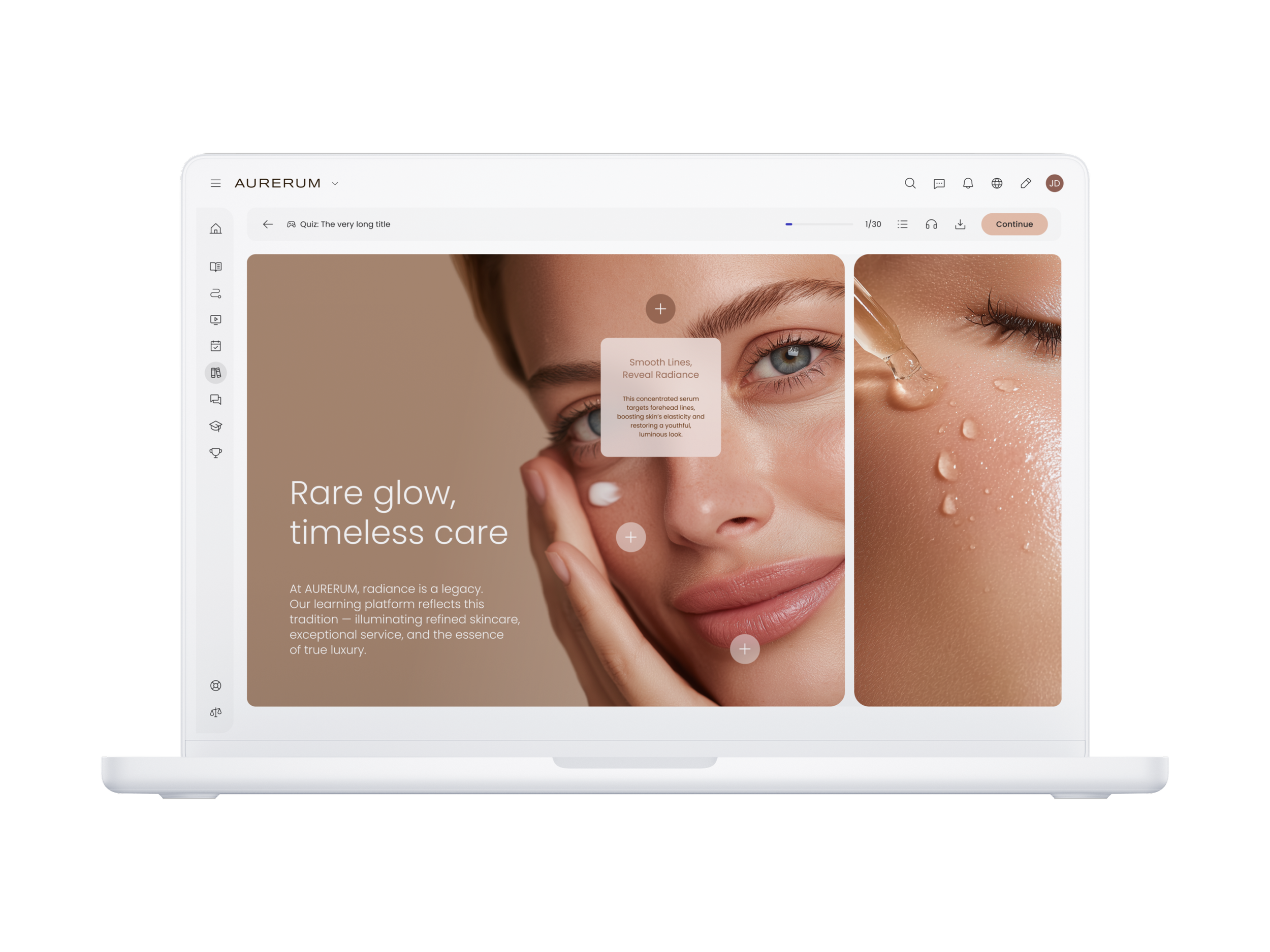
Retail training has one brutal constraint: time is fragmented. Store teams learn between clients, during short back-of-house moments, before opening, or in the last minutes of a shift. That’s why nano learning and microlearning have moved from “nice modern formats” to the default architecture for frontline training. Penceo’s own point is straightforward: short lessons fit busy schedules, work well on mobile, and keep engagement high through focused, bite-sized delivery.

Training for Success: Mastering Knowledge Retention
Training That Sticks: Mastering Knowledge Retention for Lasting Success. In any fast-paced industry, information changes quickly, and employees need more than a single training session to stay proficient. Ensuring knowledge retention is essential for building a skilled, confident workforce that can adapt to new tools, processes, and industry updates.

Why Learning Paths Improve Online Training
From Training to Performance: Why Learning Paths Matter. Effective training only delivers real results when it translates into confident, consistent behaviors in the workplace. Learning paths provide structure and clarity by guiding learners step by step—from onboarding to mastery—rather than relying on disconnected, one-off training sessions.

Top LMS Solutions for Designing Learning Content
How No-Code LMS Authoring Tools Transform Training into a Scalable Learning Engine. In 2026, simply having a learning management system is not enough. The real advantage comes from whether your teams can create, update, localize, and publish engaging learning content quickly without relying on long production cycles or technical specialists.

Learning in Motion: Video-Based Training Today
Learning in Motion: How We Design Video-Based Learning. At The Learning Lab, we design video-based learning solutions as a central component of modern training strategies, not just as a supplementary format. It enables learners to see skills, processes, stories, and behaviors in context, making knowledge easier to understand, retain, and apply in real-world scenarios.

5 Effective Strategies to Enhance Workplace Training
How Modern Training Elevates Performance, Enhances Customer Experience, and Scales Through Coaching and Blended Learning. Employee training is evolving rapidly. The traditional approach of delivering information, sharing company history, running a few role plays, and hoping for results no longer meets the demands of today’s workforce or customers.

Employee Training Trends and Innovations in 2026
Top 5 Trends and Innovations Transforming Employee Training in 2026. Employee training is rapidly evolving in 2026, driven by innovative learning technologies, changing workforce expectations, and the growing demand for personalized professional development. Organizations across industries are rethinking how employees learn, adapt, and grow in their roles.

How AI Is Reshaping Learning and Development
Over-Automated Learning: When AI Weakens Organizational Culture. Across industries, the rapid adoption of AI-driven learning and development has made it easier than ever to generate training content, personalize learning paths at scale, and deploy programs globally. For many organizations, automation promises speed, consistency, and efficiency.
Blended Learning for Retail Brands: The 2026 Model
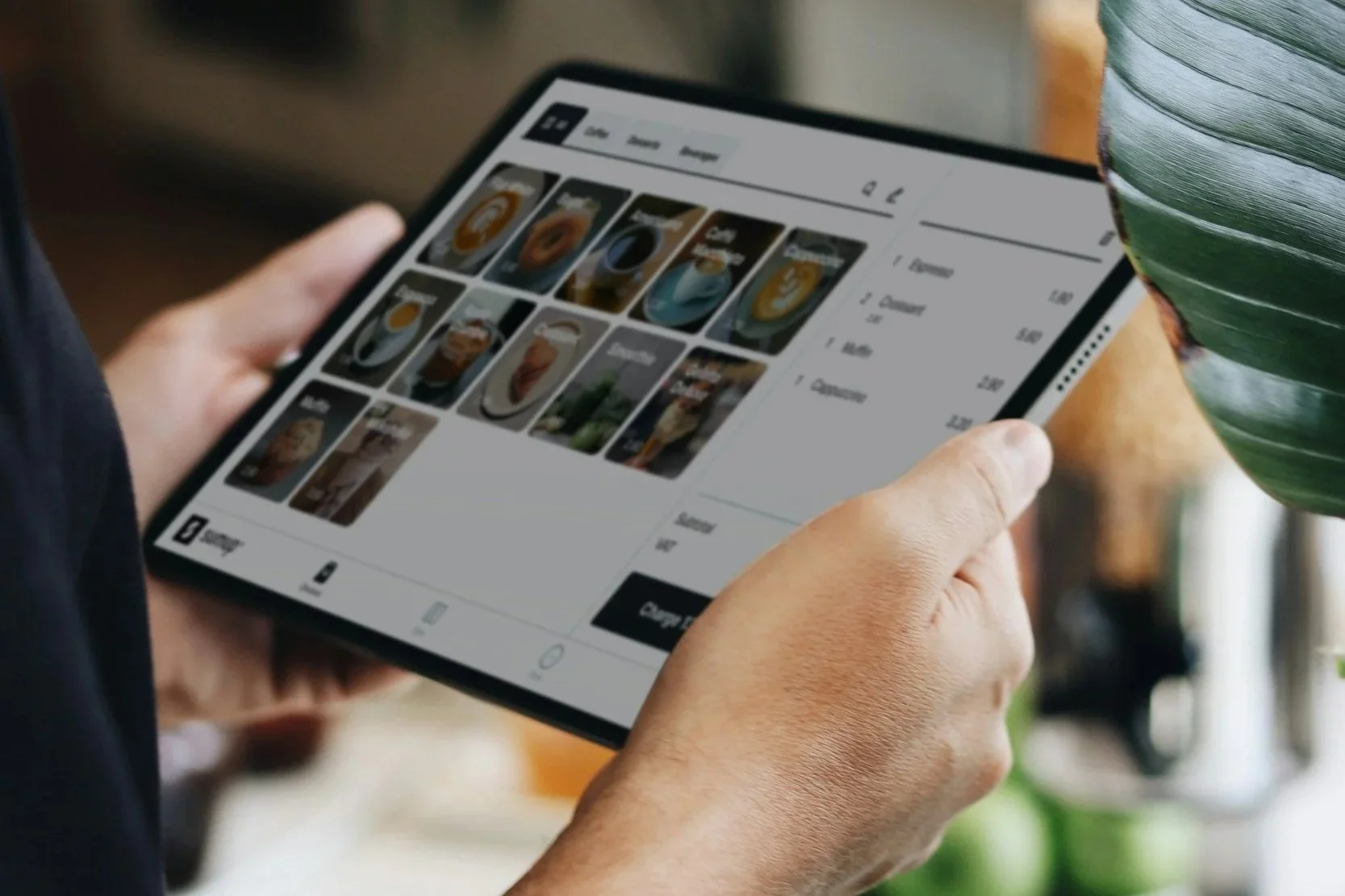
A retail-first approach that combines mobile learning, virtual training, and in-store coaching to keep standards consistent worldwide. Blended learning is a training model that combines digital learning (mobile modules, videos, quizzes, scenarios) with human learning moments (virtual classes, workshops, coaching, live practice). In retail, it exists for one reason: to connect knowledge to behavior on the shop floor without breaking operations
Customizing Your LMS Into a Brand Experience
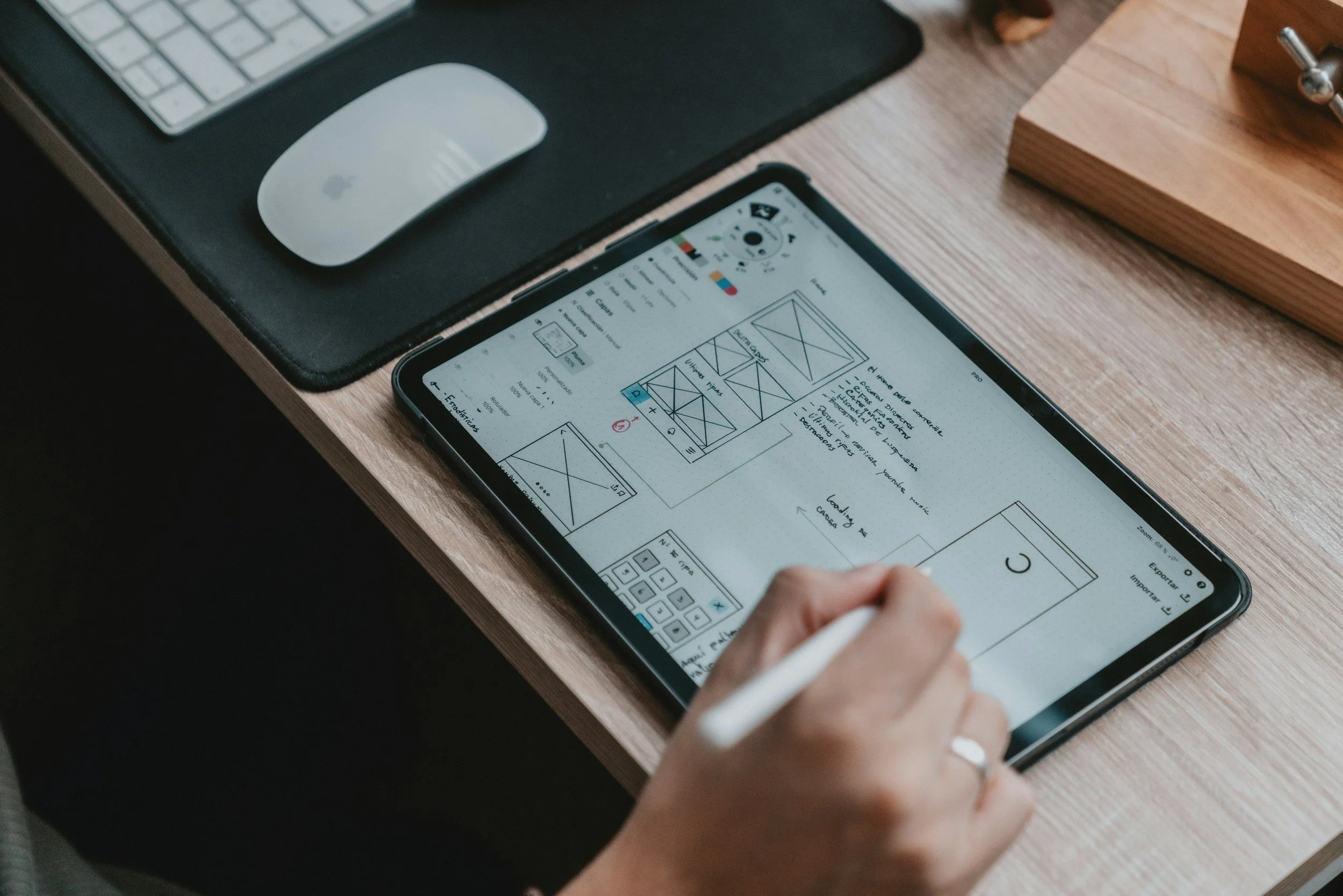
Why the best learning platforms in 2026 needs to feel like the a fun social media and not like a training school. A learning platform is not neutral. The moment a sales advisor opens it, they subconsciously judge whether it belongs to the brand or whether it is “another corporate tool.” That first judgment decides attention, and attention decides learning.

Why Video Contents Are the Best Training Support in 2026
How to use short video, interactive formats, and community-first storytelling to turn your LMS into a “Learning Social Media System.” Video is the strongest training support because it matches how people already consume information at scale.