
Benefits of Blended Learning in Professional Training
Blended Learning: Combining Digital Tools with Human Interaction
Effective employee training goes beyond simply sharing information. True professional development involves practical skills, confidence, communication, and the ability to apply knowledge in real workplace situations.
Training that focuses only on theory or digital content cannot fully develop these capabilities. Employees need hands-on practice, personalized guidance, and opportunities to engage with mentors and peers to transform knowledge into meaningful performance.
Traditional training methods often face challenges. Classroom sessions provide interaction and personalized feedback, but they can be costly, hard to scale across locations, and inconsistent in delivery. Digital learning, on the other hand, offers scalability, flexibility, and standardized content but may feel impersonal, generic, and disconnected from real-world applications.
Blended learning solves this problem by integrating digital training tools with live coaching and interactive sessions. Digital modules deliver consistent knowledge and measurable progress, while workshops, mentoring, and collaborative exercises help employees apply skills effectively in real scenarios.
The most successful professional development programs combine both approaches, ensuring that learning is efficient, scalable, and impactful. Blended learning empowers employees to build workplace skills, engage actively, and perform confidently, creating lasting results for organizations.

What Is Blended Learning? A Strategy to Combine Efficiency, Engagement, and Results
Blended learning is a strategic approach that integrates digital learning with human interaction to create employee training programs that are both scalable and highly effective.
It combines structured eLearning modules covering essential knowledge, company processes, and workplace skills with hands-on practice through coaching, live workshops, and on-the-job application.
In professional development, success depends on translating knowledge into action, behavior, and measurable performance. Blended learning ensures that employees not only understand concepts but can also apply them confidently in real workplace situations. Digital learning tools provide consistency, efficiency, and measurable progress, while human interaction adds context, guidance, and engagement—creating training that drives performance and fosters meaningful skill development.
Key Components of Blended Learning in Professional Training
eLearning Modules
Provide consistent training on company policies, operational processes, and core skillsMobile Microlearning
Short, targeted content (2–5 minutes) accessible anytime, anywhere to reinforce learning on the jobLive Sessions (Online or In-Person)
Enable interaction, discussion, and deeper understanding of conceptsCoaching and Mentorship
Reinforces learning through real-time feedback, guidance, and practical application
Why Blended Learning Is Essential for Professional Development
Connects Knowledge with Action
Training goes beyond theory to ensure employees can apply skills confidently in real workplace scenariosBalances Scale with Human Interaction
Digital modules provide consistent learning at scale while coaching and live sessions add context, engagement, and personalized supportDrives Behavioral Change
Focuses on improving practical workplace skills, communication, teamwork, and performance outcomes
Data and Impact
Blended learning programs show 20–30% higher engagement rates compared to fully digital training
Learners retain up to 60% more information when combining digital modules with practical application
Onboarding time can be reduced by 30–40% with a digital plus coaching model
Teams using blended learning report 15–20% improvement in performance metrics
In summary, blended learning transforms employee training from a one-time event into a continuous, experience-driven journey, connecting digital knowledge, practical application, and workplace performance.
Bridging Online and Onsite Training
The true power of blended learning comes when digital and in-person training experiences are fully integrated.
In professional development, learning should not be divided between online courses and workplace practice. Instead, it should flow seamlessly from one to the other. Digital learning modules provide preparation, hands-on training activates skills, and online reinforcement sustains performance over time. This creates a continuous learning loop where knowledge is acquired, applied, refined, and embedded into everyday work routines.
How to Integrate Online and Onsite Learning
Centralized Training Platform
Plan sessions, track participation, and monitor employee progress in a single systemDigital Preparation Before Practice
Provide learners with essential knowledge and context prior to live or in-person sessionsPost-Training Reinforcement
Use short, targeted digital modules to reinforce learning after practical applicationContinuous Learning Loops
Encourage employees to move from learning to doing, reflecting, and improving performance consistently
Impact on Professional Development
Blended learning transforms employee training into a continuous, results-driven process. Each interaction—online or in-person—reinforces skills, builds confidence, and improves overall workplace performance.

Why Professional Training Benefits from a Blended Learning Approach: Balancing Engagement, Skills, and Scale
Modern workplaces require more than the simple transfer of knowledge. Effective employee training must develop practical skills, communication, problem-solving, and the ability to apply concepts confidently on the job.
These are human-centered skills that require observation, practice, and feedback. At the same time, organizations need consistency, efficiency, and scalability—benefits best delivered through digital learning tools. This is why a blended learning approach is essential: it combines the scalability and structure of digital modules with the depth and personalization of live coaching and interactive sessions. The result is training that is both efficient and impactful, driving measurable improvements in workplace performance.
Key Dimensions of Effective Learning
Visual Learning
Understanding processes, workflows, and procedures benefits from clear demonstrations, diagrams, and visual examplesEmotional Engagement
Training should inspire motivation, confidence, and connection to organizational goalsExperiential Learning
Knowledge is reinforced through hands-on practice, observation, collaboration, and real-world application
Key Skills to Develop in Professional Training
Practical Application
The ability to apply knowledge and skills effectively in real workplace scenariosCommunication and Relationship Building
Developing strong interpersonal skills, collaboration, and client or team engagementStorytelling and Knowledge Transfer
Translating concepts, projects, or company values into meaningful narrativesProfessional Presence
Demonstrating confidence, effective behavior, and alignment with organizational culture
Why Blended Learning Is Essential
Digital Learning Alone Is Not Enough
Fully online programs may provide knowledge but often lack practical application, engagement, and personalized feedbackIn-Person Training Alone Is Not Scalable
Classroom or onsite-only programs are hard to deliver consistently across teams, departments, or locationsBlended Learning Delivers Performance-Driven Results
Combining digital learning modules with hands-on coaching, mentorship, and interactive workshops ensures consistency, engagement, and real-world skill application
Data and Observed Impact
Knowledge retention increases by up to 60% when using blended learning compared to single-format training
Programs combining digital modules and live coaching show 20–25% higher skill application on the job
Experiential and interactive learning formats improve engagement by 30–40%
Employees trained with blended approaches report 25% faster confidence building in practical tasks and workplace interactions
In summary, effective professional training requires a blended learning approach that is seen, practiced, and reinforced while remaining scalable across organizations and teams.
Key Benefits of Blended Learning in Employee Training: Enhancing Engagement, Skills, and Performance
Blended learning combines the precision and scalability of digital learning tools with the depth and personalization of human interaction to create training that is both engaging and effective in the workplace.
In professional settings, where learning must translate into applied skills, confidence, and measurable performance, this approach ensures that knowledge is continuously reinforced, practiced, and applied. By combining multiple formats and touchpoints, blended learning transforms training from a one-time event into a dynamic, ongoing driver of employee performance.
1. Stronger Engagement
Using a mix of formats—videos, microlearning modules, live workshops, and mentorship—keeps employees actively involved and reduces learning fatigue. Human interaction adds emotional connection, making the experience more relatable and motivating.
Higher attention through varied learning formats
Emotional engagement through coaching and collaboration
Increased participation and course completion rates
Blended programs can boost employee engagement by 20–30% compared to single-format training
2. Better Knowledge Retention
Reinforcing learning across multiple formats—seeing, practicing, and discussing—helps employees retain and apply knowledge more effectively.
Reinforcement through diverse touchpoints
Combination of theory and hands-on practice
Improved long-term memory and skill application
Retention rates can improve by up to 60% with blended learning
3. Faster Time to Competency
Digital onboarding delivers essential knowledge quickly, while coaching and practical exercises accelerate skill acquisition and confidence.
Faster onboarding for new employees
Immediate application of knowledge in real tasks
Reduced time to operational readiness
Time to competency can be reduced by 30–40% with blended approaches
4. Real Application in the Workplace
Blended learning bridges the gap between theory and practice, enabling employees to apply knowledge directly to their daily work.
Immediate transfer from learning to action
Hands-on practice through real-world scenarios and mentorship
Increased confidence in performing tasks and engaging with clients
Programs show 20–25% improvement in on-the-job performance
5. Scalability with Consistency
Digital learning ensures consistent knowledge delivery across locations, while live coaching allows for contextual adaptation to team or department needs.
Consistent training across multiple teams or locations
Flexibility to adapt learning locally
Scalable yet personalized development experience
Organizations report 2× higher consistency in training deployment with blended models
In summary, blended learning transforms employee training into a continuous cycle of learning, practicing, and performing, ensuring that knowledge is not only delivered but actively applied in the workplace to drive engagement, skill development, and measurable performance.

Role of Technology in Blended Learning: Scaling Training Without Losing Human Impact
Technology is a critical enabler in blended learning, but it supports human interaction rather than replacing it.
In professional development, training must translate into applied skills, confidence, and real-world performance. Modern digital learning platforms serve as the backbone of this ecosystem by organizing content, connecting employees, and supporting day-to-day workplace learning.
Advanced platforms integrate mobile-first access, microlearning formats, AI-assisted workflows, and analytics to deliver training that is fast, relevant, and scalable. AI helps teams create, personalize, and optimize content efficiently, while humans remain essential for providing context, guidance, and meaningful learning experiences.
Learning Management System (LMS) as the Core of Blended Learning
Mobile-First Access
Employees can access training anytime, anywhere, supporting learning in the flow of workMicrolearning & Bite-Sized Content
Short, engaging modules designed for quick consumption and retentionAI-Assisted Content
Speeds up creation, structuring, and updating of training materialsMultilingual Support
Enables instant global deployment while allowing for local adaptationAdvanced Analytics
Track engagement, skill development, and measurable business impact
AI as an Assistant for Learning Teams
Content Creation Support: Generate drafts, quizzes, and learning pathways efficiently
Chatbot Assistance: Provide real-time answers and guidance to learners
Personalization: Tailor learning paths based on role, skill level, and performance
Key Principle
Technology enhances efficiency and scalability, but humans provide meaning, context, and relevance. The combination ensures that training is both effective and impactful, translating into real-world skill development and improved workplace performance.
In summary, technology makes blended learning scalable, efficient, and measurable, while the human element ensures learning is engaging, personalized, and aligned with organizational goals.
The Human Layer: What Must Remain Human in Professional Training
In effective workplace training, learning is not just about understanding concepts—it is about applying, experiencing, and internalizing skills.
While technology enables scale and efficiency, the human element is what gives training depth, credibility, and emotional impact. Coaching, mentorship, and real interactions are essential to translate knowledge into action and lasting workplace performance.
Without this human dimension, training risks becoming generic, disconnected, and less engaging. For learning to be effective, it must feel authentic, personal, and relevant, because the brain engages best when it recognizes genuine experience.
What Must Stay Human
Coaching and Feedback
Personalized guidance refines skills, enhances confidence, and ensures practical applicationManager and Mentor Roles
Leaders reinforce learning through daily support, observation, and hands-on mentoringAuthentic Stories and Testimonials
Sharing real experiences builds credibility, emotional connection, and relevancePeer Learning and Collaboration
Exchanging best practices and field insights drives engagement and continuous improvementEmotional and Experiential Learning
Passion, nuance, and real-world context can only be conveyed through human interaction
Data and Insights
Learning programs with human interaction drive 30–40% higher engagement
Employees are twice as likely to apply skills when supported by coaching
Peer-generated content can increase participation by 20–35%
Emotional connection significantly improves retention and behavior change
Key Insight
Effective workplace training must feel real and human. Technology can deliver knowledge efficiently, but skills, behaviors, and confidence are developed through human interaction, mentorship, and authentic experiences.

Practical Use Cases: Bringing Blended Learning to Life in the Workplace
Blended learning becomes most effective when applied to real business scenarios. By combining digital learning tools with hands-on practice and human interaction, organizations can create training experiences that are immediately relevant, actionable, and directly connected to day-to-day operations.
Whether launching new initiatives, onboarding employees, or improving team performance, blended learning ensures that knowledge is not just delivered—it is applied effectively on the job.
New Initiative Launch
A critical moment where speed, consistency, and knowledge application are essential.
Digital Learning Modules: Provide key information, guidelines, and best practices before launch
Practical Sessions: Apply skills and workflows in real-world scenarios
Result: Faster adoption of new processes and confident execution from day one
Onboarding New Employees
The first weeks are crucial for building confidence and alignment with organizational standards.
eLearning Modules: Introduce company culture, operational processes, and core skills
Buddy System or Mentorship: Pair new hires with experienced employees for real-life guidance
Result: Faster integration, stronger engagement, and quicker readiness to perform
Performance Excellence and Continuous Development
Ongoing skill development helps employees refine capabilities and improve outcomes.
Scenario-Based Learning: Practice client interactions, problem-solving, and role-specific tasks digitally
Coaching and Feedback: Supervisors reinforce learning through observation, mentoring, and real-time guidance
Result: Improved confidence, consistency, and measurable workplace performance
In summary, blended learning connects training to real business moments, ensuring that learning is practical, applied, and embedded into everyday work. Employees don’t just acquire knowledge—they practice, refine, and translate it into better performance and results.
Challenges and Best Practices: Implementing Blended Learning Effectively
Blended learning can deliver significant benefits, but only when implemented with the right balance. In professional training, the risk is not adopting technology—it is overusing it without purpose.
The most effective strategies avoid generic, overly digital experiences and instead combine efficiency with authenticity. Success comes from designing training that is short, relevant, human-centered, and aligned with organizational goals.
Key Challenges to Avoid
Over-Digitalization
Excessive focus on digital content can reduce engagement, emotional connection, and practical applicationGeneric AI-Generated Content
Content that lacks context, relevance, and credibility may fail to resonate with employeesDisconnected Learning Experiences
Training that does not reflect real workplace scenarios or employee needs reduces effectivenessContent Overload
Long, dense modules can decrease attention, completion rates, and learning retention
Best Practices for Effective Blended Learning
Keep It Short and Impactful
Use microlearning modules of 2–5 minutes that fit seamlessly into daily workflowsIntegrate Human Touchpoints
Combine digital modules with coaching, live sessions, and peer learning to reinforce skills and engagementAlign with Organizational Culture
Ensure tone, visuals, and examples reflect company values and workplace realityUse AI as an Assistant, Not a Replacement
Leverage AI to accelerate content creation while maintaining human oversight and qualityDesign for Real-World Application
Link every learning moment to a concrete action or task that employees can apply immediately
Data and Insights
Microlearning can increase completion rates by 30–50%
Programs combining human interaction and digital learning show 20–30% higher engagement
Generic content is perceived as twice as less relevant by learners
Training aligned with organizational culture significantly improves behavioral adoption and skill application
In summary, the success of blended learning depends on balance—technology for scale, humans for meaning, and content for relevance. When implemented thoughtfully, it drives engagement, practical skill development, and measurable workplace performance.
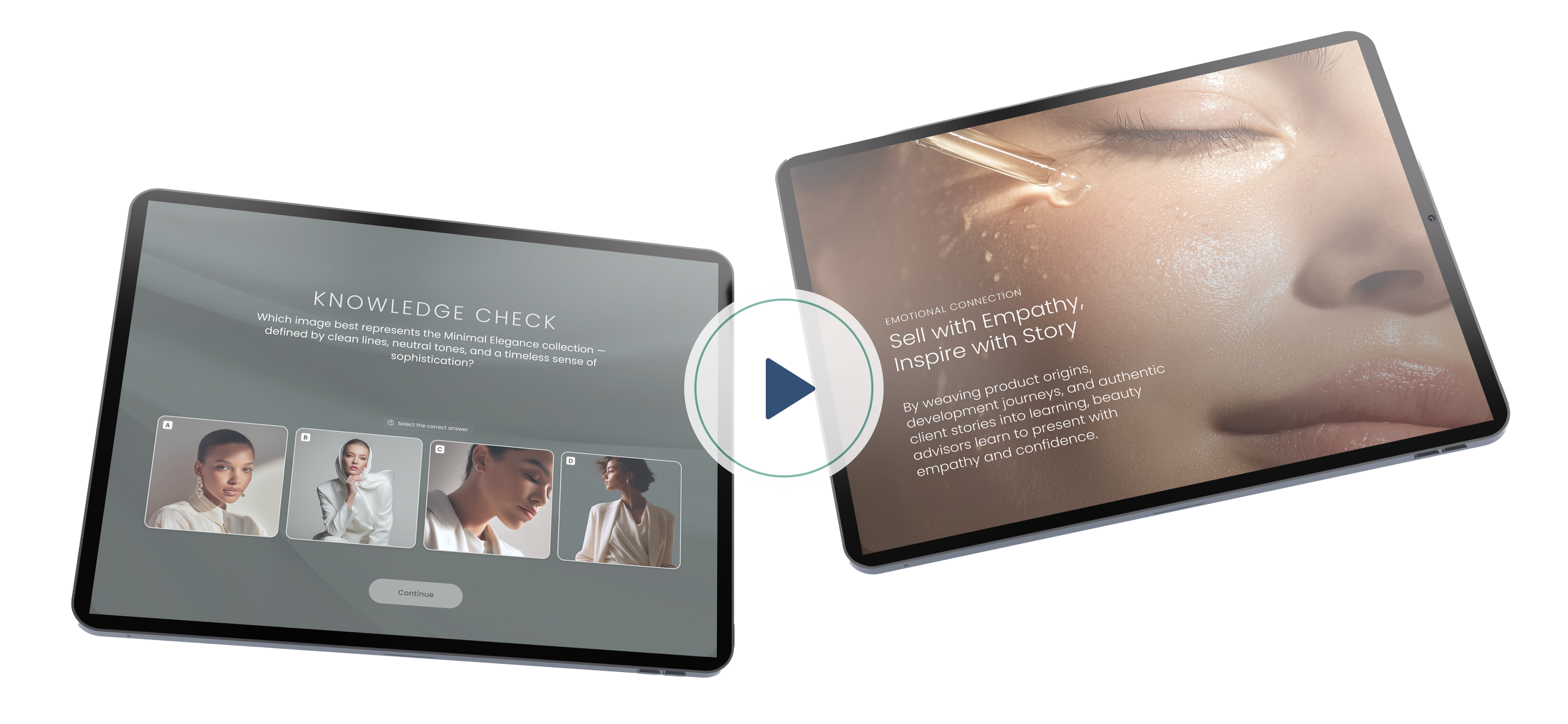
Conclusion: Blended Learning as the Future of Professional Training
Blended learning is no longer optional in modern organizations—it has become the standard for effective employee training. In workplaces where skill application, engagement, and performance matter, training must go beyond simple content delivery and become a continuous enabler of workplace success.
The most effective programs balance technology and human interaction, ensuring learning is both scalable and deeply impactful.
At its core, blended learning is about balance:
AI + Human → combine efficiency and speed with guidance, creativity, and meaningful interaction
Digital + In-Person → deliver consistent knowledge while enabling real-world application
Efficiency + Engagement → achieve operational excellence while fostering connection, motivation, and confidence
Modern learning platforms provide the tools to support a fully integrated blended learning ecosystem. From mobile-first eLearning, microlearning, and AI-assisted content creation to coaching, social learning, and performance tracking, organizations can seamlessly connect digital training with hands-on practice. This approach ensures that learning is not only delivered but actively applied and embedded in daily work.
Final Message:
Organizations that succeed will be those that design training like they design high-performing teams—intentional, engaging, and deeply human. Blended learning enables continuous skill development, measurable performance improvement, and a workforce that is prepared, confident, and empowered to excel.