
2026: The Year of Real Learning Growth
Did you know that you can create a strategic framework for professional growth?
This framework can develop your team’s skills, foster a thriving learning environment, and become the foundation of your organizational culture.
Why 2026 Calls for a New Approach to Learning and Development?
We are entering a pivotal year for workplace growth and professional development. Across industries, employee expectations are rising, competition for talent is increasing, and organizational change is accelerating. Yet many companies still rely on fragmented, outdated, or compliance-only training programs, which fail to fully develop their workforce or build long-term engagement.
Focusing on the continuous professional growth of existing employees is far more efficient, cost-effective, and impactful than constantly hiring and onboarding new staff. When training is structured, purposeful, and recognized, it becomes a powerful retention strategy and a clear reflection of company culture and employee value.
How to Build a Strategic Growth Framework? To build this framework, start by treating training as a growth engine. Then, design a comprehensive learning library with accessible, high-quality content. Finally, implement a recognition and rewards system that is data-driven and transparent, ensuring that employee development is both measurable and meaningful.
By embedding continuous learning, professional growth, and talent development into your organizational strategy, companies can increase employee engagement, boost performance, and strengthen culture in 2026 and beyond.
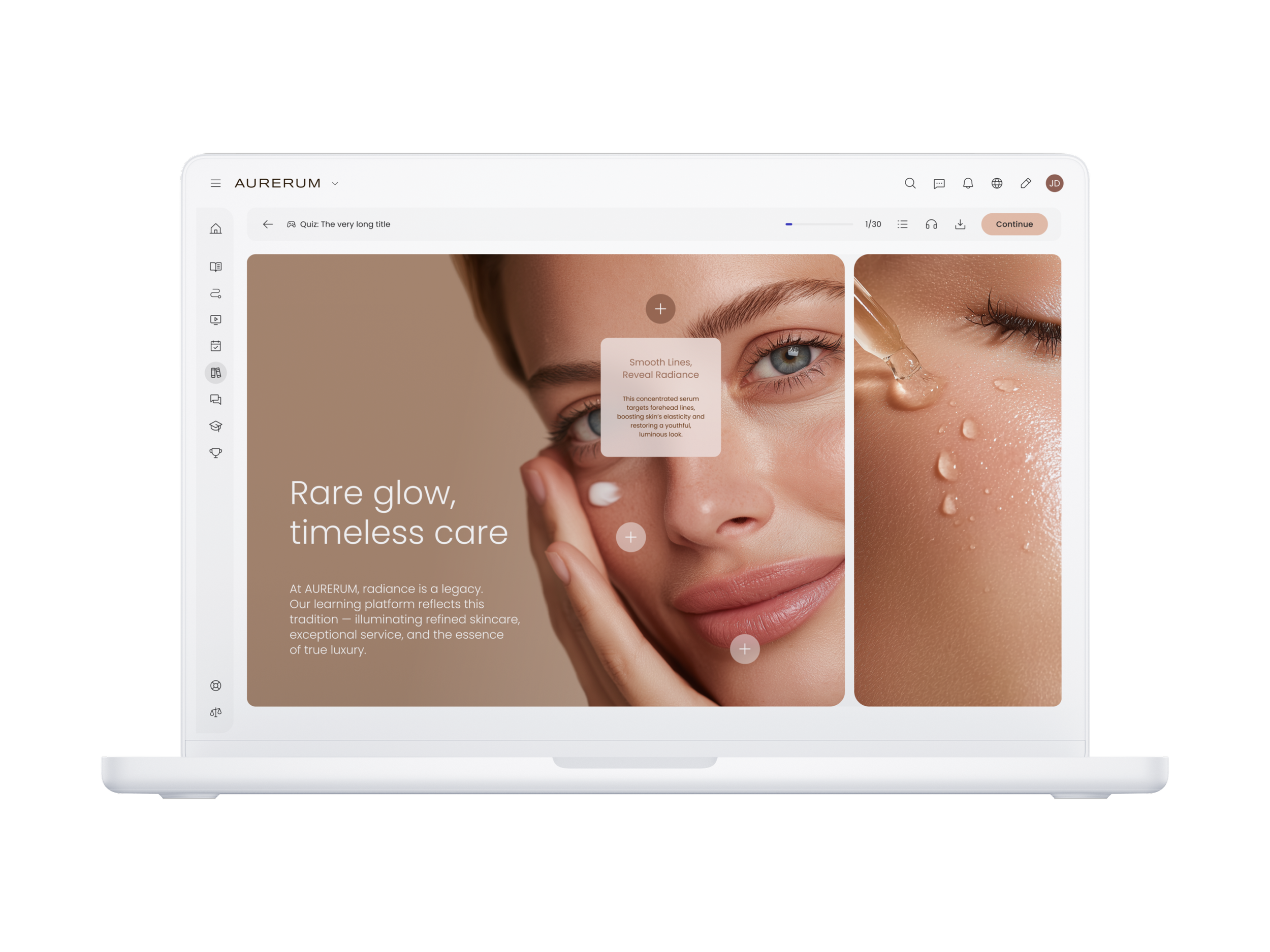
Training as Professional Growth – The Business Case That Changes Everything
The Hidden Cost of Turnover Versus the Investment in Learning
Many organizations face a significant employee turnover challenge. High turnover not only disrupts teams but also incurs substantial financial and operational costs. Replacing a single employee, including recruitment, onboarding, lost productivity, and training time, can range from thousands to tens of thousands of euros or dollars, depending on role and industry.
However, the business case for professional growth and employee development goes far beyond simple cost avoidance. Investing in continuous learning, skills development, and talent retention strategies strengthens organizational performance, increases employee engagement, and builds a resilient company culture.
By prioritizing structured training programs and making learning a strategic investment, organizations can reduce turnover, enhance team productivity, and achieve long-term business growth.
Professional Growth Directly Drives Business Performance
When employees continuously develop their knowledge, skills, and professional capabilities, organizational performance improves measurably. Research across industries consistently shows that:
Expert knowledge drives results. Employees who understand their field deeply, including processes, products, and value propositions, perform at higher levels than those trained only superficially.
Skill development enhances outcomes. Training in communication, customer service, and consultative techniques increases engagement, improves client satisfaction, and boosts overall business performance. Skills grow with deliberate practice rather than tenure alone.
Continuous learning builds confidence and engagement. Staff who follow structured progression programs through onboarding, intermediate, and advanced learning modules develop faster, take greater ownership of their work, and show higher employee engagement and lower absenteeism.
Professional development strengthens brand and organizational culture. When employees are intentionally developed, they consistently deliver excellent experiences that reflect the company’s values. Without structured growth opportunities, performance and consistency decline, affecting both customer perception and business results.
By prioritizing continuous professional development, employee growth, and skills enhancement, organizations can achieve higher performance, stronger engagement, and measurable business outcomes.
Retention Through Professional Identity
One of the most powerful yet often overlooked benefits of structured professional growth is that it shapes how employees perceive themselves and their careers.
Employees who participate in structured learning programs, receive regular feedback, are coached, and are recognized for improvement begin to see their roles as meaningful professional paths rather than temporary positions. They develop a professional identity rooted in excellence, take pride in their skills, and invest emotionally in both their own development and the team’s shared standards.
In contrast, employees who only experience sporadic or generic training without feedback often view their roles as interchangeable, making them more likely to leave when new opportunities arise.
Implementing a professional growth framework sends a clear message: "We see you. We invest in you. Your development matters." Consistently reinforcing this message through continuous learning, recognition, and coaching becomes one of the strongest tools for employee retention and talent development.
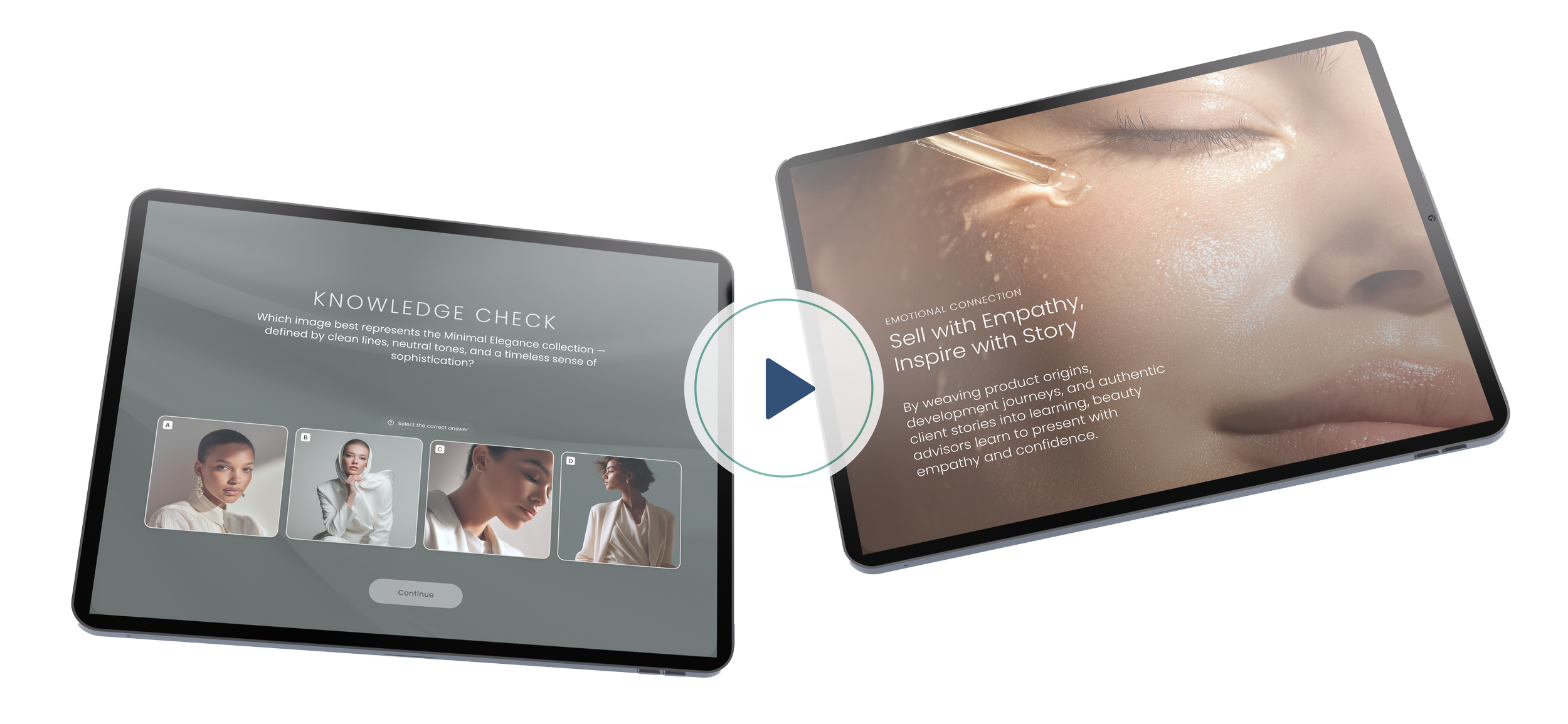
The Professional Training Library – Creating a Learning Infrastructure That Lasts
Why a Training Library Is More Important Than Individual Courses
Many organizations treat training as a series of disconnected projects: "We need a course on compliance." "We need to launch a new product training." "Let's build a leadership module."
Each course is developed, delivered, and then often forgotten, sitting unused in a learning management system. This is what happens with disposable learning content.
A professional training library, in contrast, is a cohesive, curated, and continuously evolving collection of learning resources. It is organized around learning objectives, roles, competencies, and career progression, and designed to be referenced, reinforced, and built upon throughout an employee's development journey.
The library becomes the institutional memory of your organization. It captures your standards, culture, and knowledge, while providing a scalable framework for continuous professional development. By investing in a structured learning library, companies ensure that training becomes strategic, measurable, and impactful rather than temporary or fragmented.
Architecture and Content Types in a Professional Training Library
A robust professional training library should include multiple learning content types, each designed to serve distinct development objectives:
Foundational Modules
These cover onboarding, organizational values, compliance, and core policies. They form the foundation of professional development and define what it means to be part of an organization. These modules should be regularly updated to reflect evolving strategic priorities and organizational culture. They are never considered complete.
Role-Specific Progression Tracks
Modules should be sequenced by role and competency, supporting clear career progression. Employees advance through structured learning paths that build from entry-level onboarding to intermediate skill development and finally advanced leadership competencies.Operational and Process Modules
These modules address new procedures, system updates, project launches, or organizational changes. High-velocity content should be professionally produced, consistently maintained, and remain accessible for reference and refresher training.Soft Skills and Behavioral Modules
Communication, conflict resolution, emotional intelligence, and leadership skills are essential for professional growth. These modules should be experiential, incorporating interactive scenarios, simulations, peer feedback, and applied practice rather than passive lectures.Specialist and Advanced Modules
For employees pursuing specialized roles or leadership positions, these modules deepen expertise in areas such as data literacy, project management, inclusive leadership, and advanced negotiation skills. They provide a clear pathway for professional development and long-term career growth.
A comprehensive training library built around these content types ensures continuous learning, professional growth, and measurable skill development across the organization.

Personalization and Organizational Culture: Achieving the Right Balance
Many training initiatives fail because they rely solely on generic best-practice templates without aligning to the organization’s unique culture.
Even the most well-designed frameworks can feel impersonal, irrelevant, or disengaging if they are not adapted to the company’s values, language, and context.
Effective professional development content should be ready-made yet customizable. Organizations can work with trusted learning design partners to develop or source core learning modules that are pedagogically sound and structurally effective.
The next step is cultural adaptation. Customize examples, scenarios, and exercises to reflect your company’s tone, market, and employee experiences. Replace generic references with real projects, clients, and workflows. Ensure the content embodies your organizational values and cultural norms, whether your culture emphasizes innovation, collaboration, accountability, or creativity.
This approach is cost-effective and essential. Personalized content improves employee engagement, learning retention, and professional growth, while reinforcing the culture and values that define the organization.
Quality Over Disposability: Setting a Content Standard
A critical question for any organization is: Will your training library deliver learning that respects the time, attention, and professional growth of your employees?
Poorly designed, outdated, or irrelevant training is more harmful than none at all. It can signal organizational neglect, discourage participation, and weaken company culture. Establishing a quality standard for all learning content is essential.
Every module should meet the following criteria:
Clear Learning Objectives
Each module should define what employees will be able to do differently after completing it, ensuring measurable skills development and professional growth.Professional Design
Training should be visually appealing, modern, and user-friendly, reflecting organizational standards of excellence. A professional design demonstrates respect for the learner’s time and encourages engagement.Engaging Format
Content should be delivered in microlearning segments, interactive scenarios, or narrative formats. Include video, simulations, peer discussion, and applied exercises to maximize learning retention and maintain engagement.Relevance and Impact
Modules should address real performance gaps, deliver critical new information, or reinforce organizational values and culture. Irrelevant content undermines motivation and decreases effectiveness.Measurable Outcomes
Each module must have clear ways to assess success, such as knowledge checks, behavioral observation, performance metrics, or manager feedback. Measuring outcomes ensures learning initiatives drive real business results and employee development.
Modules that do not meet these standards should not be deployed. Quality learning content supports continuous learning, skill mastery, and long-term professional growth.
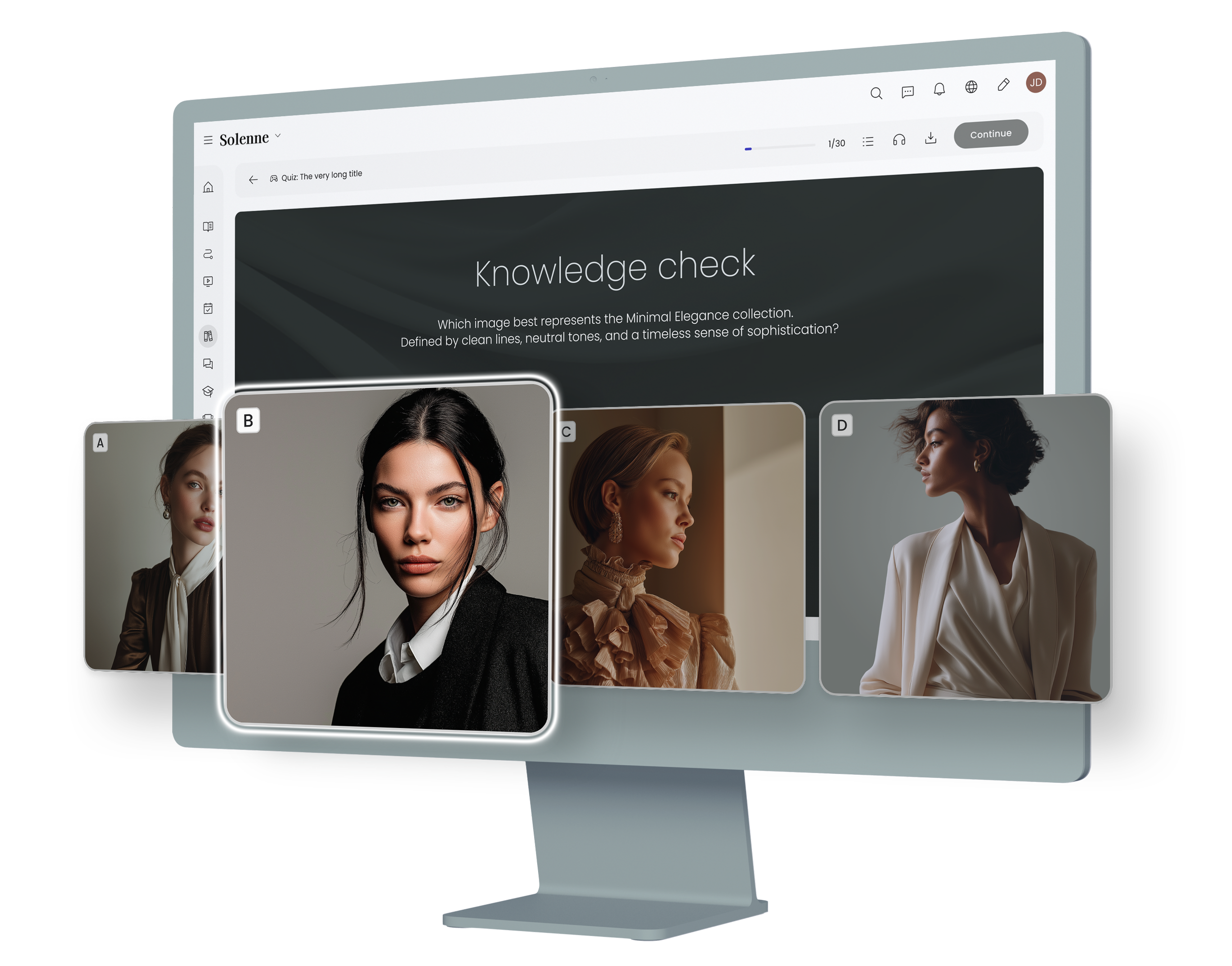
Awards and Recognition – Why It Matters for Employees and Culture
The need for employee recognition is not optional. It is a fundamental driver of engagement, retention, and performance.
When an employee receives genuine and specific recognition for excellence, whether publicly or privately, multiple positive effects occur:
Employees feel seen. Recognition communicates that their contributions are noticed and valued.
Professional identity strengthens. Employees begin to see themselves as high performers and take pride in their skills and achievements.
Commitment deepens. Recognized employees are more emotionally invested in their roles and in the organization.
Peers are inspired. Visible recognition sets a clear performance standard and motivates others to strive for excellence.
For organizations, systematic and visible recognition programs become a form of cultural reinforcement. They strengthen company values, accelerate the normalization of high performance, and signal to both employees and external stakeholders what excellence looks like within the organization.
By embedding awards and recognition into your employee development strategy, organizations can drive engagement, professional growth, retention, and a positive organizational culture.
Awards are not a perk. They are a cultural infrastructure.
Awards must be backed by data or they're just ceremonies
Award programs that drive real impact are rooted in measurable, transparent criteria.
Recognition should not be purely symbolic. The best programs are data-driven, transparent, and defensible. Clear criteria and measurable outcomes ensure that awards validate both individual effort and organizational investment in employee development.
Internal awards can serve as proof points for training effectiveness:
Performance Improvements Linked to Training
When an employee completes a professional development module and demonstrates measurable improvement in their work, recognition validates both the individual’s effort and the training program’s impact.Retention as a Key Metric
Improved employee retention after implementing a structured learning program indicates effective professional development. Recognizing the individuals and teams contributing to this improvement reinforces the value of continuous learning and talent retention strategies.Customer or Client Satisfaction Gains
If training correlates with measurable increases in customer satisfaction, client feedback, or service quality metrics, awards acknowledge the contribution of staff, managers, and the learning program itself.Behavioral and Operational Metrics
Training programs that lead to measurable changes in work behavior, process adoption, or productivity metrics demonstrate real impact. Recognizing these achievements reinforces the importance of skills development and professional growth.

Internal Awards as Benchmarks and Proof Points
When employees are recognized for achievements such as "Most Improved Skills" or "Outstanding Performance Through Professional Development," organizations create a visible pathway for growth and progression.
New employees can see that excellence is recognized, measured, and rewarded, helping them understand the organization’s performance standards and the value of continuous learning.
These awards also serve as proof points for training effectiveness. When communicating the ROI of learning programs to leadership, organizations can cite data-backed outcomes: for example, award recipients may demonstrate higher performance metrics, greater engagement, and improved retention rates compared to peers who have not participated.
Online Promotion: Visibility With Responsibility
Promoting internal awards externally through social media, PR, or marketing can serve as a powerful signal of organizational culture. It communicates that the organization invests in employee growth and celebrates professional excellence.
However, external visibility carries responsibility. Publicly promoting awards signals that the recognized employees represent organizational standards, that their achievements reflect core values, and that the culture of learning, recognition, and professional growth is authentic and measurable.
Best Practices for Effective Awards and Recognition
To be meaningful, awards and recognition programs must be thoughtfully designed and executed:
Rigorous Selection
Awards should be based on verifiable performance and achievements. Careless recognition can undermine credibility and employee trust.Transparent and Defensible Criteria
Award decisions must be data-driven and clearly documented. Organizations should be able to explain why an award was earned using measurable outcomes.Authentic Communication
When promoting awards internally or externally, share the real story: how the employee grew, what they accomplished, and how they embody the organization’s values and culture. Avoid generic or superficial praise.Alignment With Organizational Standards
Visual presentation, tone, and messaging should follow brand and communication standards to ensure awards reflect the professionalism and integrity of the organization.
When implemented effectively, internal awards become powerful tools for employee engagement, retention, and recruitment. They signal to potential hires that the organization genuinely invests in professional development. Existing employees see that growth is valued, recognized, and celebrated.
The 2026 Professional Growth Imperative
In 2026, organizations face a competitive landscape where professional development and recognition are no longer optional. The era of checklist training and generic awards is over.
The imperative is clear: invest in sustainable professional growth infrastructure, embed continuous learning, and implement data-driven recognition programs to develop talent, strengthen culture, and achieve measurable business outcomes.
The Professional Growth Imperative for 2026
Shift your investment mindset. Stop viewing training as merely a compliance requirement or a recruitment tactic. Start seeing professional development as the most direct lever for employee retention, performance, and culture building. Money spent developing existing staff is far more effective than money spent replacing them.
Build a permanent, curated professional content library. Invest in a structured, customized, and high-quality training library that serves as the institutional knowledge of your organization. It should be accessible to new hires immediately and continuously updated with new skills, processes, and organizational insights. A well-architected library ensures continuous learning, skills development, and long-term employee growth.
Use recognition strategically and data-driven. Awards should not be symbolic gestures. They should serve as proof points for learning and performance, highlighting that employees are growing and that the organization values excellence. Data-backed recognition programs make culture tangible, measurable, and credible.
When these three elements come together—serious investment in professional growth, a curated training library, and rigorous, data-driven recognition—the impact is transformative. Employees move from seeing their roles as just jobs to seeing them as careers, performance improves, retention increases, and organizational culture strengthens.
In 2026, professional growth is not a differentiator. It is a baseline expectation. Organizations that thrive will be those that invest in structured learning, measurable development, and authentic recognition.
The choice is clear: either you invest in continuous professionalization of your team or accept the costs, inconsistency, and risks of high turnover.
Real professional growth—backed by structured learning, data-driven recognition, and a genuine culture of development—is the path forward.
2026 is the year of real professional growth. Make it count.
Conclusion: Choosing the Right Partner for Real Professional Growth
2026 is not about chasing short-term wins. It is about building sustainable, human-centered, and performance-driven growth.
In a constantly evolving business environment, organizations that thrive will be those that invest in their people, equip their teams with the right tools, and translate strategy into effective execution across the organization.
Choosing the Right Partner for Real Professional Growth
The Learning Lab is the right choice for organizations seeking to turn learning into a strategic growth engine.
Designed for modern businesses, The Learning Lab combines a flexible learning management system (LMS), a powerful creative content studio, AI-assisted learning, and deep industry expertise to deliver structured training, professional development, and engagement programs. Its approach goes beyond traditional training: it enables, engages, and elevates teams, helping organizations strengthen performance, culture, and retention across all levels.
In 2026, real professional growth starts with real learning, and The Learning Lab provides the tools, expertise, and framework to make it happen.
Because in 2026, real professional growth starts with real learning.