
An Overview of Online Training Methods and Techniques
Combining mobile learning, coaching, and hands-on practice creates a more effective approach to modern employee training and development. Today’s learning environment no longer exists in a single format. It blends digital learning, real-world application, and continuous skill building, making training more dynamic and impactful.
In many industries, employees must go beyond basic knowledge. A learner may ask a simple question but actually need deeper guidance or confidence. Others may understand the theory but struggle to apply it in real situations. This is where blended learning solutions become essential, helping teams build both knowledge and practical skills.
Blended learning supports a more flexible and engaging training experience. Online training platforms deliver structured content, product knowledge, and clear frameworks, while in-person coaching and experiential learning help employees apply what they have learned in real scenarios. This combination improves knowledge retention, employee engagement, and overall performance.
A strong blended learning strategy can include:
Learn core concepts through online training modules before applying them in real situations
Reinforce knowledge through hands-on practice and interactive learning experiences
Use scenario-based training and digital simulations to improve decision-making skills
Encourage participation through gamification and mobile learning tools
Strengthen behaviors through coaching, feedback, and continuous learning culture
By integrating multiple learning methods, organizations can create more engaging and effective workplace training programs that drive better results and long-term growth.
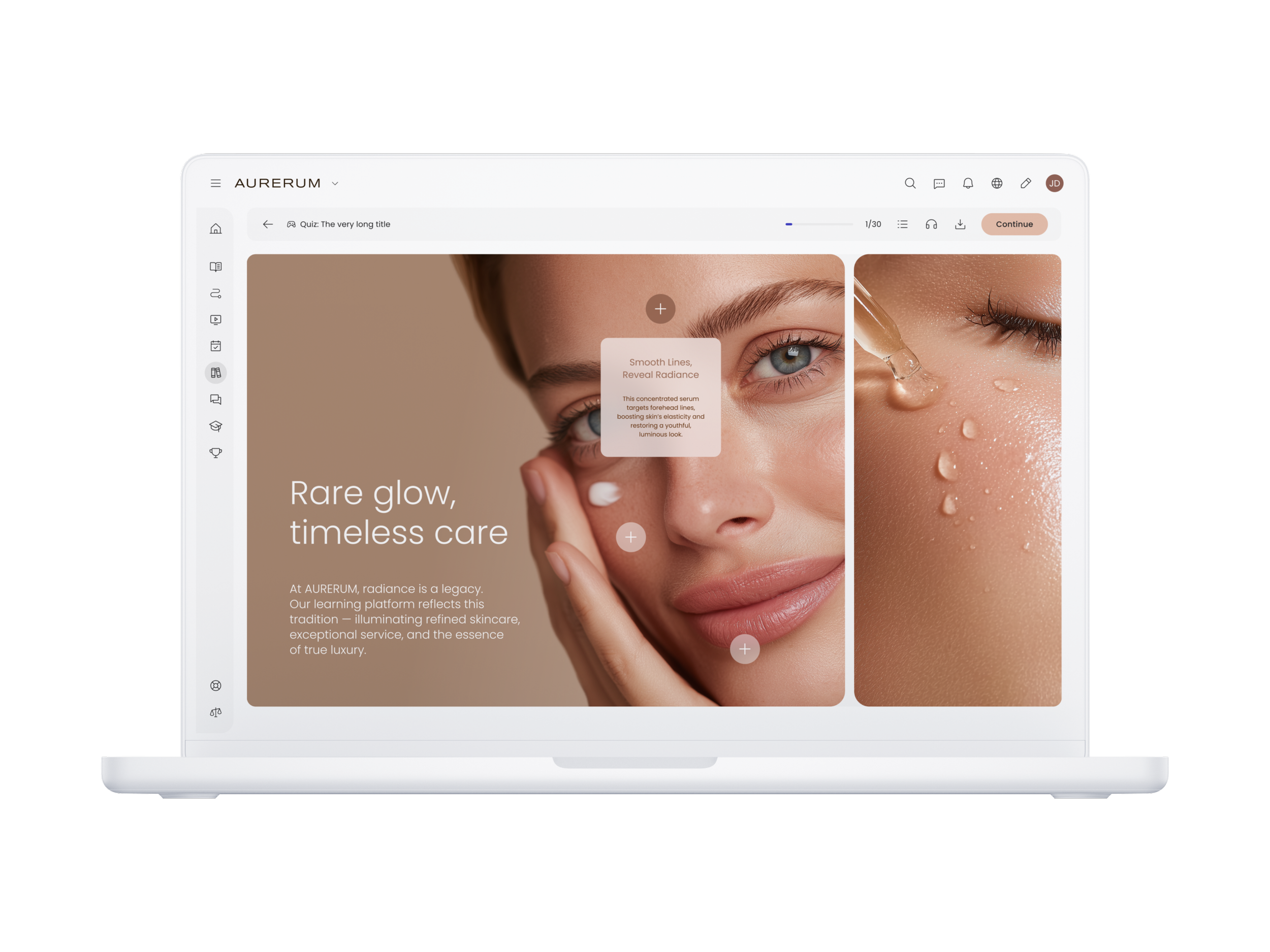
1. Build foundational knowledge through online learning before real-world application
Digital learning and online training programs should introduce key concepts with enough clarity and depth so employees feel prepared before applying skills in real scenarios.
The first role of blended learning is to strengthen understanding early in the process. Training today often includes a mix of product knowledge, soft skills, problem-solving, and customer interaction, so learners need more than static content to build confidence.
This is where e-learning platforms and mobile learning solutions play a critical role. Features such as video-based learning, interactive content, microlearning modules, assessments, and personalized learning paths allow organizations to create training that is engaging, flexible, and easy to access anytime.
Effective online training modules focus on clarity and engagement rather than overwhelming learners with text. Visual demonstrations, real-world examples, and scenario-based explanations help learners understand not only what to do, but also why it matters. This approach improves both knowledge retention and learner engagement.
This method is especially valuable in modern workplaces where employees need to combine knowledge with communication and decision-making skills. Training should also introduce the tone, expectations, and practical application of what is being learned.
The digital phase should prepare learners for hands-on experience. For example, an employee can complete a short e-learning course, answer scenario-based questions, and review guided content before participating in in-person training or coaching sessions. This ensures they arrive ready to apply their knowledge.
This sequence improves the quality of learning interactions. Instead of focusing on basic explanations, trainers and managers can focus on skill refinement, critical thinking, and performance improvement.
To strengthen your online learning strategy, consider the following:
Use video-based training modules to introduce key topics and concepts
Create short microlearning paths focused on specific skills or knowledge areas
Include interactive assessments and quizzes to reinforce understanding
Design training as preparation for hands-on learning and coaching sessions
Align content with real-world application to improve employee performance and productivity
The online phase is most effective when it builds readiness. Strong digital learning programs ensure that employees enter real-world situations with confidence, clear understanding, and the ability to apply what they have learned effectively.
2. Reinforce learning through hands-on practice and real-world application
Once the digital learning phase is complete, the workplace becomes the environment where employees validate and apply what they have learned through hands-on training and experiential learning.
Training should never remain theoretical. Employees need opportunities to interact with real tasks, tools, or scenarios to fully understand how knowledge translates into action. This is why blended learning programs are highly effective, combining online learning with practical experience to improve skill development.
Modern learning management systems (LMS) and training platforms support this approach by integrating in-person training sessions, workshops, and guided practice alongside digital modules. This ensures that learning is not only absorbed but also applied in meaningful ways.
This stage is where understanding becomes measurable. After completing an e-learning course, employees can participate in interactive training sessions where they apply concepts, compare different approaches, and explain their reasoning to a trainer or manager.
That process is critical. It is one thing to recall information from a module. It is another to recognize when and how to apply it in real situations. Applied learning and active recall strengthen both confidence and long-term retention.
This phase also helps develop communication skills and professional confidence. Training should evaluate not only whether employees know the correct answer, but also whether they can explain it clearly and effectively in real scenarios. Strong communication is essential for improving customer experience, team collaboration, and workplace performance.
Organizations can make this stage engaging and impactful by incorporating structured activities such as:
Practice tasks that simulate real-world situations and challenges
Guided discussions where employees explain concepts in their own words
Comparison exercises to improve decision-making and critical thinking
Role-playing scenarios to strengthen communication and problem-solving skills
Feedback sessions focused on both knowledge and delivery
The practical phase gives online training its real value. When employees can confidently apply what they have learned and communicate it effectively, training moves beyond completion and becomes true workplace readiness and performance improvement.

3. Develop decision-making skills through customer personas and real-world scenarios
Build customer personas and learner profiles through digital learning, then ask teams to apply their knowledge in real situations using logic, empathy, and communication skills.
One of the most valuable aspects of modern employee training programs is the ability to combine analytical thinking with human interaction. In many roles, employees must balance technical knowledge with understanding customer needs, preferences, and expectations. This makes scenario-based training essential.
A strong blended learning strategy begins with digital personas. Using e-learning platforms, organizations can create realistic profiles that reflect common situations employees face. Features such as branching scenarios, interactive quizzes, video-based learning, and personalized learning paths allow learners to explore different outcomes based on their decisions.
During the online training phase, employees learn how each persona thinks and behaves. They explore key questions such as what matters most to the individual, what challenges may arise, and how to respond effectively. This builds stronger problem-solving skills, emotional intelligence, and customer-focused thinking.
The next step is applying that knowledge through hands-on training and real-world practice. Employees can be given a scenario and asked to recommend a solution, explain their reasoning, and compare alternative approaches. This helps transform knowledge into practical skills and workplace performance.
This approach shifts training from simple memorization to applied learning and skill development. Employees begin to understand that effective decisions come from observation, listening, and thoughtful responses rather than repeating information.
It also strengthens communication and personalization skills, which are critical for improving customer experience and engagement. A strong recommendation or solution should feel tailored, clear, and confident while still demonstrating expertise.
To implement this effectively, organizations can:
Create digital personas and scenario-based training modules based on real situations
Use branching simulations to test decision-making and adaptability
Transition into live training sessions or role-playing exercises for real-world application
Evaluate both decision quality and communication effectiveness
Provide feedback to improve critical thinking and problem-solving skills
A well-designed persona-based training approach teaches more than task completion. It builds the ability to translate knowledge into actions that feel thoughtful, relevant, and aligned with real-world needs, which is essential for long-term employee performance and business success.
4. Enhance learning through interactive activities and social learning
Training becomes more effective when learners actively participate. Instead of relying only on passive content, organizations can improve outcomes by incorporating interactive learning activities, experiential learning, and social learning strategies.
One of the key opportunities in modern employee training and development is moving beyond static formats and encouraging learners to engage with content in a more dynamic way. Active learning techniques help employees better understand concepts by connecting knowledge to real experiences.
With the support of mobile learning platforms and digital learning tools, organizations can design simple activities that encourage participation and reflection. Features such as user-generated content, video sharing, collaboration tools, and learning communities make it easier to connect learning with real-world experiences.
For example, employees can complete a short task, test a concept in practice, or observe a real situation, then share a brief insight or reflection within the learning platform. This process reinforces knowledge retention, engagement, and practical understanding.
The goal is not to add complexity, but to create a meaningful connection between learning and experience. When individuals reflect on what they have observed or applied, their understanding becomes more concrete and easier to communicate in real situations.
Social learning adds another important layer. When employees share insights, ideas, or short updates, learning becomes collaborative and continuous. Teams benefit from different perspectives, which strengthens knowledge sharing, peer learning, and team collaboration.
To implement this approach effectively, organizations can:
Design short interactive learning activities linked to key training topics
Encourage learners to share quick reflections or insights instead of long reports
Use mobile learning tools to make participation easy and accessible
Build collaborative learning environments that support peer interaction
Maintain a clear purpose to align activities with business goals and training outcomes
This approach matters because learning is most effective when it is experienced, shared, and applied. By combining experiential learning with social learning, organizations can create more engaging and impactful training programs that improve both understanding and performance.
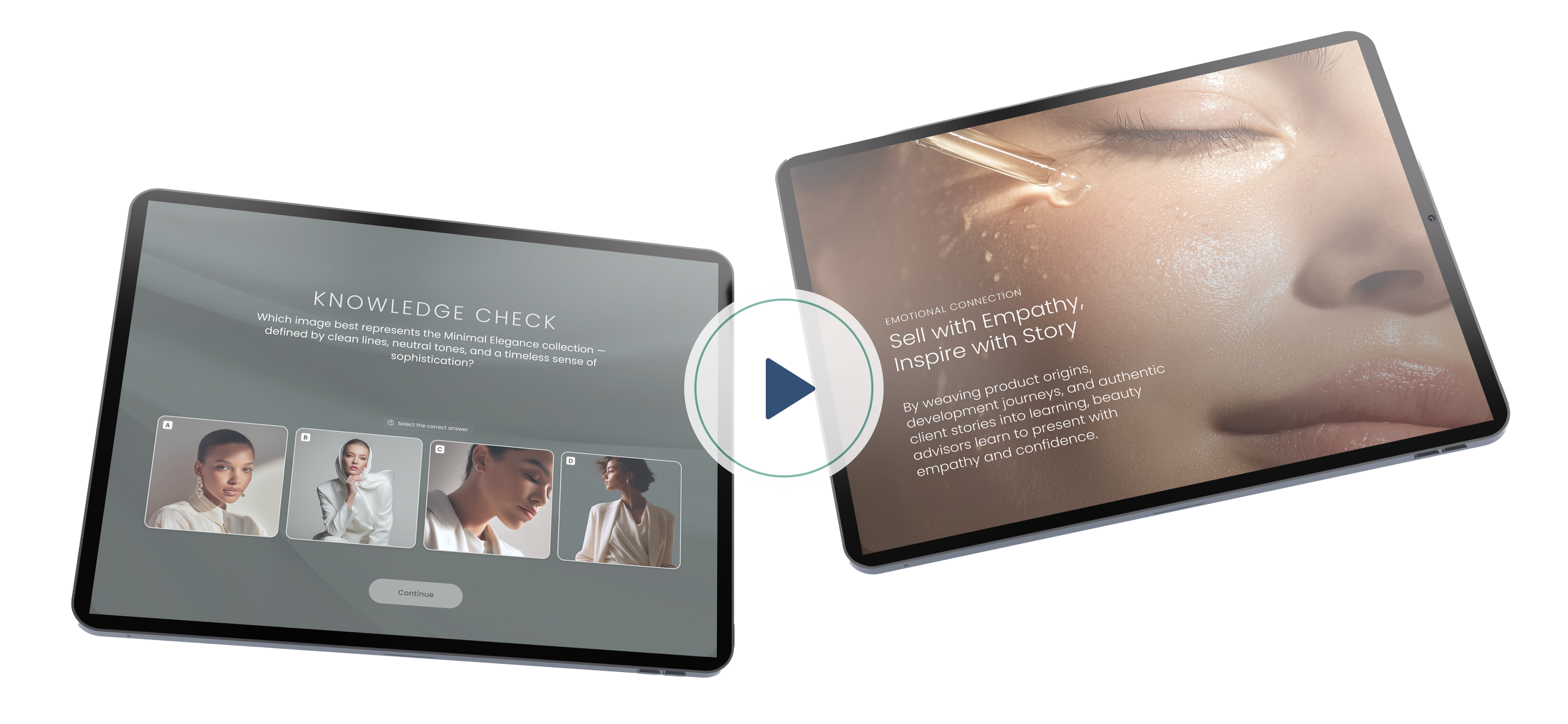
5. Strengthen workplace performance through coaching and guided practice
The final step in blended learning programs is live coaching. While digital training can convey knowledge, simulate scenarios, and build understanding, true skill mastery depends on in-person guidance, observation, and feedback.
Modern employee development strategies combine online learning, hands-on practice, and coaching sessions to ensure knowledge translates into confident action. Coaching reinforces not only what employees know, but also how they communicate, behave, and deliver service in real-world situations.
Learning management systems and training platforms support this by providing visibility for managers, structured coaching prompts, video feedback, and mobile access, creating a continuous learning journey rather than a one-time intervention.
Effective coaching can be anchored with motivational cues or behavioral prompts. Short, actionable reminders about focus, precision, empathy, or professionalism can serve as starting points for guided practice. The goal is to connect mindset with performance and encourage employees to demonstrate knowledge through behavior and presence.
Managers can frame coaching sessions by asking:
How does focus or precision show up during a task?
How can confidence be conveyed while explaining a product or solution?
How can listening and responsiveness improve client or team interactions?
When employees have completed digital modules and hands-on practice, coaching can emphasize delivery, tone, posture, communication style, and timing. These subtle factors often determine whether expertise feels compelling and professional or simply functional.
To implement effective coaching in blended learning programs:
Use short, clear prompts or behavioral cues to guide coaching sessions
Link coaching to specific skills, tasks, or workplace behaviors
Provide feedback on delivery and interaction after online and practical preparation
Schedule regular follow-up sessions to reinforce learning and build habit
Integrate coaching into an ongoing employee development and performance improvement plan
Coaching adds the human element to blended learning programs. It ensures that knowledge gained online and applied in practice is embodied in confident, professional behavior. By combining digital training, hands-on experience, and guided coaching, organizations can improve employee performance, service quality, and overall workplace effectiveness.
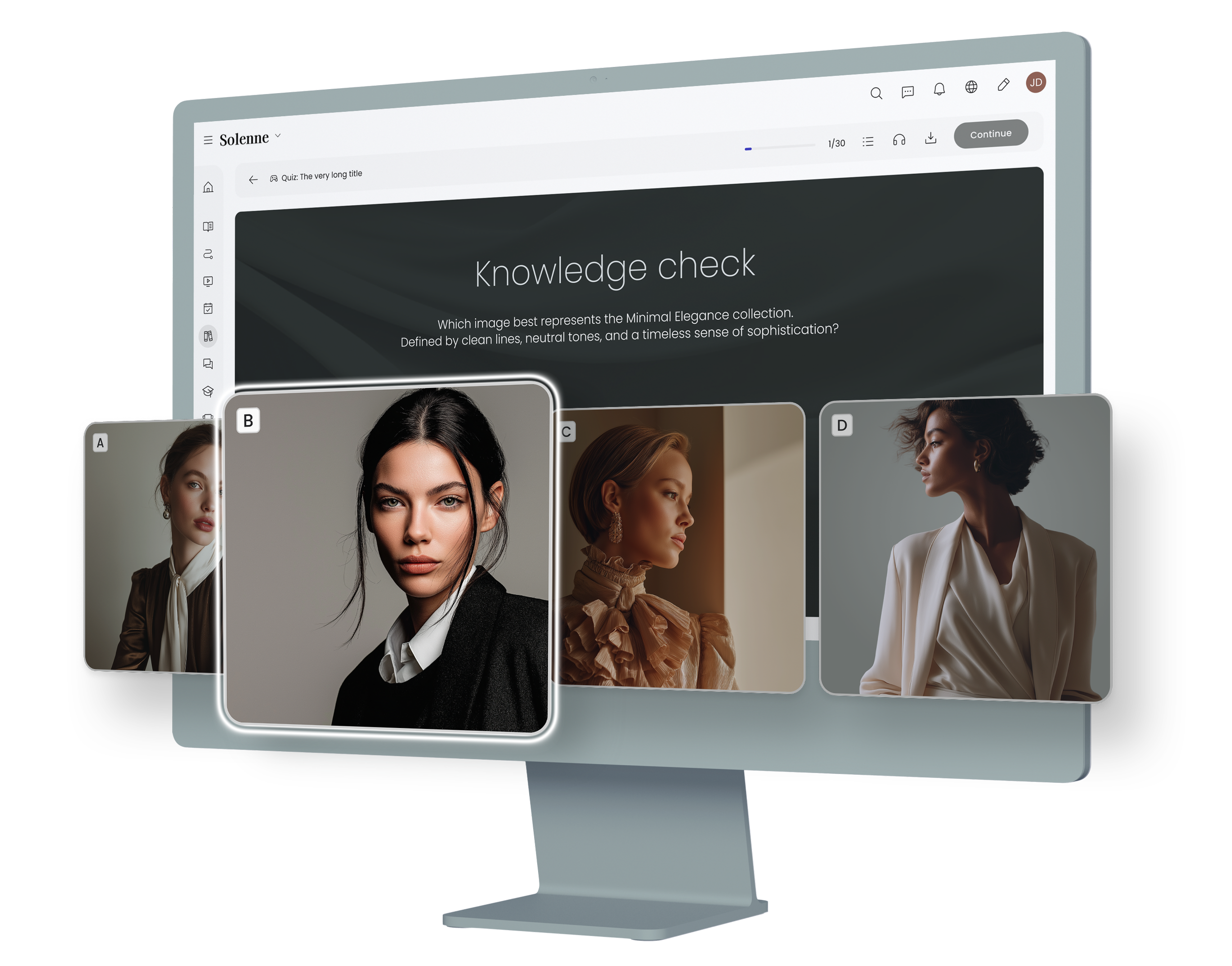
Why blended learning works for modern employee development
Blended learning is highly effective because it addresses multiple aspects of workplace skill development at once. Employees need both technical knowledge and the ability to apply it confidently, communicate effectively, and deliver high-quality experiences in real-world settings.
The most effective training programs are neither fully digital nor fully in-person. They start with online learning modules, interactive content, and scenario-based exercises, then move into hands-on practice, guided application, collaborative exercises, and coaching sessions that turn knowledge into practical skills and behaviors.
Modern learning platforms and LMS solutions support this blended approach by providing mobile access, video learning, branching scenarios, personalized learning paths, social learning features, event support, and performance tracking. These tools make training more engaging, measurable, and adaptable to different industries and workplace environments.
Blended learning also ensures that digital and in-person components complement each other. Employees gain precision and technical understanding through online training while practical exercises and coaching develop confidence, communication, and decision-making skills. This combination improves knowledge retention, employee performance, and customer or client experience.
By integrating multiple learning methods into a cohesive program, organizations can create training solutions that are efficient, engaging, and impactful. Blended learning allows teams to develop expertise while maintaining the human, professional, and contextual skills necessary for success in any industry.