
Gamification Ideas for Employee Training and Engagement
How challenges, badges, and scenario-based activities enhance employee learning
Modern training programs often struggle because employees are asked to remember procedures, product details, or service protocols through passive formats that are easily forgotten. To improve retention and engagement, gamification and interactive learning techniques can turn knowledge into practical skills and real-world performance.
When designed thoughtfully, mobile challenges, scenario-based exercises, quizzes, branching simulations, and recognition systems make learning more engaging, memorable, and actionable. Gamification encourages employees to actively participate, apply what they learn, and track their progress in a structured way.
The goal of gamification is not simply to make learning fun. It is to make training more effective, social, and connected to workplace outcomes, so employees can recall information quickly, apply it with confidence, and translate knowledge into professional performance.
Best practices for gamified learning programs:
Use mobile challenges and microlearning missions that fit into the daily workflow
Incorporate peer collaboration and community tasks to increase engagement and motivation
Design branching scenarios and role-play exercises to teach critical decision-making and workplace procedures
Provide recognition through badges, points, or leaderboards to reward participation and achievement
Track progress with data-driven feedback loops that measure learning impact and reinforce knowledge application
By combining interactive challenges, social engagement, and performance tracking, organizations can turn routine training into a premium learning experience that improves knowledge retention, employee confidence, and overall workplace performance.

1. Mobile learning missions that fit the workflow
Use mobile learning, micro-missions, and push notifications to turn every new initiative, procedure, or skill update into a practical and immediate learning experience.
The first gamification strategy is simple but effective. Break larger topics into short, focused mobile missions that employees can complete during their regular workflow, between tasks, or in brief moments of downtime.
This approach works well in fast-paced industries where employees need to retain product knowledge, technical details, or procedural skills while staying responsive to real-world demands. Modern learning platforms and LMS tools support mobile learning, offline access, push notifications, microlearning units, and learner calendars to keep content accessible, practical, and engaging.
Instead of assigning a long, single training module, organizations can create a mobile mission with several small steps. For example:
Introduce a new process or procedure
Explain critical features or technical points
Demonstrate best practices or workflow applications
Present a scenario or common challenge
Reinforce the learning with a practical task
The gamification element comes from progression, pacing, and recognition. Employees see a clear challenge, complete one step at a time, unlock the next task, and receive feedback or recognition for completion. This structure encourages consistency and engagement without disrupting daily work routines.
Best practices for mobile learning missions:
Break learning into small, actionable tasks tied to real-world application
Use push notifications to create engagement and remind learners to complete tasks
Keep content visual, concise, and easy to apply immediately
Design missions to create momentum, focus, and rhythm rather than competition
Ensure learning aligns with organizational goals and workflow needs
When implemented effectively, mobile learning missions allow employees to absorb knowledge in context, reinforce critical skills, and apply learning at the moment it matters most.
2. Community challenges that leverage peer collaboration
Use social learning, discussion boards, and collaborative challenges to engage employees and turn peer interaction into a powerful learning driver.
Modern workplaces benefit when employees create, share, and evaluate content, rather than passively consuming information. Community-based challenges encourage deeper processing, accountability, and knowledge reinforcement while building a sense of shared purpose and momentum.
Learning platforms and LMS tools often include social features, branching communities, and collaborative spaces, which allow organizations to run challenges in a structured but interactive environment. This transforms training from a one-way broadcast into a dynamic, participatory experience.
Examples of community-based gamification activities:
Ask employees to submit short videos, explanations, or demonstrations of a new process or skill
Encourage peer feedback and recognition for clarity, accuracy, and creativity
Use branching communities to tailor challenges for different teams, departments, or regions while maintaining a consistent framework
Focus recognition on quality and thoughtful contribution, not volume or frequency
When employees actively participate and share their work, learning becomes visible, social, and ongoing. Peer examples create inspiration, reinforce standards, and encourage best practices, making the training culture stronger and more connected.
Best practices for community challenges:
Align challenges with real-world tasks or new initiatives
Keep submissions short, focused, and relevant to workplace application
Encourage peer recognition and feedback to reinforce engagement and accountability
Curate challenges to maintain professional tone and alignment with organizational values
When executed effectively, community challenges make learning a living, collaborative culture rather than a one-time event, increasing knowledge retention, engagement, and workplace performance.
3. Branching scenarios that develop decision-making skills
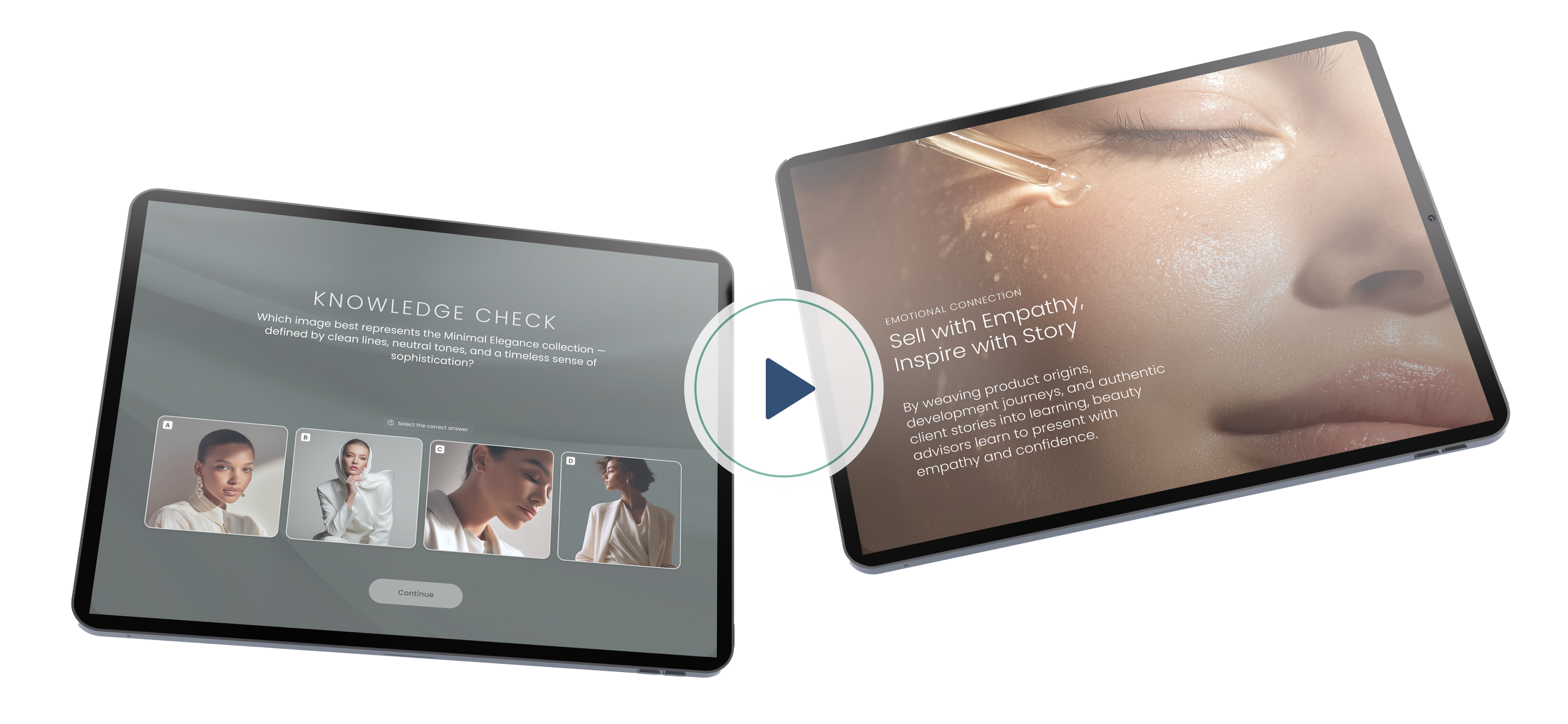
Use scenario-based exercises, interactive quizzes, and branching simulations to help employees practice the critical moments that define workplace performance.
Effective gamification goes beyond memorization. It trains judgment, situational awareness, and professional decision-making. In many industries, employees face situations where tone, communication, and problem-solving determine outcomes. Scenario-based learning allows staff to practice these skills in a controlled, interactive environment.
Modern learning platforms and LMS tools support branching paths, video assessments, interactive quizzes, hotspots, and decision points. Employees can navigate realistic situations and see how different choices affect results, building confidence, skill, and adaptability.
Example approach for branching scenarios:
Develop missions based on realistic workplace challenges instead of abstract theory
Use branching paths to show that outcomes depend on employee judgment and choice
Include interactive quizzes or decision points to reinforce correct reasoning and responses
Add video responses or role-play tasks to assess confidence, communication, and presentation skills
Keep modules concise, focused, and relevant to daily workflows
Design experiences to train problem-solving, professional behavior, and situational intelligence
When implemented effectively, branching scenarios turn knowledge into actionable skills. Employees rehearse decision-making, practice responses, and develop confidence, making training both engaging and highly practical for real-world application.
4. Recognition through badges, leaderboards, and status markers
Use prestige-based recognition to motivate employees, reinforce mastery, and encourage consistent performance without creating distractions or unnecessary competition.
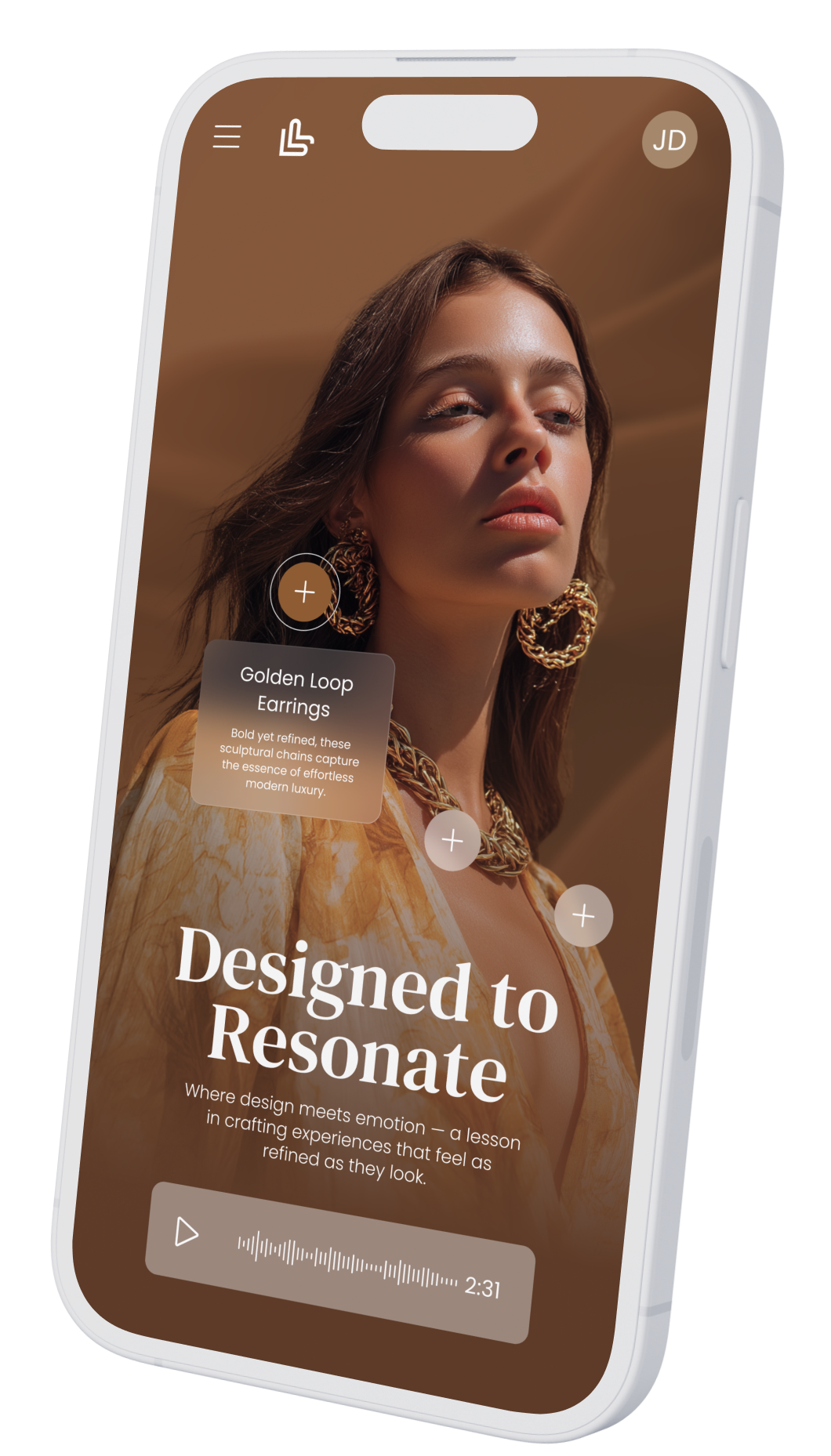
Recognition works best when it is meaningful, visible, and tied to real outcomes. Badges, leaderboards, and status markers should highlight skill achievement, task completion, or demonstrated competence, rather than acting as superficial rewards.
Modern learning platforms and LMS tools support recognition through progress tracking, learning paths, social sharing, and manager dashboards. This allows organizations to spotlight high performers, reward mastery, and provide coaching insights.
Best practices for recognition gamification:
Award badges for mastering skills, completing key tasks, or demonstrating quality work
Build leaderboards around meaningful performance metrics, such as project completion, scenario accuracy, or skill proficiency
Maintain a refined, professional visual style consistent with the brand or organizational culture
Let managers leverage recognition as a coaching and engagement tool, not just a public ranking
Focus recognition on expertise, confidence, and execution, rather than sheer activity or points
When designed thoughtfully, recognition-based gamification reinforces good behavior, motivates employees, and creates a culture of continuous improvement and skill mastery without undermining professionalism.
5. Data-driven game loops that improve rollout and performance
Use analytics, reporting, and notifications to ensure gamified learning drives real outcomes, not just engagement. A successful gamification strategy relies on visibility into participation, skill mastery, and readiness.
The Learning Lab LMS provides group dashboards, performance tracking, notifications, and reporting features that allow managers to monitor progress, identify gaps, and make data-informed adjustments.
This creates repeatable game loops around real priorities. For example, a team can complete a learning mission in The Learning Lab LMS, review quiz performance, receive targeted reminders, and adapt the next activity based on results. This approach ensures that learning stays agile, timely, and relevant, even when content evolves rapidly.
Group reporting in Learning Lab also helps organizations manage complexity across multiple teams, departments, or partner networks. Managers can see who has completed training, who excels in scenarios, and who needs reinforcement. By linking gamification to performance metrics and operational goals, training becomes a tool for consistency, skill development, and improved outcomes.
Track mission completion and quiz results by team or region in Learning Lab
Use notifications and reporting to boost engagement and participation
Adjust missions and challenges based on learner performance
Connect learning to rollout readiness and business objectives
The Learning Lab ensures that every challenge, badge, and mission contributes to better performance, faster skill adoption, and measurable results.
Modern workplaces are evolving because people expect learning experiences that reflect how they work and live. Teams need skills that combine knowledge, performance, and confidence, and that kind of development cannot come from static, one-size-fits-all training.
Gamification provides a smarter approach when it is designed thoughtfully. Mobile learning missions, community challenges, branching scenarios, prestige-based recognition, and data-driven game loops can make learning more engaging, social, and results-oriented without compromising professionalism or quality.
That is why The Learning Lab is an ideal platform for modern learning programs. Its features include mobile access, interactive video content, social learning, branching paths, structured learning sequences, notifications, reporting, and advanced content creation, enabling teams to turn knowledge into consistent performance habits.
For organizations that want effective gamified learning, The Learning Lab delivers the structure to scale, the flexibility to stay on brand, and the tools to create impactful, measurable learning experiences.