
How to Train the New Generations in the Workplace
A practical learning and development guide for Gen Z teams and the emerging expectations of Gen Alpha.
The conversation about workplace learning has changed. Younger employees are not asking for more content. They are asking for better learning experiences that feel useful, flexible, personal, and connected to real growth. Current workplace research shows that development opportunities remain one of the strongest reasons younger workers choose and stay with an employer, while career progress is the top reason people engage with learning at work. The same research also shows that young employees want digital learning options, but they do not want to learn alone. They still expect mentorship, guidance, and practical support from managers and peers.
That is the core shift for learning and development teams. Training for new generations is not about replacing people with platforms. It is about designing a system where digital learning gives speed and access, while human interaction gives confidence, context, and belonging. This matters in every sector, and it matters even more in retail excellence, where teams need to learn product knowledge, service tone, operational precision, and emotional intelligence at the same time.
Gen Z has already made this expectation visible. Many younger employees are actively building skills week after week, yet many also feel that managers are too focused on tasks and not focused enough on development. Research also shows a strong demand for mentorship and on the job learning, with 86 percent of Gen Z respondents emphasizing mentorship and guidance, and 88 percent emphasizing practical learning and experience. That means the most effective workplace learning strategy is neither classroom only nor platform only. It is blended, recurring, and clearly connected to progression.
The next wave is even more revealing. Gen Alpha is not yet a full workforce generation, but its learning habits are already visible in education and digital behavior. Parent surveys show strong belief that AI knowledge will be crucial to future education and careers, while separate surveys show that many Gen Alpha children are already using AI tools for fun, learning, and homework support. Broader learning guidance on Gen Z and Gen Alpha also points toward short, visual, gamified, feedback rich experiences, along with personalized pathways and blended learning environments that support exploration and autonomy.
For employers, this is a clear warning and a major opportunity. Training must become more dynamic, more modular, more personal, and more motivating. It should include instalearning moments, audio and video practice, in person workshops, coaching, leaderboards, avatars, badges, and reward systems, but these features should not be cosmetic. They should support real skill building, better performance, and stronger retention.
Train for digital first behavior, but keep human connection at the center
The first rule for training Gen Z is simple. Start where they already live.
Younger employees are used to mobile interfaces, short form content, on demand information, and immediate feedback. Research on younger learning preferences points toward digital, personalized, and blended approaches that combine microlearning, challenge based tasks, progress tracking, and peer interaction. At the same time, workplace research shows that younger workers still want mentorship, guidance, and practical learning, not only access to a platform.
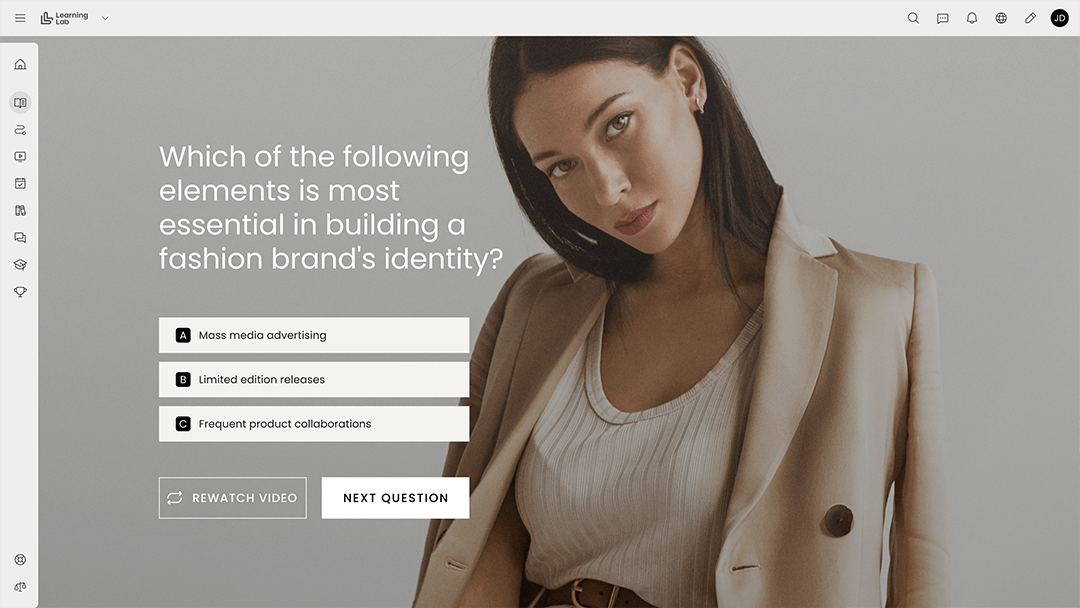
This is why digital first does not mean digital only. In a strong learning and development strategy, the platform becomes the daily learning space, but managers and trainers remain the people who make the learning feel relevant. A short mobile module can explain a product story, a compliance update, or a service principle. An in person session then helps employees practice tone, ask questions, and apply the idea in a real scenario. That combination works because each format does a different job.
This is also where instalearning becomes useful. Instalearning is not a full course. It is a recurring burst of learning that fits naturally into the rhythm of work. It can be a three minute video before a shift, a one minute audio tip on how to handle a difficult customer, a quick product quiz, or a short challenge on the app that asks the learner to identify the best recommendation for a client. The point is not to overload attention. The point is to create learning as a habit.
For Gen Z, this kind of structure feels natural because it mirrors the way information is already consumed. For emerging Gen Alpha expectations, it will feel even more normal, because younger learners are growing up with personalized, visual, and fast feedback environments shaped by digital tools, AI familiarity, and self directed discovery.
A practical digital first learning model should include:
Daily instalearning cards with one message, one action, and one quick check.
Short video lessons for product stories, service standards, and operational updates.
Audio training clips for pronunciation, greeting style, tone of voice, and manager coaching prompts.
In person weekly practice so teams can role play, reflect, and receive feedback.
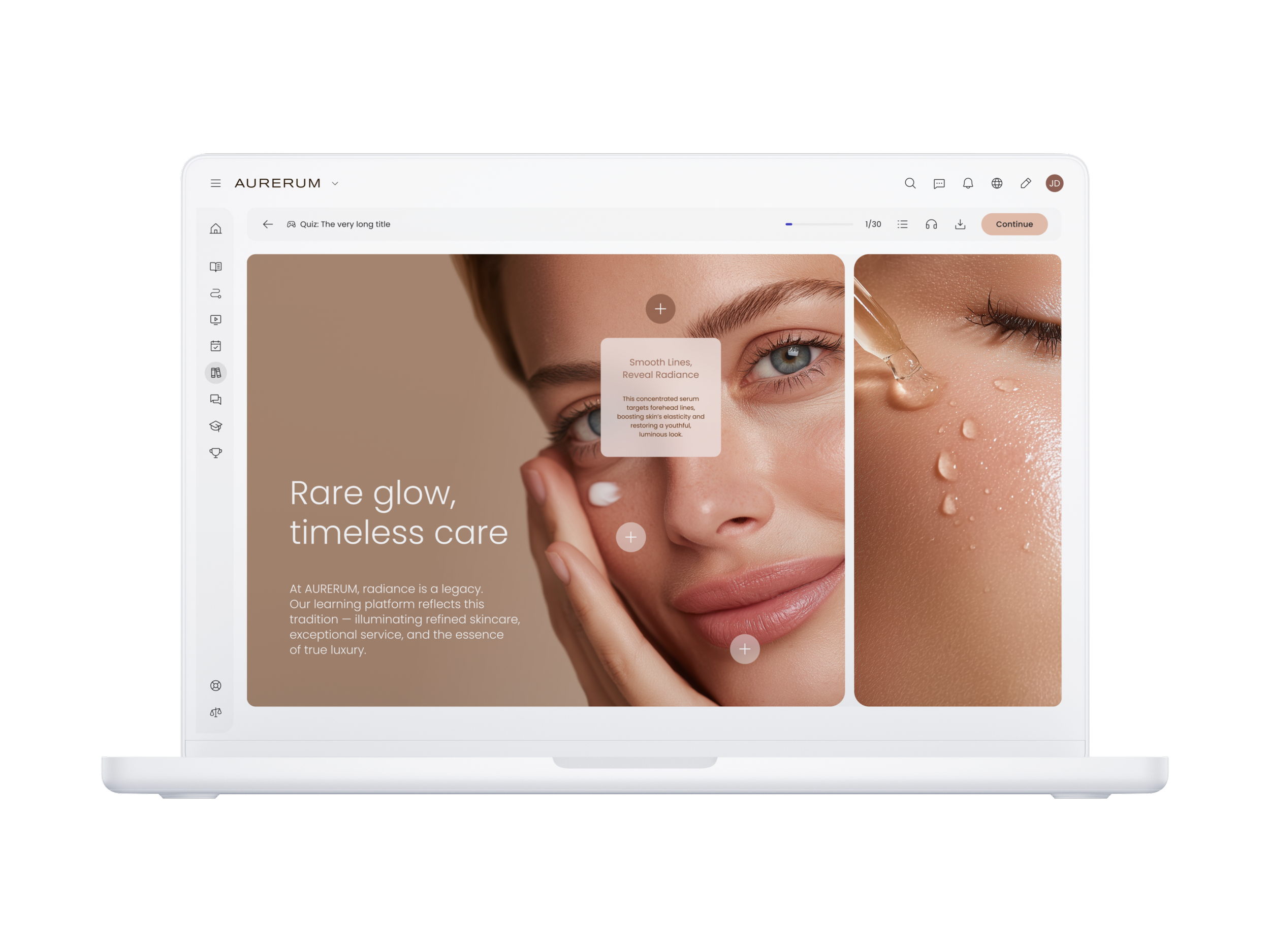
A mobile home screen that shows personal progress, next steps, and recommended learning.
Nudges from managers that connect the digital lesson to the day’s business priority.
What matters is coherence. Employees should feel that the video, the audio, the live workshop, and the coaching conversation all belong to one learning journey. If the platform is lively but the manager is absent, the system feels hollow. If the manager is supportive but the learning tools are outdated, the system feels slow. New generations expect both.
Training the new generations starts with recognizing a basic truth. Digital convenience gets attention, but human connection builds trust. The best workplace learning systems do not choose between platforms and people. They design both to work together.
Make learning feel personal, visible, and rewarding
Younger employees do not respond well to anonymous training libraries.
They want to see where they stand, what comes next, and why a learning task matters to them. Current research shows that personalized learning pathways and adaptive experiences are increasingly important for engaging digital native learners and helping them move at the right pace. Workplace learning research also shows that employees are most motivated when learning is clearly tied to career progress.
This is the strategic role of personalization. In learning and development, personalization is not just adding the learner’s name to a screen. It means creating a path that adapts to role, level, interest, and ambition. A new retail associate should not receive the same learning feed as an experienced supervisor. A visual merchandiser should not follow the same service practice path as a client advisor. A future store manager should see leadership content appear before promotion, not after it.
This is where avatars, badges, prizes, and leaderboards can help, if they are used well. Gamification works when it reinforces progress and effort, not when it turns training into a cartoon. An avatar can help the learner own a profile and track growth. Badges can mark real milestones such as completing onboarding, mastering a product family, or achieving service excellence. Leaderboards can create energy around recurring actions, especially when they recognize improvement, consistency, and collaboration rather than only speed. Small prizes can celebrate meaningful learning behavior, such as completing five instalearning sessions in a row, helping a peer, or scoring highly in a live role play.
The key is to make reward systems feel adult, useful, and connected to work. Recognition should not be random. It should reflect capabilities the business values.
A practical personalized learning design can include:
A role based journey for sales, service, stock, management, and training teams.
A personal avatar and profile that evolve as the learner completes milestones.
Weekly missions linked to real tasks such as greeting practice, product knowledge, or complaint resolution.
Leaderboards based on streaks, consistency, peer support, and quality of completion.
Badges for verified capability, not only for participation.
Small prizes linked to real motivation, such as early access to advanced training, mentoring time, event invitations, or brand experiences.
Smart recommendations that suggest the next lesson based on performance and goals.
A personal dashboard that shows current level, next target, and growth toward a role or promotion.
This model works because it makes learning visible. Visibility matters to Gen Z because development is strongly tied to identity, progress, and employability. It is likely to matter even more for future entrants shaped by digital environments where progress is constantly tracked, surfaced, and personalized.
Recurring actions are especially important. Learning should not depend on one large annual event. It should live in repeated motions such as daily practice, weekly missions, monthly challenges, seasonal refreshers, and quarterly milestones. Repetition builds memory, and visible repetition builds motivation.
Personalized learning is not a luxury feature. It is the structure that helps younger employees stay engaged, see momentum, and believe that training is leading somewhere real. When learning becomes visible, rewarding, and role relevant, participation rises and training starts to feel like progress rather than obligation.
Blend audio, video, live practice, and social learning for real workplace performance
The third rule is that format variety matters.
New generations do not want one learning medium used over and over again. They respond better when the learning experience mixes audio, video, interaction, practice, reflection, and human exchange. Guidance on Gen Z and Gen Alpha learning preferences points toward short visual experiences, gamified interaction, feedback rich environments, and blended learning that supports both independence and collaboration.
For workplace training, this means every skill should be matched with the right format. Video is excellent for showing tone, product detail, body language, process steps, and examples of good performance. Audio is effective for reinforcement, pronunciation, memory cues, and short coaching messages that can be replayed during the day. In person training is still essential for role play, trust building, discussion, and applied judgment. Social learning then binds the whole system together by showing employees how peers solve the same challenges.
This blended design is particularly useful in retail excellence. A learner can watch a short video on how to welcome a client, listen to an audio prompt on active listening while commuting, complete an instalearning quiz before the shift, then practice the full conversation in person with a manager. The same learner can later post a reflection, earn points for consistency, and receive a badge for strong application. The path feels rich, but also manageable, because every step is short and purposeful.
One of the biggest mistakes in modern learning is thinking that attention has disappeared. It has not disappeared. It has become selective. Younger workers will focus when the experience feels relevant, dynamic, and clearly worth their time.
A strong blended training plan can include:
Video based training for storytelling, demonstrations, customer scenarios, and role modeling.
Audio learning for daily reminders, service phrases, coaching nudges, and quick revision.
In person labs for role play, peer feedback, difficult conversations, and team calibration.
Live leaderboards during learning campaigns to create momentum without shaming lower performers.
Team based challenges that reward collaboration, not only individual competition.
Monthly learning events where digital badges can be converted into recognition or prizes.
Seasonal campaigns that refresh learning themes as the brand, market, or customer focus changes.
Peer generated content where top performers record short examples for others to learn from.
This approach also supports manager development. Research shows that younger workers want more teaching, mentoring, and guidance from managers than they often receive in reality. A blended system gives managers concrete tools to support that expectation. Instead of inventing development moments from zero, they can use the platform’s videos, audio prompts, quiz results, and challenge themes as starting points for live coaching.
The future also points in this direction. Emerging younger learners are already growing up in environments where AI, visual media, on demand tools, and interactive feedback are normal parts of learning. That means workplace training should be designed now for a generation that expects learning to be flexible, media rich, and immediate, but still values recognition, belonging, and real relationships.
The most effective training for new generations is not more content on more screens. It is a thoughtful blend of media, motivation, and human practice. Video shows. Audio reinforces. Live training transforms. Social learning makes it stick.
The future of workplace learning is personal, recurring, and deeply human
Training the new generations at work is not about chasing trends.
It is about understanding a real shift in learner expectations and designing learning and development systems that respond with intelligence. Younger employees are highly motivated by development, strongly influenced by career progress, comfortable with digital learning, and still deeply interested in mentorship and human connection. That combination should shape every modern training strategy.
The old model no longer holds. Long courses, static platforms, and occasional workshops are not enough for teams that learn in motion. New generations expect learning to fit the pace of work, reflect their personal goals, and reward visible progress. They are used to platforms that recommend, adapt, and respond. They are also used to media that is visual, fast, social, and interactive. Broader guidance on Gen Z and emerging Gen Alpha learning preferences points clearly toward personalized journeys, short bursts of learning, blended formats, and environments that provide frequent feedback and room for exploration. Surveys about younger learners also show rising familiarity with AI and rising expectations that technology should play a meaningful role in future education and career readiness.
For employers, the response should be practical. Build a learning ecosystem rather than a content library. Use instalearning for daily repetition. Use video to demonstrate. Use audio to reinforce. Use in person workshops to practice judgment, communication, and confidence. Use avatars, badges, leaderboards, and prizes to create motivation, but tie those tools to real capability and not empty entertainment. Use recurring actions so learning becomes part of work rather than an interruption to work. Most of all, give managers a visible role in the process, because younger employees do not just want access to learning. They want guidance, interpretation, and recognition from people they trust.
This is the real future of workplace training. Not digital instead of human. Not fun instead of serious. Not speed instead of depth. The strongest learning systems will combine all of these elements in a way that feels coherent, adult, and useful. They will help people grow faster, perform better, and stay longer because the learning experience will finally match the way new generations live, work, and develop.
