
eLearning Ideas That Drive Employee Performance
Performance-Driven eLearning Formats That Deliver Results
Across modern organizations, the eLearning format plays a critical role in how effectively employees apply new skills on the job.
Even the most valuable employee training content fails if it is not delivered in a way that supports knowledge retention, speed to competency, and real-world performance.
Studies consistently show that employees forget up to 70% of new information within 24 hours and nearly 90% within 30 days without reinforcement. High-performing organizations address this challenge by adopting microlearning, mobile learning, and practice-based eLearning formats that fit naturally into the flow of work.
Short, visual, and mobile-first eLearning experiences have been shown to significantly increase engagement and retention. Nano learning can improve knowledge retention by up to 80%, while scenario-based learning drives up to three times more behavior change compared to passive content. In addition, blended learning strategies help improve consistency and on-the-job execution by 35 to 50%.
When employee eLearning reflects real workplace situations and is fast, interactive, and accessible anytime on mobile devices, employees develop skills more quickly. This leads to stronger performance, improved productivity, and a more consistent experience across teams.

Nano Learning: A High-Impact Approach to Improving Employee Performance
Across industries, nano learning has emerged as one of the most effective eLearning strategies for accelerating skill acquisition and improving on-the-job performance.
By delivering short, targeted learning experiences, organizations help employees absorb critical information quickly and apply it with confidence.
Nano learning content, typically delivered in 30 to 90 second learning modules, supports faster knowledge retention while fitting naturally into busy work schedules. These bite-sized learning experiences reduce cognitive overload and make training easier to revisit throughout the workday.
Research indicates that nano learning can improve learning retention by 50 to 80% compared with traditional eLearning courses. In addition, more than half of employees prefer short learning modules that can be completed in under three minutes, reinforcing the shift toward mobile learning and just-in-time training.
Because of its speed and flexibility, nano learning is especially effective for new product knowledge, process updates, compliance reminders, and pre-task refreshers. These moments of learning directly support stronger performance, improved confidence, and faster decision-making at work.
Why Nano Learning Improves Workplace Performance
Increases knowledge retention by 50 to 80% compared with traditional eLearning formats
Ideal for quick updates, procedural reminders, and skills reinforcement
Supports just-in-time learning, with 52% of employees preferring lessons under three minutes
Improves employee readiness by delivering learning at the moment of need
Strengthens performance outcomes by reinforcing critical information before real-world application
Enables scalable employee training that fits seamlessly into daily workflows
Scenario-Based Learning: One of the Most Effective Ways to Change Behavior and Improve Performance
Across industries, scenario-based learning is widely recognized as one of the most powerful employee training methods for driving real behavior change and improving on-the-job performance.
Instead of passively consuming information, employees actively practice decisions, actions, and conversations in realistic work situations.
By immersing learners in real-world scenarios, scenario-based eLearning helps employees develop confidence, judgment, and problem-solving skills before they encounter similar situations at work. This form of experiential learning bridges the gap between knowing and doing.
Research shows that scenario-based learning can improve behavior change by two to three times compared with traditional instruction. It also increases employee confidence by up to 60% in complex or high-pressure interactions and can reduce performance errors by as much as 30%.
When employees repeatedly engage with job-relevant scenarios, such as handling objections, managing difficult conversations, or making critical decisions, their performance improves significantly. This leads to more consistent execution, better outcomes, and stronger overall employee performance.
Why Scenario-Based Learning Improves Workplace Performance
Improves behavior change by two to three times through active practice and decision-making
Increases employee confidence by up to 60% in complex or high-stakes situations
Reduces performance errors by approximately 30%, improving consistency across teams
Strengthens decision-making skills through guided, realistic practice
Reinforces critical processes, communication skills, and workplace standards
Creates a safe and engaging learning environment where employees can learn from mistakes without risk

Rich Multimedia Demos: A Powerful Way to Build Product Knowledge and Improve Performance
Across industries, rich multimedia learning has become one of the most effective approaches for building deep product knowledge and improving employee performance.
Formats such as training videos, 3D animations, and motion graphics help employees understand complex information faster and apply it more accurately in real work situations.
Visual learning has been shown to increase comprehension by up to 400%, making technical concepts, processes, and product features easier to grasp. Product training videos also improve memory recall by up to 55%, supporting clearer communication, stronger explanations, and more confident interactions with customers or stakeholders. In many organizations, clearer product understanding contributes to fewer errors and lower return or rework rates, with reductions of up to 20%.
Whether explaining technical specifications, demonstrating proper usage, or showcasing best practices, multimedia demos bring learning content to life. By showing information in action rather than describing it only in text, organizations accelerate skill development, improve consistency, and support better performance outcomes.
Why Rich Multimedia Demos Improve Workplace Performance
Increases learning comprehension by up to 400% through visual learning
Improves product knowledge retention by 55% using video-based training
Reduces errors and returns by up to 20% through clearer understanding and expectations
Ideal for explaining complex concepts, processes, and product features
Strengthens communication and storytelling by showing information in motion
Helps new hires and cross-functional teams learn faster and more consistently
Mobile-First Learning: The Fastest Way to Train Employees and Boost Performance
In today’s workplaces, mobile-first learning is essential for improving employee performance, accelerating onboarding, and ensuring consistent application of skills.
With more employees accessing training on their smartphones, learning must be accessible anytime and anywhere.
Mobile learning formats increase training completion rates by up to 45%, making them highly effective for organizations with distributed teams, shift workers, or employees who are frequently on the move. By delivering learning in short, interactive modules, mobile-first approaches help employees retain information, apply it immediately, and perform more confidently on the job.
When training is mobile-friendly, learning becomes practical, timely, and actionable. Employees can refresh their knowledge before critical tasks, reducing errors, improving consistency, and accelerating time-to-productivity.
Why Mobile-First Learning Improves Employee Performance
Supports 78% of employees who prefer learning on mobile devices
Increases training completion rates by up to 45%
Ideal for distributed teams, shift workers, seasonal staff, and remote employees
Enables on-demand refreshers before important tasks or client interactions
Reduces onboarding time and accelerates time-to-productivity
Improves consistency and accuracy of knowledge across teams and locations
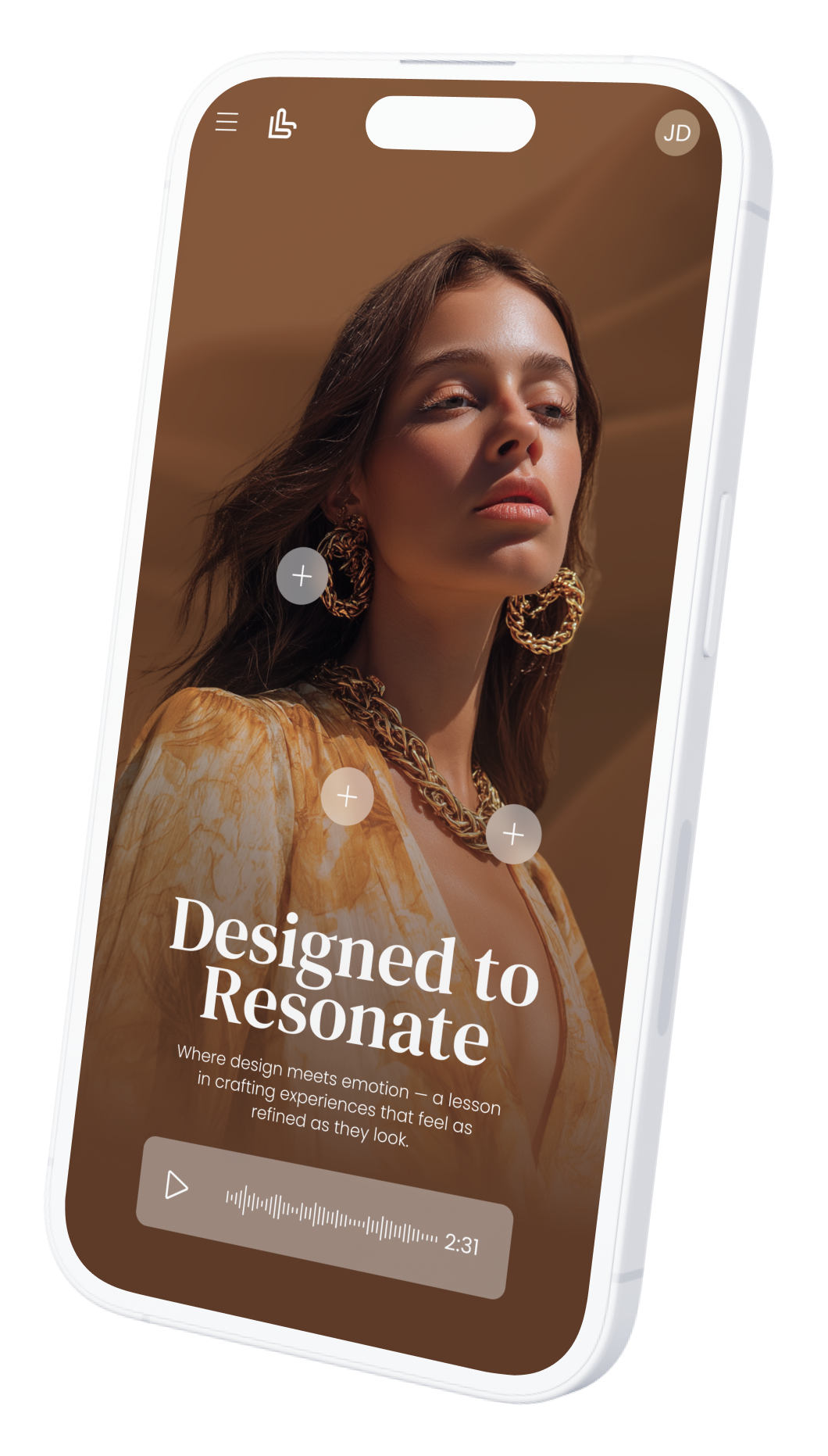
InstaLearn Carousels: Social-Style Microlearning That Boosts Employee Performance
Social-style microlearning is an innovative way to deliver fast, visual knowledge to employees across industries.
InstaLearn carousels use a swipe-based, visual-first design inspired by social media, making learning intuitive, engaging, and easy to consume.
This microlearning format increases engagement by up to 300% compared with traditional long modules and improves knowledge retention by up to 70%. Short, interactive slides allow employees to absorb key concepts quickly and apply them immediately in their work.
InstaLearn carousels are ideal for delivering new process updates, skills refreshers, best practices, or company values. By presenting information in small, visual chunks, microlearning fits seamlessly into employees’ workflows, supports frequent reinforcement, and reduces learning friction.
When training is fast, visual, and mobile-friendly, employees gain confidence, strengthen skills, and improve on-the-job performance.
Why InstaLearn Carousels Improve Employee Performance
Increases engagement by up to 300% compared with traditional eLearning modules
Boosts knowledge retention by up to 70% through visual microlearning
Ideal for new updates, skills refreshers, best practices, and company values
Designed for short, mobile-friendly consumption that fits daily workflows
Reinforces learning without extra effort, enhancing confidence and performance outcomes
Mirrors familiar social media experiences, making adoption fast and natural

Blended Learning: A Powerful Way to Turn Training Into Real Performance
Blended learning is one of the most effective employee training strategies for turning knowledge into measurable behavior and performance outcomes.
By combining digital learning modules with short, structured hands-on practice, organizations help employees apply new skills immediately and consistently.
Research shows that blended learning improves skill transfer by 50 to 60 percent when digital training is reinforced with real-world practice. Teams that pair microlearning modules with brief collaborative sessions or check-ins consistently see measurable improvements in performance, confidence, and productivity.
When learning moves seamlessly from screen to workplace, habits form, behaviors stick, and employee performance accelerates. Blended learning ensures that knowledge is not just acquired but actively applied, supporting faster onboarding, stronger routines, and higher-quality results.
Why Blended Learning Improves Workplace Performance
Improves skill transfer by 50 to 60% when digital learning is reinforced with real-world practice
Teams that combine microlearning with short collaborative sessions see measurable improvements in performance and productivity
Enables immediate application, turning what is learned into action on the same day
Strengthens workplace routines, processes, and communication skills
Ideal for new procedures, critical task training, and high-stakes scenarios
Creates consistent behaviors and habits across teams, departments, and locations
Video Quizzes: Engaging, Interactive Learning That Strengthens Employee Knowledge
Video quizzes are a highly effective employee training method for reinforcing knowledge, skills, and best practices.
By combining short, focused video clips with interactive questions, this format creates an engaging, hands-on learning experience that drives knowledge retention and behavior change.
Studies show that video quizzes can increase engagement by up to four times compared with traditional text-based quizzes and improve knowledge retention by 35 to 50%. This makes them ideal for demonstrating processes, techniques, product features, or service standards that are difficult to convey with text alone.
When employees learn through realistic visuals and receive immediate feedback, understanding deepens, correct behaviors are reinforced, and performance on the job improves.
Why Video Quizzes Improve Workplace Performance
Boosts engagement by up to four times compared with traditional quizzes
Increases knowledge retention by 35 to 50% through video and interactive questions
Ideal for demonstrating technical processes, procedures, and best practices
Helps employees visualize tasks or details that are hard to experience during training
Reduces errors and reinforces correct techniques and behaviors
Supports fast, hands-on learning that accelerates confidence and performance
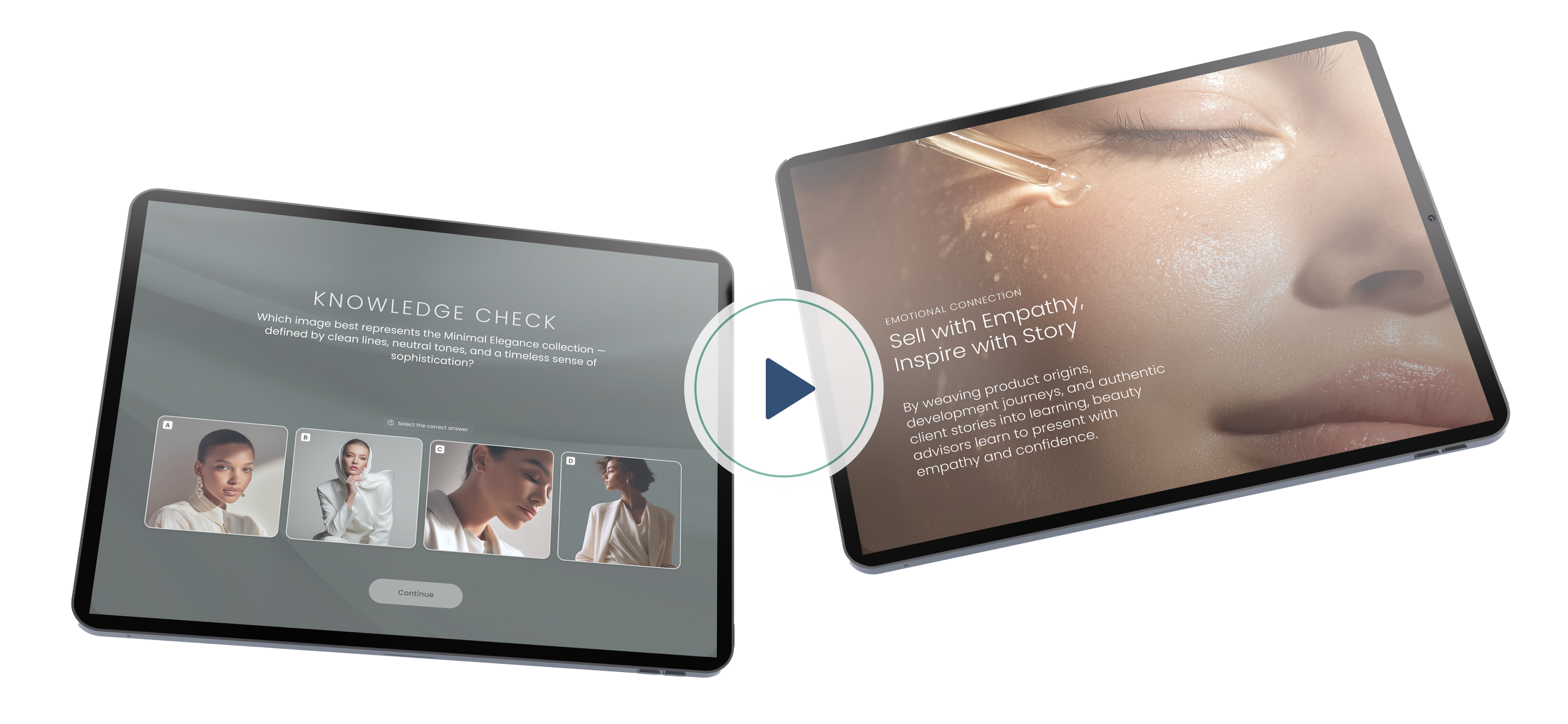
Branching Scenarios: A Smart Way to Train Decision-Making and Improve Performance
Branching scenarios are a highly effective employee training method for developing strong decision-making skills and improving on-the-job performance.
By placing learners in realistic situations where each choice leads to a different outcome, employees can practice problem-solving in a safe, controlled environment.
This immersive learning format improves problem-solving accuracy by up to 40% and reduces errors or mistakes by 25 to 30%. Employees gain hands-on experience with complex scenarios, allowing them to see the consequences of their decisions without real-world risk.
When employees practice critical paths and receive immediate feedback, confidence increases, behaviors align with best practices, and performance improves across tasks and responsibilities.
Why Branching Scenarios Improve Workplace Performance
Increases problem-solving accuracy by up to 40% through realistic decision pathways
Reduces mistakes and errors by 25 to 30%, improving consistency and quality
Ideal for complex workflows, high-stakes tasks, conflict resolution, and decision-based processes
Provides a safe environment to practice critical decisions with instant feedback
Builds confidence for high-pressure or high-value situations
Reinforces process adherence, best practices, and critical thinking skills
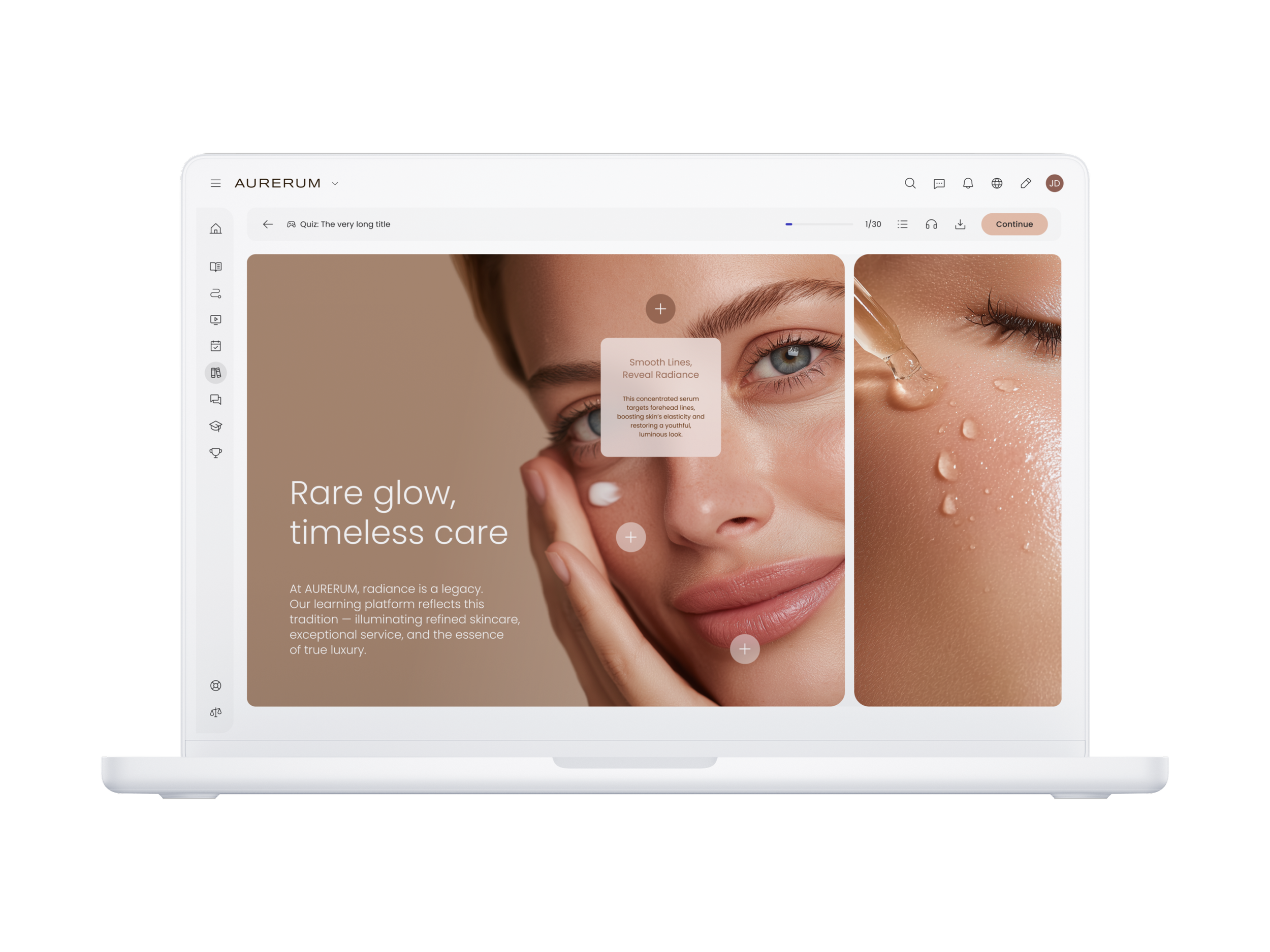
Conclusion: The Future of Workplace Performance Is Fast, Visual, and Practice-Driven
Employees perform at their best when training matches the pace, complexity, and real-world demands of their roles.
The most effective learning formats—including nano learning, scenario-based learning, rich multimedia demos, mobile-first modules, social-style microlearning, blended learning, video quizzes, and branching scenarios—consistently deliver higher engagement, stronger knowledge retention, faster skills adoption, and measurable performance improvements.
Organizations that invest in these immersive, visual, and practice-driven learning solutions see employees mastering skills more quickly, gaining confidence in their decision-making, and applying knowledge consistently across teams. This results in significant improvements in productivity, efficiency, service quality, and business outcomes.
The key takeaway is clear: when employee learning is immersive, visual, mobile-friendly, and aligned with real work scenarios, performance accelerates, and business results follow.