
8 Best Practices for Successful Employee Training
Train for Performance: 8 Best Practices for Effective Employee Training
In today’s fast-moving work environment, employee training must keep pace with business demands. It needs to be fast, focused, and performance-driven, equipping employees with the skills they need to succeed in real situations.
Effective professional development combines foundational knowledge with practical application. Employees must not only understand tools, processes, and concepts, but also be able to translate them into meaningful actions in their daily work.
The most impactful training strategies rely on short, engaging learning formats, continuous learning approaches, and clear, relatable storytelling to make content memorable and actionable.
Supported by a modern Learning Management System (LMS), organizations can deliver dynamic digital learning experiences, reinforce knowledge consistently, and directly connect training to workplace performance. This ensures that every employee is prepared to contribute effectively, build confidence, and drive measurable results.
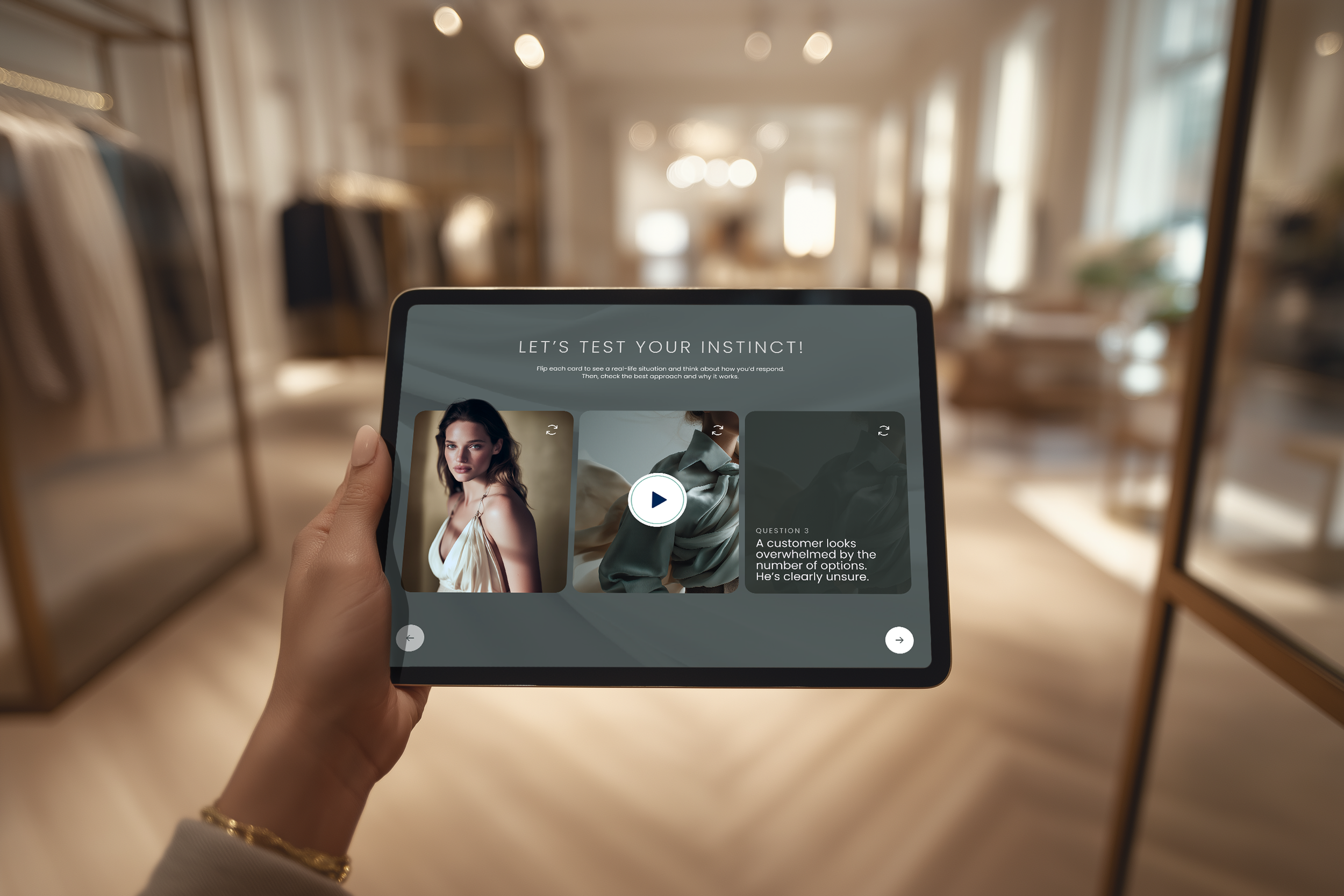
01. Activity-Based Learning: Turning Training into Real-World Skills
In today’s fast-paced environments, effective training must go beyond theory. Activity-based learning focuses on practical application, helping individuals build skills through real experiences rather than passive observation.
Instead of only absorbing information, learners actively participate in tasks such as solving problems, completing simulations, and engaging in real-life scenarios. This hands-on approach strengthens understanding, improves retention, and builds confidence in applying knowledge in real situations.
Supported by modern learning management systems (LMS), organizations can integrate interactive modules, challenges, and scenario-based exercises into everyday learning. The outcome is a more engaged workforce, stronger skill development, and improved overall performance.
Key Benefits of Activity-Based Learning
Learn by Doing
Shift from passive content consumption to hands-on learning through practical exercises and real-world applications.Apply Knowledge in Real Scenarios
Use simulations and case-based activities to mirror real-life situations and decision-making processes.Build Confidence Through Practice
Reinforce understanding by actively applying concepts in tasks, projects, and guided exercises.Increase Engagement and Motivation
Interactive challenges and dynamic content create a more engaging and enjoyable learning experience.Improve Performance Outcomes
Align training activities with real-world goals to enhance productivity, efficiency, and results.Leverage Digital Learning Tools
Utilize LMS platforms, quizzes, and interactive modules to structure and scale activity-based training.Encourage Collaboration
Promote teamwork through group activities, discussions, and peer-to-peer learning opportunities.Strengthen Retention Through Repetition
Consistent practice helps transform knowledge into long-term skills and habits.
Activity-based learning transforms traditional training into a results-driven experience, ensuring learners not only understand concepts but can confidently apply them in real-world situations.
02. The Power of Storytelling: Making Learning More Meaningful and Memorable
In any learning environment, information alone is not enough to create impact. Storytelling in training brings content to life by connecting ideas to real experiences, human perspectives, and meaningful outcomes.
Rather than focusing only on facts or features, storytelling helps learners understand the purpose behind concepts, who they impact, and how they apply in real situations. This approach transforms learning into something relatable, engaging, and easier to remember.
With the support of modern learning management systems (LMS), storytelling can be delivered through videos, case studies, and interactive scenarios. These formats create immersive learning experiences that encourage deeper understanding and stronger emotional connection.
Key Benefits of Storytelling in Learning
Make Concepts More Relatable
Use real-life examples and narratives to simplify complex ideas and improve knowledge retention.Strengthen Learning Engagement
Stories capture attention and create a more engaging and interactive learning experience.Build Emotional Connection
Connect learners to real challenges, goals, and outcomes through meaningful storytelling.Improve Long-Term Recall
Narratives are easier to remember than isolated facts, supporting long-term learning retention.Enhance Communication Skills
Equip learners with compelling ways to explain ideas and share insights effectively.Leverage Multimedia Learning
Incorporate videos, testimonials, and scenario-based content for digital learning experiences.Differentiate Learning Approaches
Move beyond traditional methods with creative and interactive training strategies.Encourage Learner Participation
Invite learners to share their own experiences, fostering collaboration and deeper understanding.
Storytelling in learning transforms training into a meaningful experience, helping individuals connect with content, stay engaged, and apply knowledge with confidence in real-world situations.

03. Video-Based Learning: Enhancing Training Through Visual Experience
In modern learning environments, visual content plays a critical role in how people absorb and understand information. Video-based learning provides a dynamic way to present knowledge by showing concepts in action rather than relying on static text or explanations.
Through video, learners can observe processes, behaviors, and real-life applications, making complex ideas easier to grasp. This approach improves comprehension and allows individuals to see how knowledge translates into practical use.
With the support of advanced learning management systems (LMS), video content can be delivered in interactive, mobile-friendly formats that are accessible anytime. Learners can revisit content, engage with embedded activities, and apply insights directly to real-world situations.
Key Benefits of Video-Based Learning
Visualize Real-World Applications
Use video to demonstrate concepts and processes in realistic scenarios, improving practical understanding.Simplify Complex Information
Break down difficult topics through clear visual explanations and step-by-step demonstrations.Increase Engagement and Retention
Dynamic visuals capture attention and support stronger knowledge retention.Enable Interactive Learning Experiences
Incorporate quizzes, clickable elements, and prompts to enhance interactive learning.Support Learning Anytime, Anywhere
Provide mobile-friendly content for flexible and on-demand learning.Reinforce Continuous Learning
Allow learners to revisit videos for review, helping build long-term skills and confidence.Ensure Consistent Training Delivery
Standardized video content supports scalable learning solutions across teams and locations.Connect Learning to Real Performance
Bridge the gap between training and application by showing how knowledge is used in real situations.
Video-based learning transforms traditional training into an engaging and effective experience, helping learners understand concepts faster, retain information longer, and apply their skills with confidence in real-world contexts.
04. Benefits of Scenario-Based Learning: Preparing for Real-World Decisions
In today’s dynamic environments, learning must prepare individuals for unpredictable situations. Scenario-based learning allows learners to practice decision-making by engaging with realistic situations that reflect real-world challenges.
Instead of following a fixed path, learners explore different outcomes based on their choices. This interactive approach encourages critical thinking and helps individuals understand the consequences of their actions in a safe learning environment.
With the support of modern learning management systems (LMS), scenario-based training creates immersive experiences where learners can test ideas, receive immediate feedback, and continuously improve their approach. This method builds confidence, strengthens problem-solving skills, and ensures knowledge is applied effectively in real situations.
Key Benefits of Scenario-Based Learning
Simulate Real-Life Situations
Create realistic scenarios that reflect everyday challenges and improve practical learning.Strengthen Decision-Making Skills
Encourage learners to evaluate options and understand outcomes through interactive training.Enhance Communication Skills
Practice responding effectively in different contexts to improve real-world communication.Prepare for Complex Challenges
Equip learners to handle difficult situations with confidence and structured thinking.Increase Engagement Through Interaction
Non-linear experiences keep learners actively involved in the learning process.Learn Through Immediate Feedback
Provide real-time insights that reinforce best practices and improve performance.Align Learning with Organizational Goals
Ensure scenarios reflect real objectives and support performance-driven training.Bridge Learning and Application
Help learners transfer knowledge into action through realistic and relevant practice.
Scenario-based learning transforms traditional training into an interactive and practical experience, enabling individuals to build confidence, adapt to different situations, and make better decisions in real-world environments.

05. Social and Peer-to-Peer Learning: Driving Collaboration and Continuous Growth
In modern learning environments, knowledge is no longer built in isolation. Social learning and peer-to-peer learning create opportunities for individuals to learn from shared experiences, collaborative discussions, and collective insights.
Rather than relying only on formal training, this approach encourages learners to exchange ideas, share best practices, and learn from real-world experiences. It transforms learning into an ongoing, interactive process that evolves with the people involved.
With the support of digital platforms and learning management systems (LMS), organizations can enable discussions, content sharing, and group activities that strengthen collaboration. This creates a more connected learning culture, accelerates skill development, and improves overall performance.
Key Benefits of Social and Peer-to-Peer Learning
Leverage Collective Knowledge
Encourage individuals to share experiences, insights, and best practices to enhance collaborative learning.Accelerate Skill Development
Learn faster through peer interaction and real-world knowledge exchange.Foster a Collaborative Culture
Promote open communication through discussions, feedback, and group engagement.Encourage User-Generated Content
Empower learners to create and share content such as videos, tips, and insights to support knowledge sharing.Increase Engagement and Motivation
Social interaction strengthens participation and builds a sense of community within the learning environment.Connect Distributed Teams
Break down barriers by enabling collaboration across different locations and teams through digital learning platforms.Reinforce Organizational Culture
Support the sharing of values, behaviors, and best practices through everyday interactions.Enable Continuous Learning
Keep learning active through ongoing conversations, updates, and shared experiences.
Social and peer-to-peer learning transform training into a collaborative and dynamic experience, helping individuals learn faster, stay engaged, and continuously improve through shared knowledge and real-world insights.
06. Benefits of Microlearning: Enabling Fast and Continuous Learning
In today’s fast-moving environments, learning must be quick, relevant, and easily accessible. Microlearning addresses this need by delivering short, focused content that fits seamlessly into daily routines.
Inspired by modern digital consumption habits, microlearning provides concise and engaging training moments that learners can access anytime. These bite-sized modules focus on specific topics, making it easier to absorb information without overwhelming the learner.
With the support of advanced learning management systems (LMS), microlearning becomes a continuous process rather than a one-time event. It encourages frequent interaction, reinforces knowledge over time, and supports real-time application in everyday situations.
Key Benefits of Microlearning
Short and Focused Learning Content
Deliver training in quick sessions that improve attention and support efficient learning.Learn Anytime, Anywhere
Provide flexible access to content, enabling on-demand learning in any environment.Increase Engagement with Modern Formats
Use visually appealing and interactive content to enhance the digital learning experience.Reinforce Knowledge Regularly
Frequent exposure helps strengthen memory and supports knowledge retention.Support Real-Time Application
Offer quick insights that learners can immediately apply in real-world situations.Adapt to Changing Information
Easily update content to keep pace with new trends, tools, and industry developments.Encourage Daily Learning Habits
Promote consistent learning behaviors through accessible and repeatable content.Build Confidence Through Repetition
Continuous reinforcement improves understanding and develops long-term skills.
Microlearning transforms training into a fast, flexible, and continuous experience, helping learners stay informed, engaged, and ready to apply knowledge effectively in their daily activities.

07. Blended Learning: Integrating Digital and Practical Training for Better Results
In modern learning environments, effective training requires both knowledge acquisition and real-world application. Blended learning combines digital education with hands-on experience to create a more complete and impactful learning journey.
Learners can begin with online resources such as videos, microlearning modules, and interactive content, then apply what they have learned in practical settings. This combination strengthens understanding and helps bridge the gap between theory and action.
Supported by advanced learning management systems (LMS), blended learning ensures a continuous flow between digital content and real-life practice. This approach improves knowledge retention, accelerates skill development, and builds confidence through immediate application and feedback.
Key Benefits of Blended Learning
Combine Digital and Practical Learning
Integrate online training with real-world application to create a balanced learning experience.Reinforce Knowledge Through Action
Apply concepts immediately to strengthen understanding and improve learning retention.Leverage Multiple Learning Formats
Use videos, interactive learning, coaching sessions, and workshops for a comprehensive approach.Accelerate Skill Development
Combine learning, practice, and feedback to support faster and more effective progression.Ensure Continuous Learning Flow
Create a seamless transition between digital learning and practical experience.Support Guided Learning and Coaching
Enable mentors or leaders to provide real-time feedback and reinforce development.Adapt to Different Learning Styles
Incorporate visual, practical, and social methods to enhance personalized learning.Drive Consistency and Scalability
Standardize training while allowing flexibility for different contexts and needs.
Blended learning creates a powerful connection between theory and practice, helping learners build skills, gain confidence, and apply knowledge effectively in real-world situations.
08. Mobile Learning: Enabling Flexible Training Anytime, Anywhere
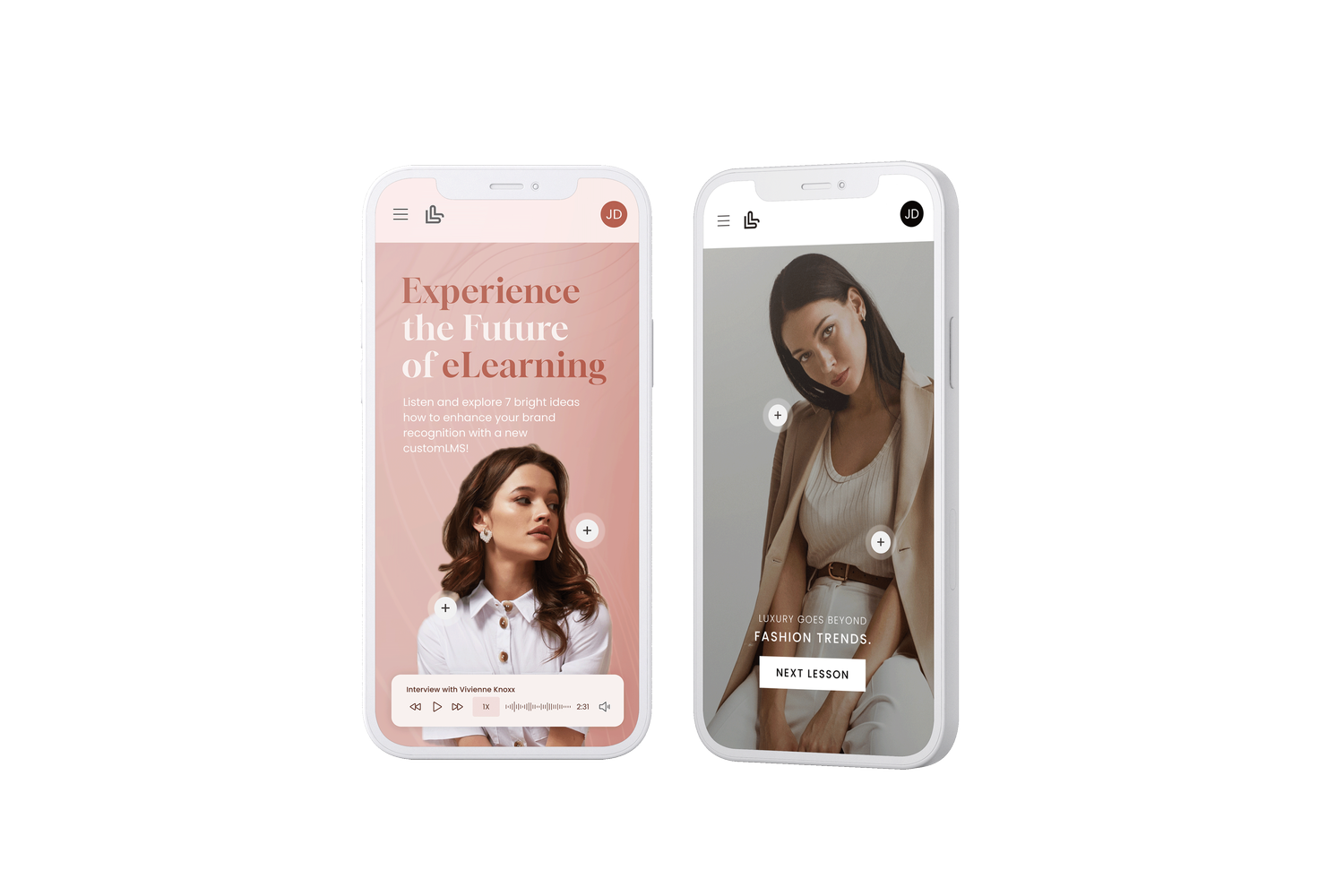
In today’s fast-paced world, learning needs to be as flexible as the environments people work in. Mobile learning allows individuals to access training content directly from their devices, making it easier to learn whenever and wherever it is most convenient.
By delivering content through smartphones and tablets, mobile learning supports continuous access to knowledge without being limited to a specific time or place. Learners can quickly review information, complete short modules, and stay connected to their training throughout the day.
With the support of modern learning management systems (LMS), organizations can create mobile-first learning experiences that include videos, interactive modules, and microlearning content. This ensures training remains accessible, engaging, and aligned with real-world needs.
Key Benefits of Mobile Learning
Access Learning Anytime and Anywhere
Enable on-demand learning through mobile devices, providing flexibility and convenience.Adapt to Busy Schedules
Fit training into short moments, supporting flexible learning environments.Deliver Mobile-Optimized Content
Use short videos, microlearning modules, and interactive formats designed for smartphones.Support Real-Time Knowledge Application
Allow quick access to information that can be applied immediately in practical situations.Increase Engagement and Accessibility
Familiar mobile usage enhances participation in digital learning programs.Enable Continuous Learning
Keep learners connected through ongoing access to updated content and resources.Ensure Consistency Across Teams
Provide standardized training content accessible from any location.Connect Learning to Daily Performance
Transform mobile devices into tools that support both learning and real-world application.
Mobile learning transforms training into a flexible and continuous experience, helping learners stay informed, engaged, and ready to apply knowledge effectively wherever they are.
Conclusion: Turning Training into Real-World Performance
Effective training today is no longer just about sharing information. High-impact learning is dynamic, continuous, and closely connected to real-world performance.
The most successful approaches integrate hands-on activities, storytelling, microlearning, mobile access, and peer collaboration into everyday workflows. By embedding learning directly into daily routines, individuals gain practical skills, build confidence, and retain knowledge more effectively.
When training is engaging, interactive, and aligned with real-life situations, learners do more than just acquire information—they perform better, collaborate more effectively, and apply what they know with confidence.
Modern learning management systems (LMS) make this possible by combining branded digital environments, interactive content, microlearning modules, video-based lessons, and social learning features into one seamless experience. These tools act as a continuous support system, helping learners practice, receive feedback, and improve performance on the job.
By turning training into an ongoing, performance-driven experience, organizations can boost engagement, strengthen culture, and enhance results in every customer interaction. Training becomes a daily driver of growth, confidence, and measurable impact.