
From Static Courses to Dynamic Growth: Applying Continuous Learning in Your LMS
Evolving Your eLearning Strategy with Continuous Learning Practices
In today’s fast-evolving global environment, innovation and adaptability are essential for any organization striving to stay ahead.
For employees to remain competent, they must continuously expand their knowledge and skills through consistent learning experiences. Research shows that the brain thrives on regular stimulation. Whether it’s learning a language or mastering an instrument, consistency signals the brain that information is valuable and worth retaining.
Even dedicating just 15 minutes a day to focused learning can lead to significant progress. Each time you learn something new, your brain physically changes — building new neural pathways that strengthen your ability to think, create, and adapt. This phenomenon, known as structural plasticity, highlights the power of lifelong learning to shape the mind.
Integrating continuous learning into your organization’s training strategy — through tools like eLearning, The Learning Lab, or an LMS — ensures that learning becomes a natural, ongoing process, keeping both individuals and organizations future-ready.
Each version keeps the focus on continuous learning, avoids restricted terms, and aligns with an up-to-date, motivational, and professional tone suited for eLearning, The Learning Lab, LMS, or training content.
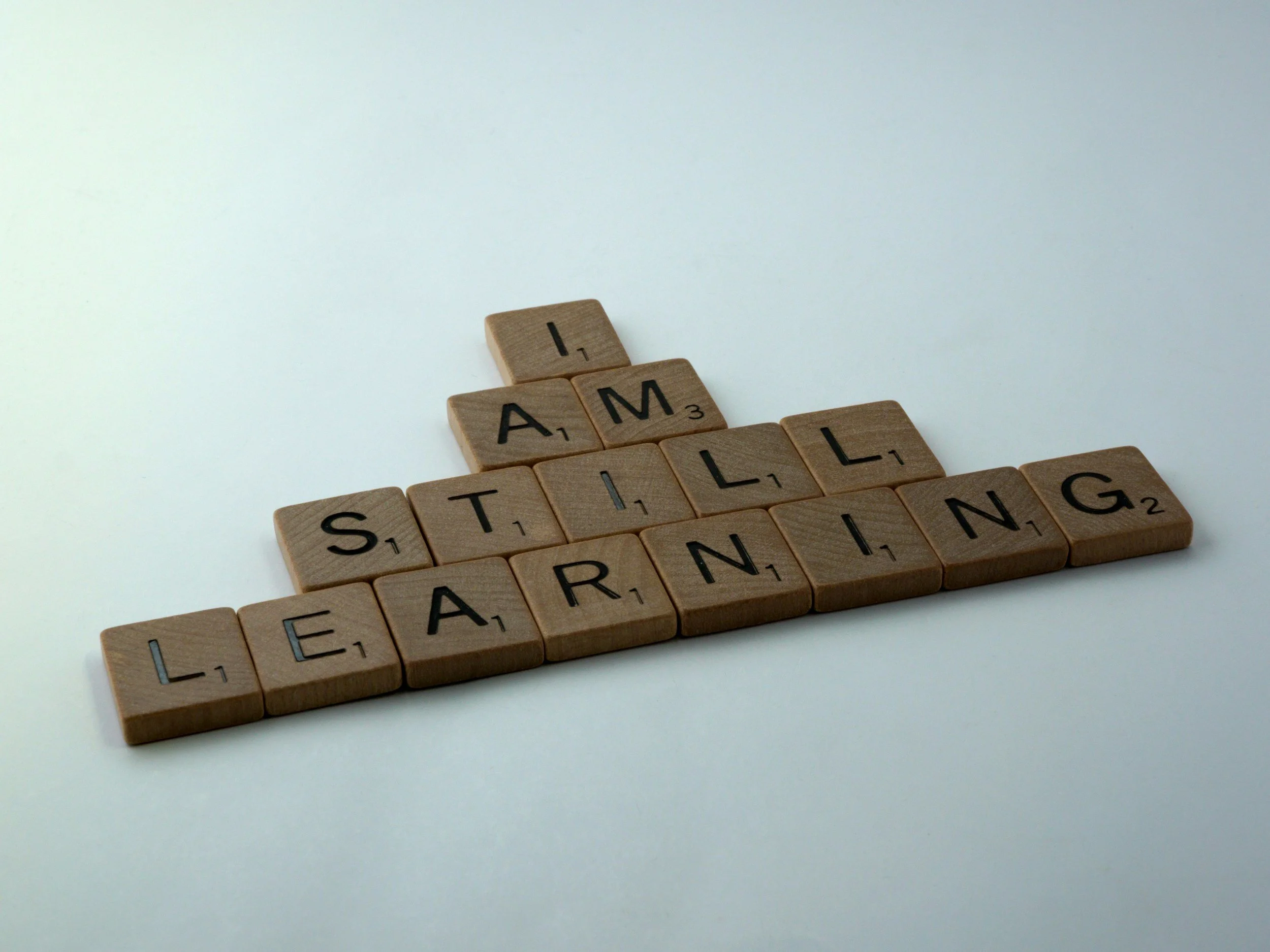
What Is Continuous Learning?
As humans, we are lifelong learners. From the moment we begin exploring the world, our brains are wired to absorb, adapt, and grow.
Whether it’s learning new skills, connecting with others, or navigating challenges, learning is a constant part of life — and one of the most powerful tools for personal development.
The Learning Process:
Repetition
Recite key concepts in your own words
Listen or review regularly to reinforce understanding
Organization
Start with general ideas before diving into specifics
Use tools like your LMS to organize and recall information
Emotion
Assign meaning to what you learn
Teach or share with others to deepen understanding (social learning)
Application
Apply new knowledge to real-life situations to make learning stick
Every time you learn something new, your brain forms new neural pathways — literally reshaping itself to store and process information more efficiently. This process not only strengthens your memory but also keeps your mind sharp and adaptable.
Continuous learning is about keeping that process alive — challenging yourself, staying curious, and engaging your brain consistently to keep it healthy and active throughout your life.
Understanding the Power of Continuous Learning
Learning is one of the most powerful tools for personal and professional growth. Every time you acquire new knowledge or skills, you enhance your brain’s capacity to think, adapt, and perform.
Continuous learning improves your cognitive abilities — your mental, emotional, and social capacity to understand, decide, and connect. Strengthening these abilities contributes to better decision-making, improved well-being, and even longer, healthier lives.
The science behind this is fascinating. When you learn, your brain changes physically — forming new neurons and neural pathways through a process known as structural plasticity. This adaptability helps your brain handle stress, solve problems, and stay resilient over time.
A flexible, learning-driven brain performs better under pressure and adapts faster to change. By making continuous learning a consistent part of your life, you strengthen your memory, enhance your performance, and future-proof your ability to grow.
How to Build a Continuous Learning Environment
Want to keep your brain flexible and ready for anything?
The secret is simple: keep learning. Your brain thrives on new information — it literally rewires itself when you challenge it. There are countless ways to do this:
Enroll in eLearning courses
Read books or articles that inspire you
Watch educational videos
Join workshops or seminars to gain hands-on insights
But gathering information isn’t the same as learning. To truly learn, you need to engage your brain in active understanding. Try techniques such as:
Mind mapping to visualize how ideas connect
Visualization to imagine concepts in action
Note-taking or reflection to deepen comprehension
It also helps to build a learning habit around things that feel meaningful and manageable. Start small — explore topics that are relevant to your daily life, like improving communication, managing time effectively, or adopting healthier routines.
Over time, these small, consistent learning moments create a culture — or personal environment — where growth becomes second nature.

Lifelong Learning vs. Continuous Learning: What’s the Difference?
Both lifelong learning and continuous learning share one goal — to keep growing — but they differ in focus and scope.
Lifelong Learning
Lifelong learning refers to an individual’s ongoing commitment to gaining knowledge and developing skills throughout their entire life. It’s a mindset — a personal philosophy of curiosity and growth that continues well beyond formal education.
Continuous Learning
Continuous learning, on the other hand, often occurs within a specific timeframe or context. It usually refers to structured or intentional learning activities — such as eLearning programs, workplace training, or skill development initiatives — designed to support immediate goals or evolving professional needs.
Ultimately, the two approaches are interconnected: continuous learning provides structure and measurable progress, while lifelong learning sustains curiosity, adaptability, and long-term growth. Together, they create a dynamic framework for personal and professional development.
Implementing Continuous Learning in Your Organization
Implementing continuous learning is not just about offering courses or workshops; it’s about creating an ecosystem that supports growth, encourages curiosity, and integrates learning into the daily workflow.
When done effectively, it empowers employees to stay ahead of industry trends, embrace emerging technologies, and respond proactively to challenges and opportunities. Here’s a step-by-step guide to implementing continuous learning effectively:
Identify Relevant Learning Needs
Start by understanding the skills, knowledge, and competencies that are most relevant to your team and organizational goals. Conduct assessments, gather feedback, and collaborate with stakeholders to pinpoint learning priorities that will have the greatest impact.
Develop a Structured Learning Plan
Create a roadmap for delivering learning opportunities. Define clear objectives, measurable outcomes, and timelines. Ensure the plan is realistic, actionable, and adaptable to evolving needs.
Design an Engaging Learning Environment
An effective learning environment is:
Interesting: The content should capture attention and maintain curiosity.
Interactive: Use activities, discussions, or simulations to foster engagement.
Accessible: Make learning easy to access, without unnecessary distractions.
Ensure Learning is Practical and Applicable
Learning should result in tangible improvements. Make sure new skills and knowledge can be applied in real-world scenarios, enabling employees to immediately integrate learning into their daily work.
Follow Up and Keep Learning Relevant
Continuous learning is an ongoing journey. Regularly review and update learning content to ensure it remains relevant to organizational needs. Encourage reflection, feedback, and adaptation to maximize impact.
Checklist for Successful Implementation:
Engage Stakeholders and Experts: Include e-coaching or mentorship to provide guidance and real-world insights.
Create a Clear Agenda: Structure learning initiatives with defined steps and milestones.
Define Objectives and Goals: Align learning with both organizational priorities and individual development.
Invest in Social Learning: Promote collaboration, peer-to-peer learning, and knowledge sharing.
Select the Right Learning Platform: Consider hybrid LMS/LXP solutions like The Learning Lab for flexibility and scalability.
Build a Knowledge Platform: Provide on-demand courses, resources, and curated learning materials for self-directed learning.
Design Individual and Group Learning Paths: Tailor learning journeys for different roles and skill levels.
Organize Blended Learning: Combine online learning, workshops, and practical experiences for maximum engagement and retention.
This approach ensures that continuous learning becomes an integrated, sustainable part of your organizational culture, rather than a one-off initiative. By investing in the right tools, pathways, and engagement strategies, employees can consistently develop new skills while contributing to overall organizational growth.

Conclusion: Evolving Your eLearning Strategy with Continuous Learning Practices
Evolving your eLearning strategy with continuous learning practices is about more than updating courses—it’s about cultivating a culture where learning is embedded into every aspect of work.
By prioritizing regular skill development, interactive learning experiences, and knowledge-sharing platforms, organizations can ensure that employees remain adaptable, confident, and capable of thriving in a rapidly changing environment. Modern tools such as LMS platforms, hybrid learning paths, and social learning communities make it possible to deliver learning that is both relevant and engaging.
Adopting continuous learning practices transforms eLearning into a strategic advantage. It empowers employees to take ownership of their growth, encourages collaboration, and strengthens organizational resilience.
Ultimately, organizations that embrace this approach are not only preparing their workforce for immediate challenges but also investing in long-term innovation, productivity, and success. Continuous learning becomes the engine that drives both individual and organizational growth in a constantly evolving landscape.