
Effective Product Launch Training for Teams
Product Launch Training: Preparing Teams Quickly and Effectively
A successful product or service launch depends on how quickly and effectively teams can learn key information and apply it confidently in real-world situations.
To prepare employees efficiently, training should be concise, visual, and immediately actionable. This includes microlearning modules that highlight essential features, short demonstration videos, comparison guides, and scenario-based practice exercises.
Delivering content in mobile-first formats allows employees to learn on the go, while gamification, interactive quizzes, and micro-assessments reinforce retention and engagement.
When training is efficient, engaging, and aligned with organizational goals, employees are ready from day one to apply their knowledge effectively, make informed decisions, and contribute to improved business performance and team productivity.
Why You Should Adopt a Structured Product Launch Training Strategy
In fast-moving industries, new products and services are key drivers of business growth.
Each launch presents a common challenge for learning and development (L&D) teams: how to ensure every employee, from frontline staff to managers, can confidently understand and implement new processes or offerings from day one.
Effective launch training goes beyond simply sharing technical details. It equips teams with the knowledge, confidence, and communication skills needed to deliver consistent, high-quality performance. With a structured learning approach, launch training can be rapid, scalable, and impactful, ensuring consistency across all locations and roles while accelerating employee readiness, engagement, and productivity.
The Benefits of Rapid eLearning for Product Launch Training
Traditional in-person or classroom-style training can struggle to keep pace with fast-moving business needs.
Rapid eLearning enables L&D teams to create engaging, concise, and mobile-friendly training materials in days instead of weeks, ensuring employees are ready to perform from day one.
Key Benefits
Faster time to implementation: Quickly deliver new training content across teams and locations, so no employee falls behind
Scalability: Roll out updates simultaneously across multiple regions or departments
Consistency: Ensure accurate messaging, standardized procedures, and aligned workflows
Flexibility: Let employees learn at their own pace, anytime and anywhere, to fit their work schedules
Performance support: Provide easy access to job aids, microlearning, and just-in-time resources at the point of need
Integrating rapid eLearning into your product launch strategy not only accelerates training rollout but also enhances long-term knowledge retention, adoption, and team performance.
Set Clear Learning Objectives for Effective Training
Before developing any training content, it is essential to define the specific outcomes you want employees to achieve.
Are you aiming for deeper product knowledge, improved communication skills, or increased confidence in applying new processes?
Set clear, measurable learning objectives to guide content creation and keep training focused on performance improvement. For example:
Employees can identify the three most important features and two key benefits of a new product or process
Teams can apply the correct procedures or workflows in real-world scenarios
Staff can confidently explain key concepts or solutions to colleagues or clients
Clear objectives ensure that training materials are purpose-driven, actionable, and aligned with organizational goals, ultimately supporting faster skill adoption and stronger employee performance.
Identify Knowledge Gaps and Learning Challenges
Every new product, process, or initiative brings its own challenges. Some concepts may be complex, some workflows may be unfamiliar, and some employees may need additional support to perform confidently.
By identifying knowledge gaps and learning pain points early, you can tailor training to focus on areas that will have the greatest impact on employee performance and business outcomes.
Use short surveys, manager observations, or performance data from previous launches to pinpoint gaps. This approach streamlines content development and ensures training is practical, relevant, and immediately applicable to daily work.

Create Engaging, Multi-Format Training Content
Employees often have limited time, so training must be efficient, interactive, and designed with adult learning principles in mind.
How to design engaging content:
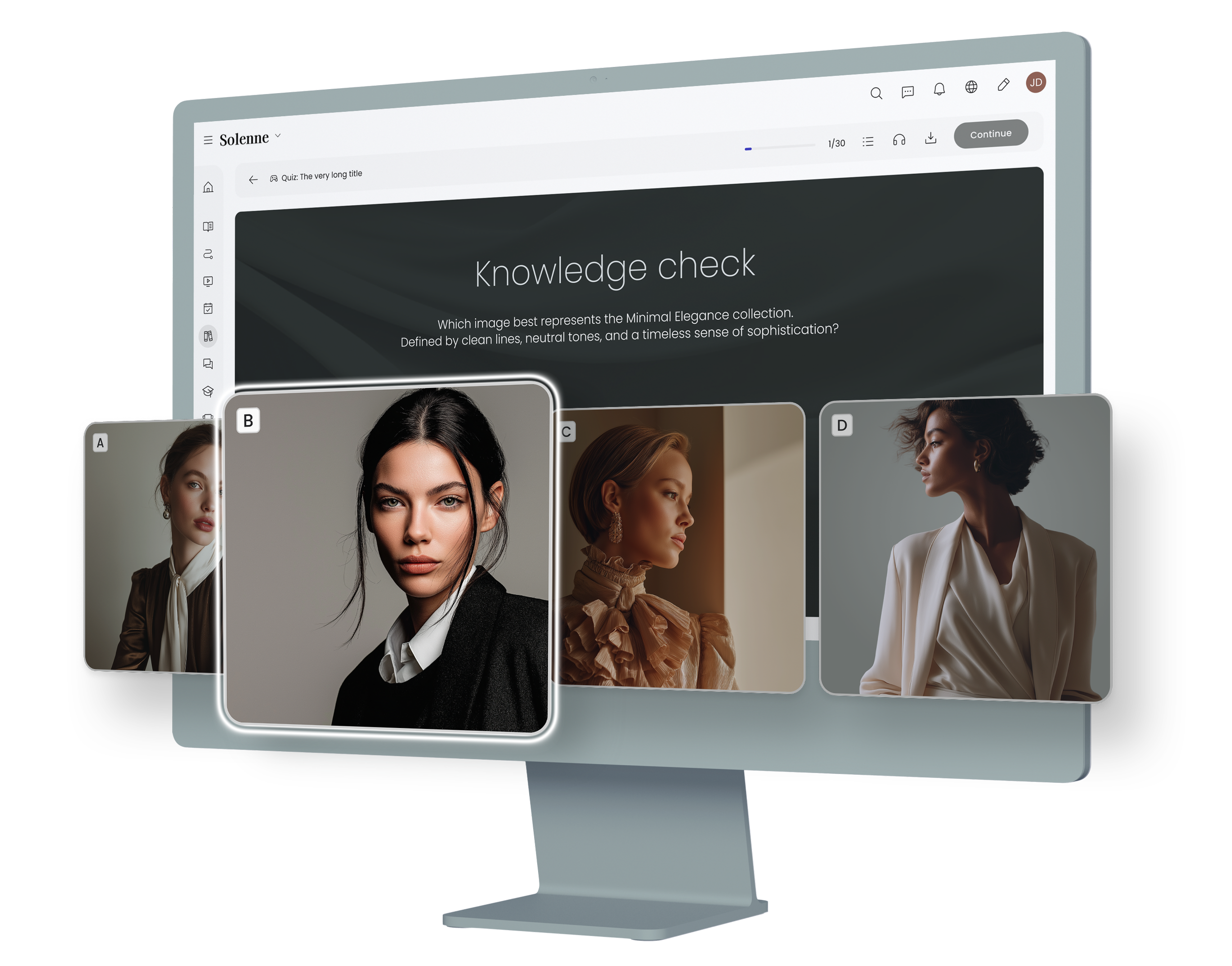
Vary the formats: Combine micro-videos, infographics, interactive quizzes, and short eLearning modules to maintain attention and boost knowledge retention
Use branching scenarios: Let learners make decisions in simulated, real-world situations, helping them apply knowledge in context
Include self-assessment checkpoints: Allow employees to evaluate their readiness, reflect on their progress, and identify areas for improvement
Apply storytelling: Incorporate case studies, process examples, or practical scenarios that make learning memorable and relevant
Maintain consistent branding and design: Visual continuity and familiar layouts reinforce the learning experience and increase engagement
By creating multi-format, interactive content, organizations can deliver training that is practical, memorable, and aligned with performance goals.
Leverage Role-Playing for Deeper, Experiential Learning
Even in digital training, role-playing is a powerful method to practice real-world skills and scenarios.
By simulating practical interactions, learners can explore how to apply knowledge effectively, communicate clearly, and respond to diverse situations with confidence.
For example, an online branching scenario might ask participants to handle different types of situations or challenges and adjust their approach based on context. This builds confidence, strengthens decision-making, and reinforces the behaviors needed for consistent performance.
Whenever possible, complement eLearning modules with virtual workshops or in-person sessions where employees can practice, share feedback, and learn from one another in real time.
Personalize Learning Paths for Maximum Impact
Not all employees require the same level of detail or focus. Some team members may need in-depth knowledge and advanced scenarios, while others benefit from concise, foundational content.
By personalizing learning paths, each learner can progress at their own pace and focus on the training most relevant to their role and experience.
Advanced learners can explore in-depth modules, case studies, or leadership content
New employees can start with structured, bite-sized introductions
Learning paths can be adapted based on performance, role requirements, or prior knowledge
This approach aligns with modern adult learning principles, emphasizing autonomy, relevance, and experiential application, resulting in faster skill adoption, higher engagement, and improved employee performance.
Encourage Collaboration and Peer-to-Peer Learning
Successful launches and initiatives thrive when teams collaborate and share knowledge.
Encourage employees to exchange tips, feedback, and best practices through digital communities, discussion boards, or collaborative tools within your Learning Lab platform.
This peer-driven knowledge sharing boosts engagement, strengthens team networks, and provides valuable insights for L&D teams, revealing which areas of training resonate most and where additional support may be needed.
Recognize and reward employees who contribute valuable insights, innovative ideas, or practical solutions. This reinforces a sense of ownership, motivation, and accountability, while fostering a culture of continuous learning.

Provide Just-in-Time Performance Support
Even the most effective training can lose impact over time without reinforcement. Ensure employees can access critical information exactly when they need it, whether before performing a task, applying a new process, or making key decisions.
Offer mobile-friendly performance aids such as quick reference guides, FAQs, or short refresher videos that summarize essential knowledge. Embedding QR codes or direct links to microlearning content makes it easy for employees to access guidance on demand.
Point-of-need performance support keeps teams confident, accurate, and productive, while reinforcing learning in real-world situations.
Track Progress and Optimize Learning
Collect data throughout the training cycle to monitor engagement and effectiveness. Track completion rates, quiz scores, and feedback responses to identify trends and areas for improvement.
For example, some teams may have lower completion rates, or certain modules may generate more questions. Use this insight to adjust content, optimize pacing, and address knowledge gaps.
Combine quantitative data with qualitative insights from managers and employees to form a holistic view of learning effectiveness and readiness. This approach ensures training is not only completed but also applied successfully on the job.

Set Your Team Up for Success
A product launch is more than a single event. It is a coordinated effort that requires preparation, alignment, and ongoing reinforcement to achieve lasting impact.
When employees are trained quickly and effectively, they not only understand the new product or process but are also confident and capable in applying their knowledge on the job.
By combining rapid eLearning, personalized learning paths, scenario-based practice, and collaborative learning, organizations can build a scalable, agile training model that supports continuous improvement, consistent performance, and long-term business goals.
The result is clear: launches run more smoothly, new initiatives gain traction faster, and employees are empowered to deliver high-quality results, apply skills with confidence, and achieve measurable performance outcomes every time.
Launch-Ready in Days: How The Learning Lab Powers Fast and Effective Product Training
When new products or initiatives are introduced, teams need instant clarity, confidence, and the ability to apply knowledge effectively.
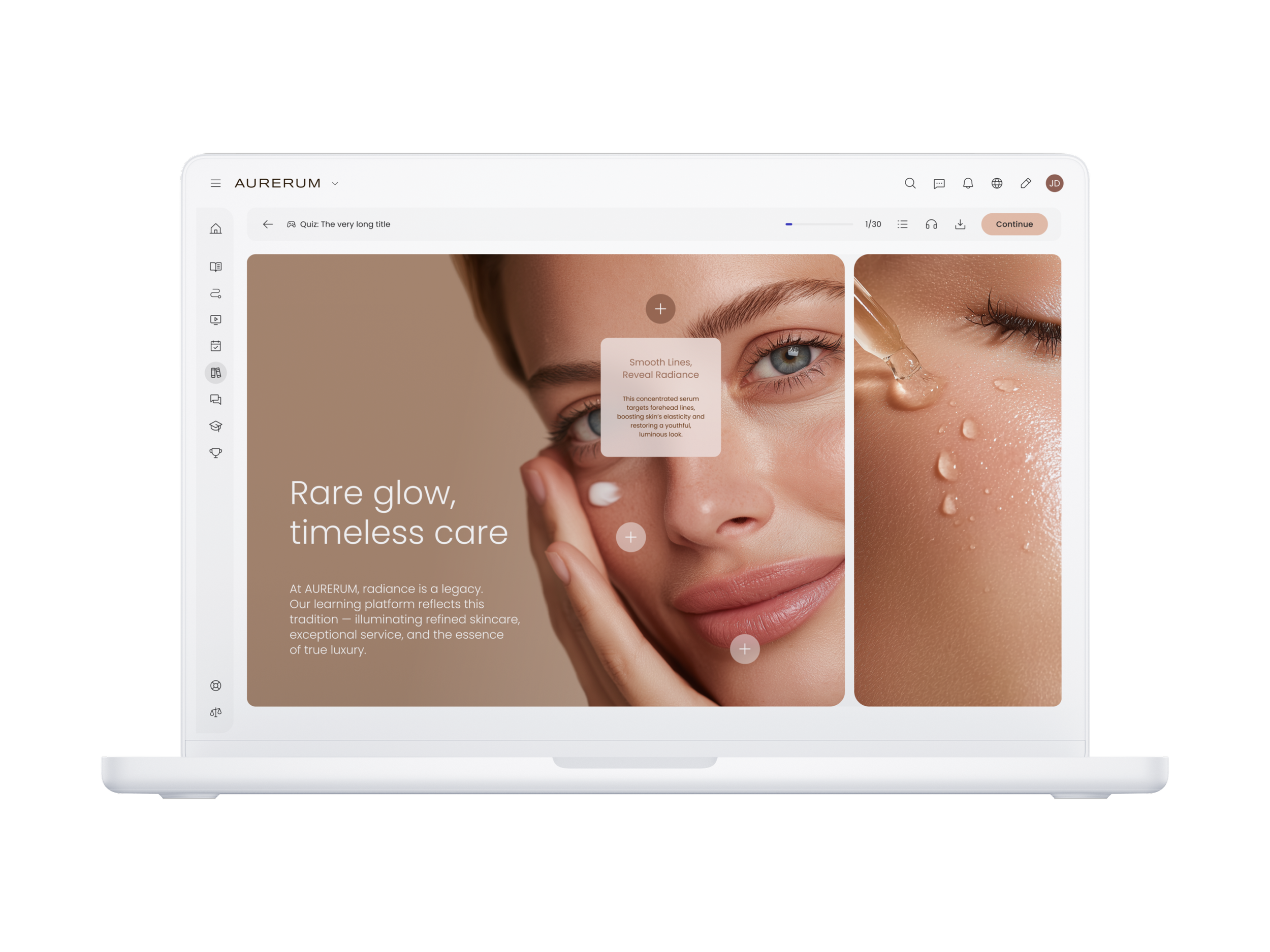
Learning Lab LMS is designed for this fast-paced reality. With mobile-first modules, microlearning formats, and concise hero-content, employees can learn quickly—anytime, anywhere.
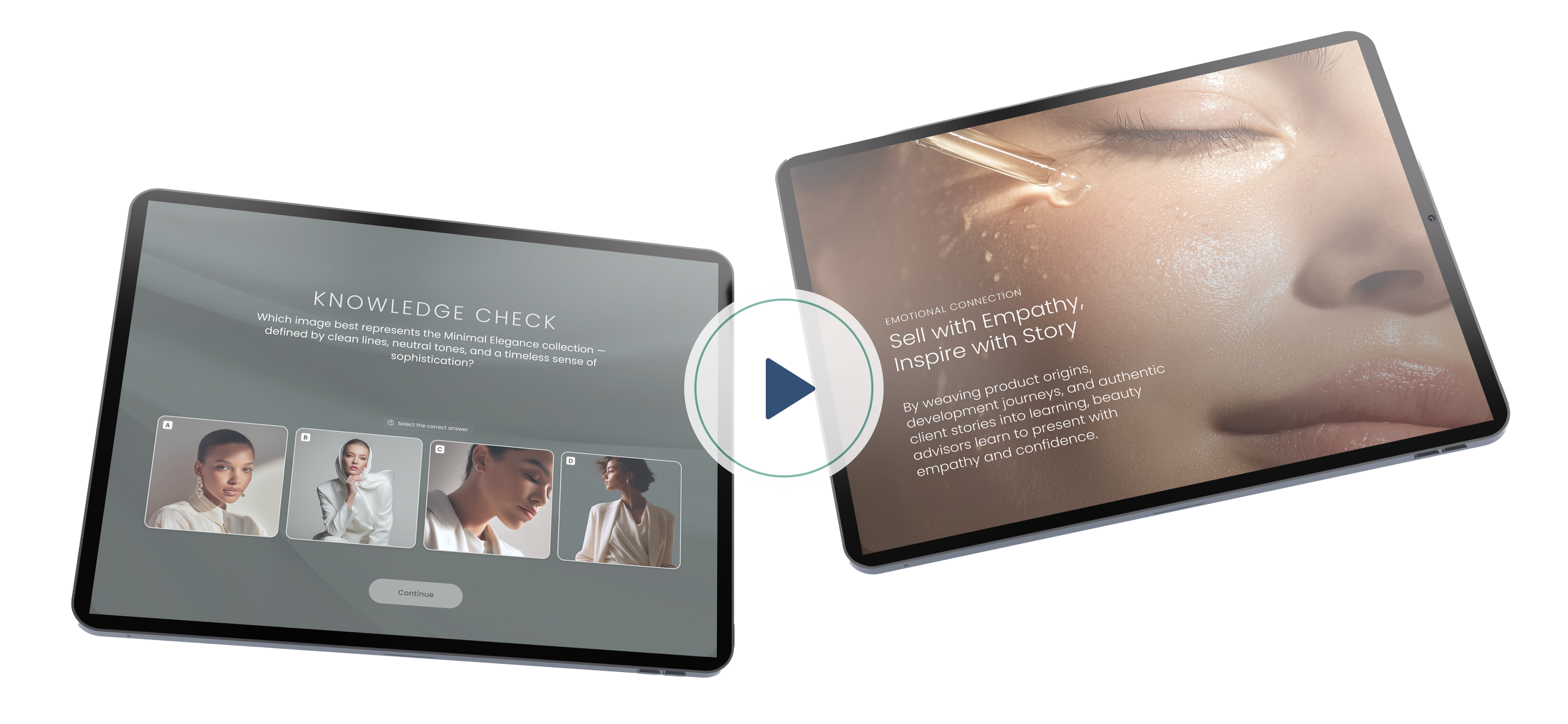
Visual storytelling, video tutorials, interactive comparisons, and AI-powered translation help teams across global markets stay aligned, while gamification and micro-assessments keep learners engaged and ready to perform.
The Learning Lab transforms every launch into a seamless, branded learning experience that accelerates readiness, knowledge retention, and practical application from day one.
Why The Learning Lab Is Ideal for Rapid Product Launch Training
Mobile-First & Fast: Nano- and microlearning modules deliver essential knowledge in minutes
Story-Driven Content: Visual templates highlight features, benefits, and key differentiators
Instant Global Rollout: AI-powered translation ensures every team is ready simultaneously with accurate messaging
Video-First Training: Tutorials, animations, and demonstrations embedded directly into the LMS
Interactive Microlearning Carousels: Social-media-inspired formats maximize engagement and retention
Gamification for Motivation: Badges, leaderboards, and quizzes accelerate adoption and make learning enjoyable
Real-Life Practice: Scenarios, role-plays, and practical prompts help employees turn knowledge into action
Perfect for Mobile Teams: On-the-go training accessible on any device
Launch Readiness Dashboards: Track completion, engagement, and performance metrics across teams instantly