
Top Learning Trends and Strategies for 2026
The Future of Learning and Development: 2026 Trends and Insights
As organizations continue to evolve in competitive, experience-driven markets, the way teams learn and develop is undergoing a major transformation.
In 2026, cutting-edge learning trends are shaping how knowledge is delivered and absorbed — from advanced learning platforms enabling agile content creation to AI-powered tools providing real-time guidance.
Social learning and live discussions foster community and peer-to-peer growth, while immersive storytelling and scenario-based experiences bring organizational knowledge to life.
With a growing focus on hands-on, experiential learning, employees are empowered through emotionally engaging, practical experiences. Just-in-time learning, tailored to fast-paced work environments, ensures teams are always ready to perform at their best.
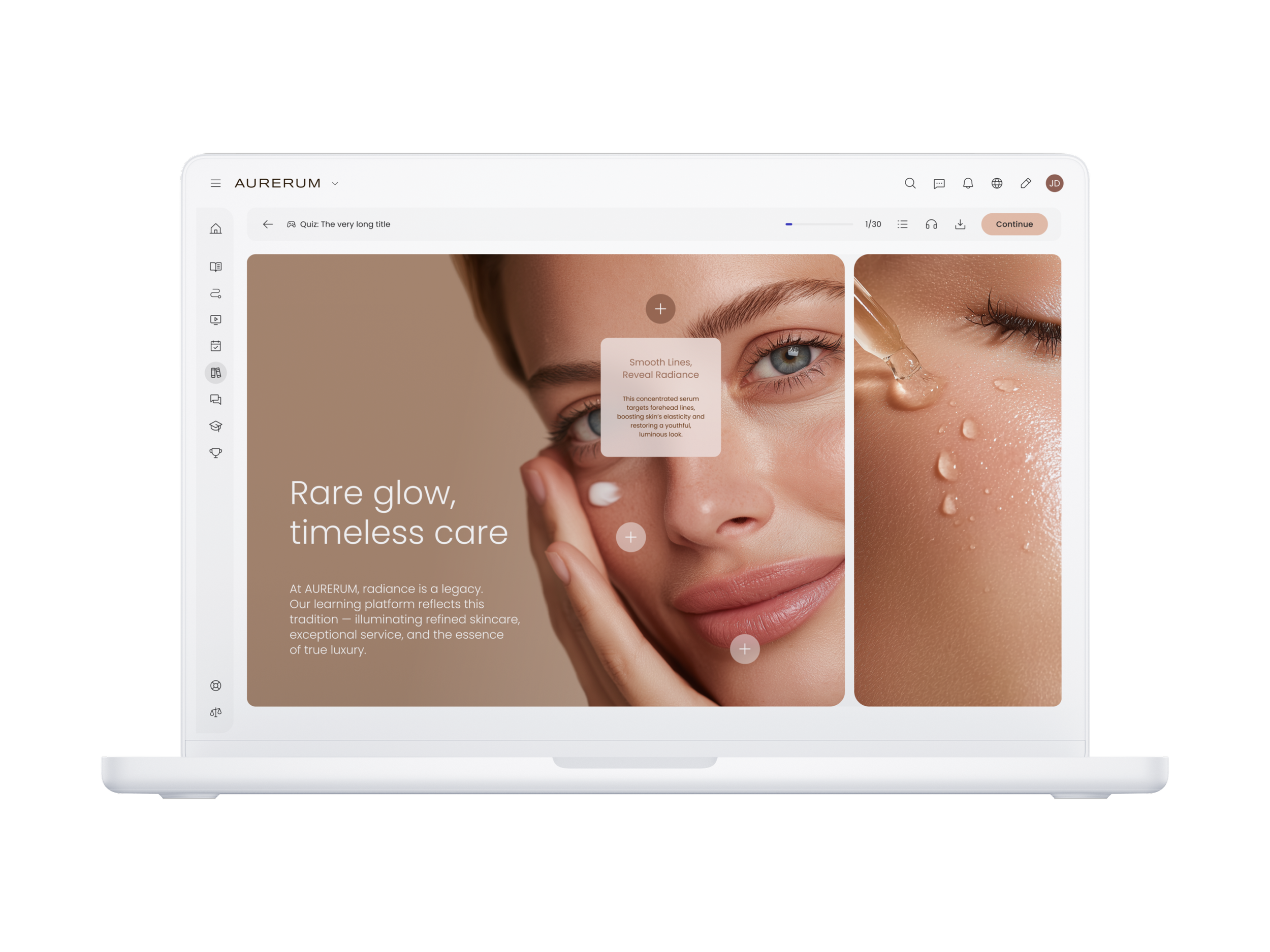
01. LCMS: The Future of Online Learning in 2026
In 2026, organizations are leveraging Learning Content Management Systems (LCMS) to transform how they design, manage, and deliver learning programs across teams globally.
With rapidly evolving knowledge needs and dynamic work environments, agility, consistency, and scalability in learning have never been more important. A robust LCMS streamlines content creation while enabling dynamic, immersive, and personalized learning experiences that reflect organizational culture and identity.
Key Benefits of Using an LCMS for Learning and Development:
Built-in Authoring Tools
Create interactive, engaging learning content directly within the platform. From quizzes to videos, everything can be developed in one centralized environment without the need for third-party software.Agility and Speed
Update learning modules instantly to reflect new processes, priorities, or initiatives. Centralized management ensures content is delivered quickly and consistently across teams.Consistency and Brand Alignment
Provide a cohesive, branded learning experience that reflects organizational values. Every interaction, visual element, and learning module reinforces the identity and standards of the organization.Localization and Global Readiness
Easily adapt content for different regions and languages with built-in translation workflows. Manage localized versions of learning modules to meet global or market-specific needs.User-Friendly Design and Creative Control
Empower learning designers, subject-matter experts, and trainers to build visually engaging courses without coding or complex software requirements.Collaboration and Efficiency
Facilitate cross-team collaboration—between learning designers, managers, and leadership—within a single platform to keep content aligned, current, and impactful.
02. AI-Powered Chatbots in LMS: Smarter, Scalable Learning Support
In 2026, AI-powered chatbots are revolutionizing how organizations deliver learning through Learning Management Systems (LMS).
By providing intelligent, real-time support within the learning experience, these virtual assistants help learners stay informed, confident, and agile. Designed for natural, conversational interactions, AI chatbots offer instant answers, personalized guidance, and scalable support, making learning more efficient and accessible than ever.
Key Benefits of AI Chatbots in Learning Management Systems:
Intelligent On-Demand Support
Functions as a 24/7 knowledge assistant, guiding learners and answering questions whenever they need help.Personalized AI Responses
Delivers tailored guidance based on organizational knowledge, training content, and role-specific scenarios.Real-Time Assistance
Supports learners during critical moments, whether completing a module, applying skills, or engaging in practical tasks.Conversational and User-Friendly
Engages learners intuitively, simulating natural human interaction and reducing reliance on manuals or static instructions.Enhanced Training Efficiency
Minimizes time spent searching for answers, allows learners to progress at their own pace, and increases engagement, knowledge retention, and performance.

03. Kinesthetic Learning: Engage Through Movement and Experience
Kinesthetic learning is a powerful method that helps participants internalize knowledge through hands-on, movement-based experiences. By learning through action, individuals deepen understanding and retain information more effectively.
This approach transforms traditional training into active, immersive experiences that engage multiple senses, making learning both memorable and meaningful.
Why Kinesthetic Learning Works in Professional Development:
Learning by Doing
Participants gain deeper understanding by physically engaging with tools, processes, or simulations relevant to their roles.Builds Confidence
Hands-on experience helps learners apply skills authentically, improving confidence in real-world situations.Reinforces Storytelling and Context
Experiential learning makes it easier to connect concepts to practical scenarios, enhancing understanding and retention.Enhances Memory Retention
Active participation anchors knowledge more effectively than passive learning methods, ensuring long-term impact.Ideal for Scenario-Based Learning
Simulations, role-plays, and interactive workshops develop practical skills, problem-solving abilities, and real-world readiness.
04. Experiential Learning: Train Through Immersion and Action
Experiential learning is a powerful approach that goes beyond theory, allowing participants to engage deeply through immersive, hands-on experiences that mirror real-world scenarios.
By participating in interactive workshops, simulations, and practical exercises, learners build confidence, strengthen emotional connections, and develop skills that are immediately applicable.
Key Benefits of Experiential Learning in Professional Development:
Immersive Engagement
Participants experience organizational values, culture, and practices firsthand, helping them internalize and embody key principles.Real-World Practice
Learning mirrors practical, on-the-job scenarios, providing opportunities to apply skills in realistic contexts.Stronger Emotional Connection
Experiencing concepts through action, story, or challenge fosters authentic, lasting engagement and commitment.Enhanced Retention and Recall
Active, immersive participation activates memory more effectively than passive learning, ensuring knowledge is retained and applied.Boosts Motivation and Energy
Dynamic and engaging experiences inspire learners, increasing enthusiasm for their roles and for applying what they’ve learned.
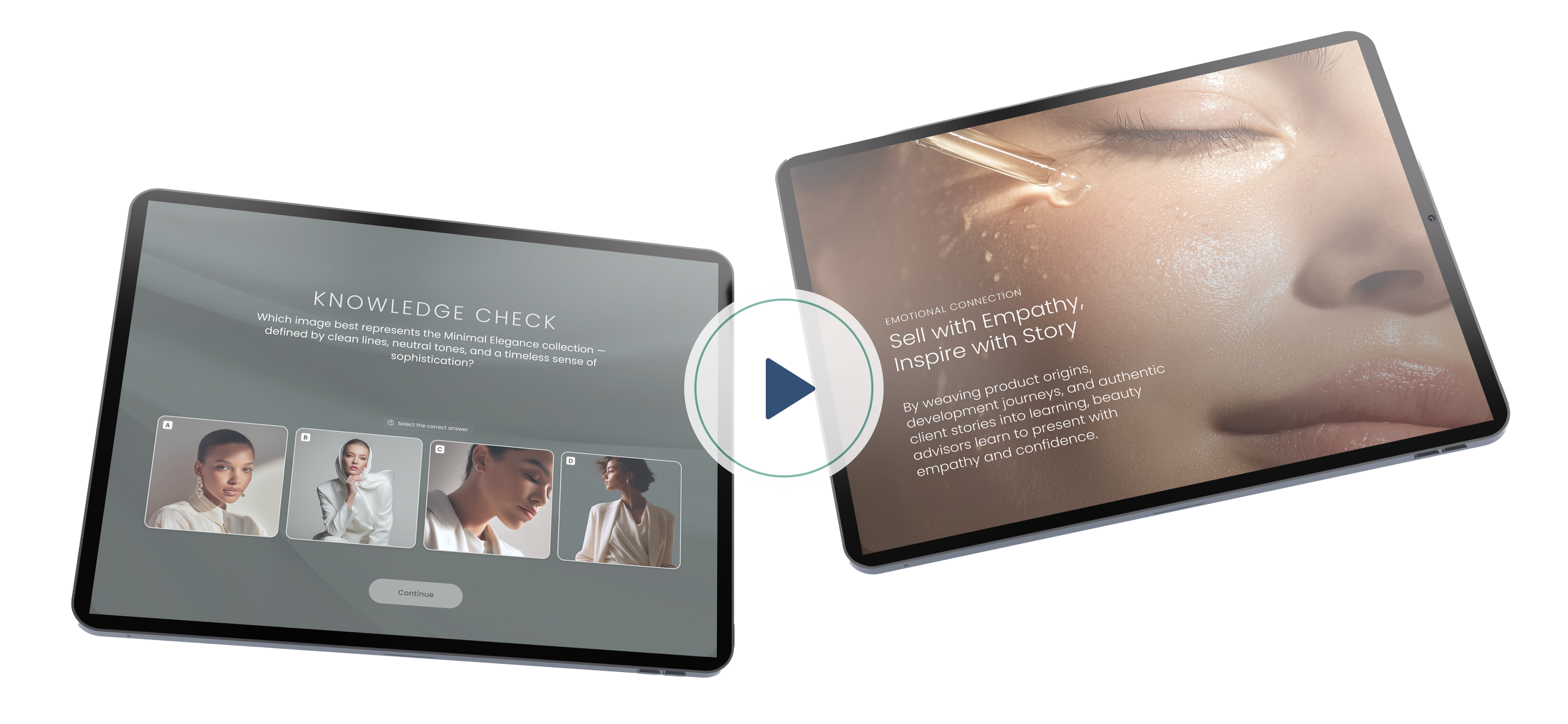
05. Just-in-Time Learning: Knowledge When and Where It’s Needed
In fast-paced work environments, timing is critical when it comes to learning. Just-in-time learning is a flexible, mobile-first approach that provides employees with instant access to the right knowledge at the exact moment it’s needed.
Whether it’s refreshing skills before a project, addressing a real-time challenge, or preparing for a new initiative, this approach enables learners to stay confident, informed, and productive without disrupting their workflow.
Key Features of Just-in-Time Learning:
Access Anytime, Anywhere
Optimized for mobile, tablet, or desktop, learners can engage with content on the go, at their desk, or remotely.Flexible Content Formats
From in-depth videos to quick-reference guides, interactive tutorials, AI-assisted tools, and step-by-step instructions, learning is tailored to individual needs.Mobile and Nano Learning
Bite-sized, targeted modules that take just minutes to complete—ideal for busy schedules and focused attention spans.On-Demand Support
Learners no longer need to wait for scheduled sessions or workshops—knowledge is available whenever it is required.Supports Performance in the Flow of Work
Just-in-time learning helps employees apply skills immediately, reinforcing practical application and confidence.Improves Knowledge Retention
Delivering content at the point of need strengthens memory retention, making training more meaningful and impactful.
06. Scenario-Based Learning: Build Confidence Through Real-World Practice
Scenario-based learning is a highly effective method for developing real-world skills by allowing participants to practice decision-making in authentic, relevant situations.
By simulating practical challenges—whether project-based tasks, client interactions, or role-specific scenarios—learners can apply knowledge, experience consequences, and build confidence in a safe, controlled environment.
Why Scenario-Based Learning Works in Professional Development:
Authentic Real-World Scenarios
Simulations mirror everyday challenges, helping learners apply skills and knowledge to practical situations.Enhances Decision-Making Skills
Learners explore options, evaluate outcomes, and strengthen critical thinking through applied problem-solving.Safe Environment for Practice
Provides a risk-free space to experiment, make mistakes, and learn before tackling real-world tasks.Reinforces Knowledge and Best Practices
Scenario-based exercises help embed key concepts, processes, and standards through hands-on application.Boosts Confidence and Engagement
Interactive, story-driven experiences make learning memorable and empower participants to act with assurance.Scalable and Personalized
Scenarios can be tailored to different roles, teams, or experience levels, ensuring relevance and impact across an organization.

07. Build Your Own Training Experience: White-Label, No-Code Learning Platforms
In competitive industries where agility and brand identity matter, organizations are adopting white-label, no-code learning platforms to deliver fully customizable training experiences.
These platforms allow teams to create, brand, and manage their own digital learning environments without writing a single line of code. From design and user experience to content and structure, every element can reflect organizational values, culture, and vision—providing a premium, scalable, and fully personalized learning experience.
Why Organizations Choose White-Label, No-Code Learning Platforms:
Fully Brandable
Customize design, tone, and user experience to align with organizational identity and culture.No-Code Simplicity
Empower L&D teams, trainers, or subject-matter experts to build and launch content quickly without relying on developers.Speed and Agility
Rapidly deploy new modules, updates, or initiatives to meet evolving organizational needs.Seamless Integration
Connect with existing LMS, HR tools, or content repositories for a unified, efficient learning ecosystem.Scalable Across Teams and Regions
Easily localize content and manage multiple teams or locations while maintaining a consistent, high-quality experience.Premium Learning Experience
Every touchpoint, from onboarding to certification, reinforces the organization’s commitment to quality, innovation, and learner engagement.
08. Activity-Based Learning: Train Through Action, Not Just Information
Activity-based learning is a hands-on approach that encourages participants to actively engage with content through interactive tasks, role-plays, challenges, and real-world simulations.
Instead of passively consuming information, learners gain skills and knowledge by doing, leading to stronger retention, greater confidence, and deeper engagement.
Why Activity-Based Learning Works in Professional Development:
Action-Oriented Learning
Engages participants through task-based experiences, decision-making, and practical exercises that mirror real-world challenges.Enhances Knowledge Retention
Physical and interactive learning strengthens memory and understanding far more effectively than passive methods such as reading or watching.Builds Confidence in Skill Application
Hands-on activities give learners the chance to practice and apply skills, increasing competence and assurance in real situations.Encourages Collaboration and Peer Learning
Group exercises, interactive challenges, and team-based activities foster collaboration, communication, and shared learning.Drives Engagement and Energy
Active, immersive experiences keep learners motivated and connected to the purpose of the training.

Conclusion: Learning and Development Trends for 2026
As organizations aim to deliver consistent, high-impact experiences, the right learning platform has become more than just a training tool—it is a strategic organizational asset.
White-label, no-code, fully customizable platforms allow teams to take control of their learning journey, align it with organizational values, and scale programs effortlessly across departments and regions.
Whether onboarding new employees, launching initiatives, or deepening role-specific knowledge, a tailored digital learning environment ensures participants stay informed, confident, and empowered to perform at their best.
In an increasingly dynamic and competitive environment, personalized, immersive, and engaging learning experiences are not just beneficial—they are a critical advantage for performance, retention, and organizational excellence.