
Learning in Action: Making eLearning Deliver Performance
How Smart eLearning Transforms Employee Performance
In today’s fast-paced workplaces, the right learning strategy is more than just training—it is a performance accelerator.
Short, interactive, mobile-first modules dramatically improve engagement and knowledge retention. Completion rates for microlearning content reach 65–90%, compared to only 30–40% for traditional long courses. Employees revisit nano- and micro-content 1.5–2 times more often when gamification or peer interaction is included.
The optimal session length is 7–10 minutes, keeping learners focused, motivated, and ready to apply skills immediately on the job.
Adding social learning features such as forums, polls, or peer-sharing increases engagement by 20–35%. When learning is fast, interactive, and collaborative, employees retain knowledge better, improve performance, and apply skills more confidently.

From Engagement to Impact: How eLearning Drives Employee Performance
In modern workplaces, employee engagement is not just a “nice to have.”
It is the engine that transforms knowledge, skills, and daily behaviors into measurable business results.
When learning is short, mobile-first, and interactive, completion rates increase significantly, and employees return more often to refresh and apply their skills.
Microlearning establishes a continuous learning rhythm that fits busy schedules, while social learning features foster collaboration, motivation, and deeper knowledge retention. The result is a learning ecosystem where engagement is directly linked to improved performance, higher productivity, and better outcomes.
Key Engagement Metrics in eLearning
Completion Rate
Short, interactive, mobile-friendly modules reach 65–90% completion, compared to only 30–40% for traditional long courses.Repeat Visits
Employees revisit nano- and micro-modules 1.5–2 times more often when gamification, challenges, or peer discussions are included.Session Duration
The highest engagement occurs with 7–10 minute modules, ideal for busy schedules.Social Learning Impact
Adding forums, polls, Q&A, or peer-sharing increases engagement by 20–35%, creating a collaborative learning culture that reinforces skills and encourages knowledge sharing.

Impact on Performance Metrics: How Training Drives Measurable Results
In today’s fast-paced organizations, the connection between learning and measurable performance is clear.
Well-designed eLearning and interactive training directly improve employee productivity, confidence, and outcomes.
When training reinforces core skills, processes, and best practices, employees perform with more consistency, efficiency, and accuracy. Targeted learning touchpoints improve conversion, task completion, onboarding speed, and employee retention. The result is a strong business case: engaged learners don’t just complete training—they perform better, stay longer, and deliver measurable results.
Key Performance Metrics
Productivity and Performance
Teams using structured learning programs see +10–18% higher output compared to those with minimal engagement.Task Accuracy and Conversion
Focused eLearning campaigns improve task execution and workflow efficiency by 8–12% within just 4–6 weeks.Upskilling & Skill Application
Targeted training increases effective skill application by 15–20%, enabling employees to perform confidently and consistently.Speed to Competency
Digital and blended onboarding reduces time to full proficiency by 30–40%, accelerating new hire productivity and operational readiness.Employee Retention
Engaged learners are 25–35% less likely to leave within their first year, supporting team stability and consistent performance.
How Engagement Drives Measurable Performance
Engagement is not just a learning metric—it is a performance accelerator.
The most effective organizations create a learning ecosystem where relevance, motivation, and coaching come together to produce measurable results. Research and LMS data, including programs similar to The Learning Lab, show that when training is immersive, supported by managers, and reinforced across touchpoints, engagement rises and measurable outcomes improve.
The principle is clear: the more employees actively learn, the better they perform, apply skills, and drive business results.
Key Drivers That Turn Engagement Into Measurable Impact
1. Immersive Learning Environments
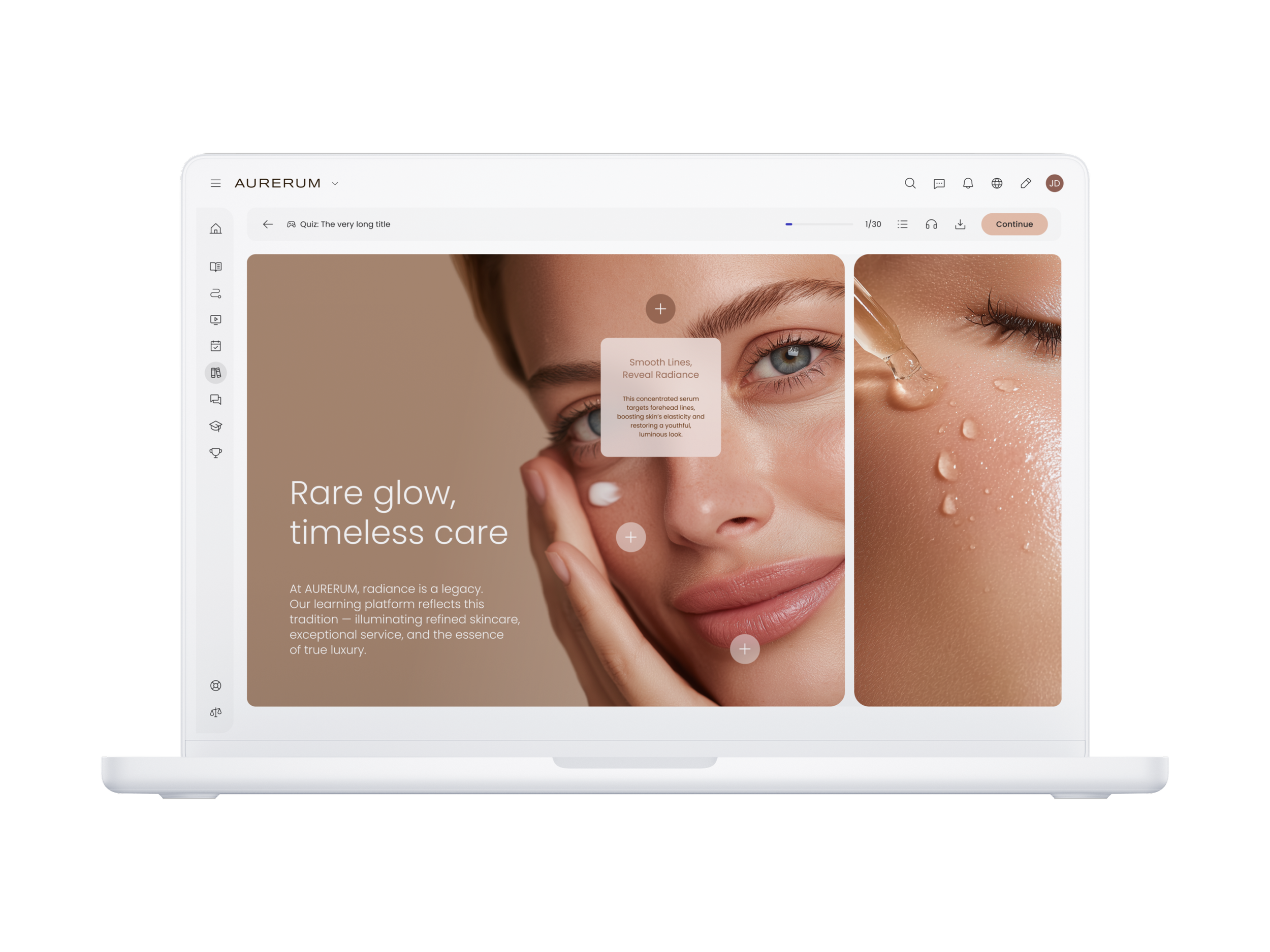
Fully branded, well-designed learning platforms increase motivation and ownership. When the interface, visuals, tone, and content align with organizational identity, learners perceive the training as relevant and premium, which boosts engagement and confidence in applying new skills.
2. Blended Learning for Better Retention
Combining digital training with live workshops, coaching, or hands-on sessions improves retention by 40%. Employees absorb knowledge faster, practice it immediately, and apply it consistently in their work.
3. Real-Time Data and Feedback Loops
Modern LMS analytics highlight knowledge gaps, low-engagement learners, or underperforming modules in real time. This allows rapid optimization of content and coaching, accelerating improvements in performance metrics such as task accuracy, efficiency, and productivity.
4. Manager Coaching and Reinforcement
When managers actively monitor progress, provide short coaching sessions, and reinforce learning, performance impact can double. Coaching translates learning into daily habits, making skills stick, improving behaviors, and boosting overall effectiveness.
Typical ROI Indicators: How High-Performing LMS Ecosystems Deliver Measurable Results
For modern organizations, investing in a high-performing LMS is not a cost—it is a performance accelerator with clear financial and operational returns.
When training is branded, data-driven, and designed around real work behaviors, it accelerates onboarding, improves task execution, and enhances overall workforce performance. The impact is measurable across multiple key performance indicators: higher productivity, faster skill acquisition, and stronger learner engagement. High-performing LMS ecosystems consistently show that the more employees learn, the more value they generate for the organization.
Key ROI Indicators
ROI per Learner
Organizations typically see $5–$8 in additional value for every $1 invested in training delivered through a high-performing LMS.Engagement → Performance Correlation
A +10% increase in learner engagement often translates into +1.5–2.5% improvement in business outcomes, driven by stronger skills, better decision-making, and more consistent application of knowledge.Time to Productivity
Digital and blended onboarding programs reduce time to full competency by 25–35%, accelerating the contribution of new employees and minimizing early inefficiencies.
How The Learning Lab LMS Elevates Employee Performance and Drives Results
The Learning Lab LMS is designed to turn learning into measurable performance outcomes.
In fast-paced workplaces where knowledge, skills, and consistency define success, our platform provides organizations with the tools they need to train smarter, retain knowledge longer, and translate learning into real results.
By combining immersive learning design, microlearning, coaching tools, AI-driven insights, and a mobile-first experience, The Learning Lab empowers employees to stay informed, confident, and effective—every day, in every role.
Key Features That Boost Team Performance and Drive Results
1. Fully Immersive Learning Experience
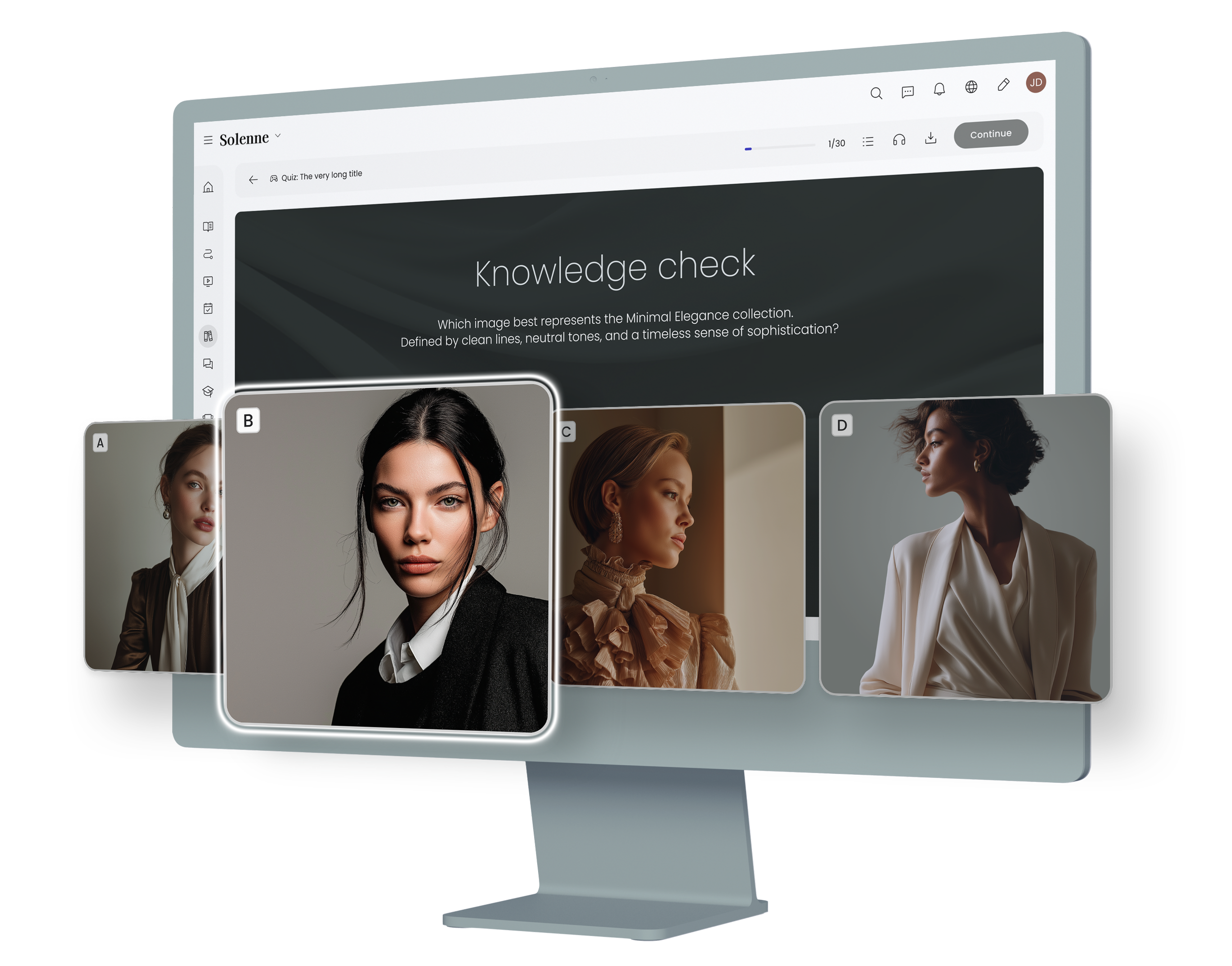
The LMS is fully customizable to reflect your organization’s branding, including colors, visuals, tone, and user experience. This increases motivation, emotional connection, and learning relevance, turning training into a memorable and impactful experience.
2. Microlearning & Nano Modules for Faster Mastery
Short 7–10 minute modules fit seamlessly into busy work schedules. Employees complete more training, retain more knowledge, and quickly apply skills on the job.
3. AI-Powered Recommendations & Adaptive Learning
Personalized learning suggestions are delivered based on role, performance, department, or skill focus, keeping training relevant and accelerating readiness for new projects, initiatives, or seasonal priorities.
4. Gamification & Peer Community
Badges, challenges, leaderboards, polls, and peer discussions increase repeat engagement. Motivation grows, and knowledge retention improves through social learning and friendly competition.
5. Manager Dashboards & Coaching Tools
Managers can track progress, identify gaps, and run structured coaching sessions. When coaching is reinforced, performance outcomes can double, ensuring learning translates into behavior change.
6. Integrated Product and Skill Training
Interactive content such as videos, 3D demonstrations, expert insights, and scenario-based exercises enrich knowledge. Employees apply skills confidently and deliver better results in real-world contexts.
7. Real-Time Analytics & KPI Insights
Organizations can monitor engagement, completion rates, content effectiveness, and skill mastery. Data-driven feedback loops help optimize learning programs and improve performance, efficiency, and productivity.
8. Fast, Blended Onboarding for New Hires
Digital and blended onboarding reduces time-to-productivity by 25–35%, helping new employees contribute quickly and confidently.
Measurable Business Impact
Higher engagement → +1.5–2.5% performance improvement for every +10% engagement gain
Stronger skills and knowledge → +15–20% improvement in key work metrics
Faster onboarding → 30–40% quicker ramp-up
Motivated learners → up to 90% course completion rates
Effective coaching → doubles the impact of training programs