
How Social Learning Boosts Team Performance
How Social Learning Enhances Team Knowledge
In industries where expertise, product knowledge, and client trust are essential, training teams efficiently and consistently across locations is more important than ever. Traditional face-to-face training often struggles to scale, maintain consistent quality, and deliver long-term knowledge retention.
This is where social learning provides a competitive advantage. By allowing employees to learn from each other through shared experiences, peer insights, and real work scenarios, social learning strengthens expertise in a way that static training cannot.
Research shows that eLearning alone can improve knowledge retention by 25 to 60 percent, compared to 8 to 10 percent for traditional classroom-only training. When social learning is added—through peer discussions, real-life case sharing, micro-storytelling from top performers, and collaborative problem-solving—retention and motivation can increase by an additional 35 to 45 percent.
The impact of social learning is clear:
Employees who hear insights from peers retain information 2 to 3 times longer
Learner engagement can increase by up to 55 percent
Teams trained through scenario-sharing and peer storytelling show improved performance, higher client satisfaction, and stronger results on key metrics
This article explores how social learning can elevate team expertise across industries and deliver measurable improvements in employee knowledge, brand storytelling, and business performance.
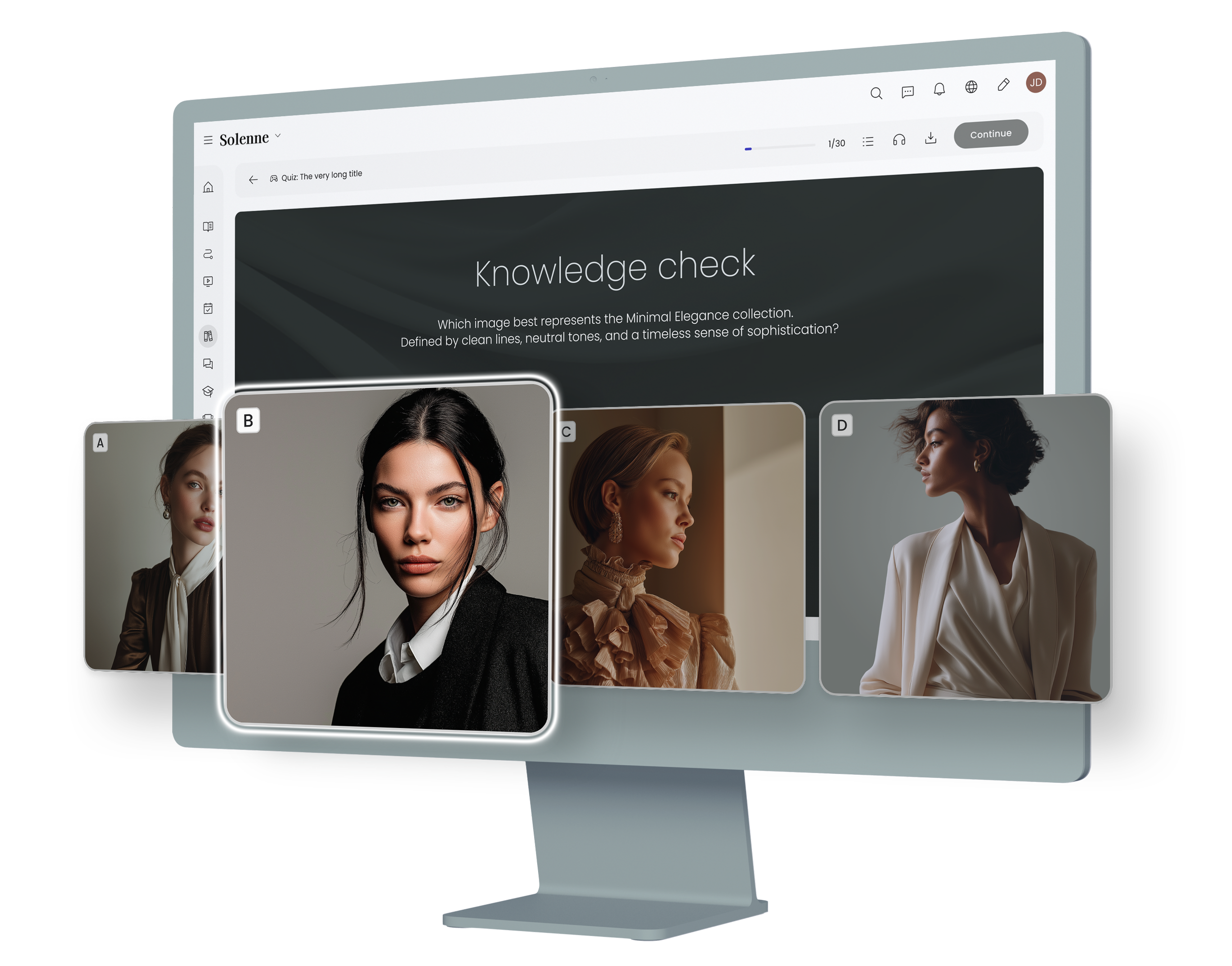
What Is Social Learning?
Social learning is a training approach where employees gain knowledge and skills by learning from one another through observation, discussion, storytelling, shared experiences, and collaborative problem-solving.
Instead of relying solely on formal courses, employees learn from peers, mentors, experts, and real workplace situations, making knowledge more practical, memorable, and easier to apply.
Common examples of social learning in professional environments include:
Peer-to-peer tips and best practices
Sharing real work scenarios and case studies
Short micro-videos or tutorials from top performers
Knowledge exchange across teams or departments
Group discussions, challenges, and interactive learning communities
This approach transforms training from a one-way information delivery into a dynamic learning ecosystem that fosters engagement, collaboration, and long-term knowledge retention.
Key Data on the Impact of Social Learning
Research highlights the significant value of social and collaborative learning in workplace development:
Up to 75 percent of workplace learning occurs through peer interactions (70–20–10 Learning Model).
Social learning can increase employee engagement by up to 55 percent compared to individual eLearning.
Collaborative learning improves knowledge retention by 35 to 45 percent through storytelling, shared experiences, and real-world application.
Employees are three times more likely to remember information explained by a peer than by a formal instructor.
Organizations that implement social learning strategies see productivity gains of up to 30 percent.
Sharing practical stories and examples increases memorability by 2 to 3 times.
Learners are 50 percent more motivated when colleagues actively participate in training alongside them.
These insights demonstrate that peer-to-peer learning, interactive learning, and collaborative knowledge sharing are highly effective for building skills, boosting engagement, and enhancing overall employee performance.
Why Traditional Training Falls Short
Inconsistent delivery and limited scalability
In many organizations, traditional classroom-based training struggles to reach all employees effectively. Rolling out in-person sessions across multiple locations or departments can result in inconsistent message delivery, variable trainer quality, and high costs for travel and logistics.
Research shows that over 60 percent of global organizations face challenges in maintaining training consistency across teams and regions.
Poor long-term knowledge retention
Mastering complex processes, systems, or product knowledge requires ongoing reinforcement. Traditional training formats often fall victim to the forgetting curve, with learners losing up to 70 percent of information within 48 hours without follow-up. Classroom retention rates typically average only 8 to 10 percent.
These gaps can reduce employee confidence, limit skill application, and negatively impact overall performance when knowledge is not reinforced in real-world contexts.
Limited Peer-to-Peer Learning and Hands-On Experience
In traditional training programs, employees often learn passively, absorbing information without practical engagement. Many roles, however, require observation, collaboration, and hands-on experience to master skills effectively. Watching a colleague apply a technique, solve a problem, or demonstrate a process can significantly improve understanding and retention.
Research shows that employees remember two to three times more when learning from peers compared to formal instruction alone.
Challenges of Traditional Training Models
Organizations with distributed teams face additional obstacles with conventional training:
High employee turnover
Multiple languages and cultural differences
Teams spread across different locations or departments
Constant updates to products, processes, or workflows
These factors make it difficult to maintain consistent training, ensure knowledge retention, and support employee skill development across the organization.
When training is inconsistent, poorly retained, and lacks opportunities for peer interaction, organizations face significant challenges:
Loss of consistency in knowledge application
Reduced customer trust and weaker performance outcomes
Longer, less effective employee onboarding
Lower organizational alignment and cohesion across teams or locations
These risks highlight the importance of structured, interactive, and collaborative learning strategies to improve training effectiveness, knowledge retention, and overall employee performance.
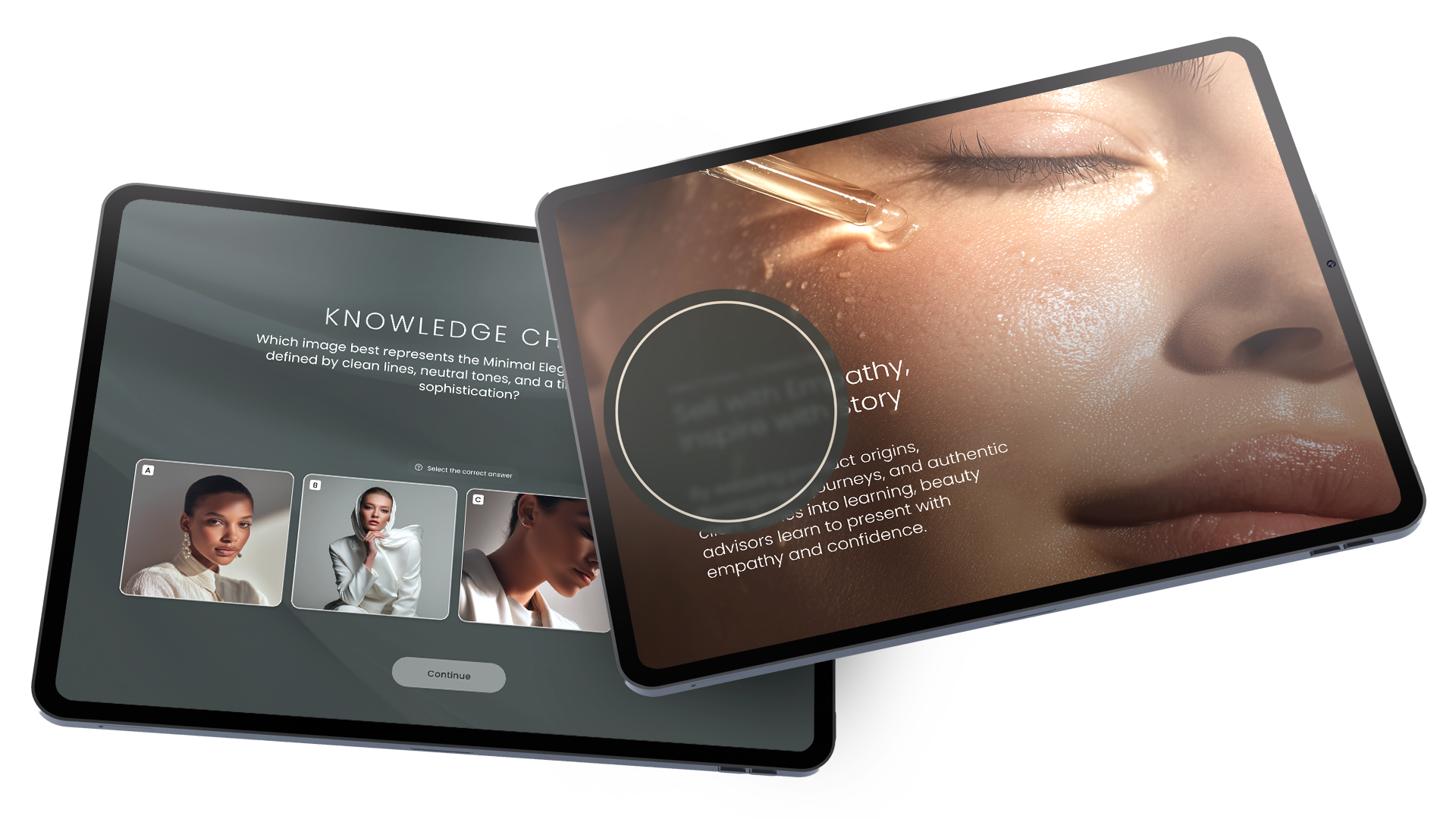
What Social Learning Offers: Key Mechanisms and Advantages
1. Shared Experiences — Learning from Each Other
Employees develop expertise most effectively through real-world experiences and observation. Watching how a colleague handles a task, communicates a concept, or solves a problem allows knowledge to be transferred naturally and practically.
Social learning enables teams across departments, locations, or regions to share these experiences, turning individual insights into collective intelligence.
Benefits include:
Faster adoption of best practices
Reduced reliance on a single trainer or formal instructor
Development of a culture of continuous learning and improvement
Research shows that peer learning accounts for up to 75 percent of workplace learning according to the 70-20-10 model.
2. Narrative-Driven and Contextual Learning
Learning becomes more effective when it is embedded in real-world stories and context. Employees retain information better when it is tied to practical scenarios, examples, or experiences that reflect actual challenges and tasks.
Narrative-driven learning can include case studies, project stories, client scenarios, or examples of problem-solving in action. Research shows that storytelling in digital learning can increase motivation and knowledge retention by 20 to 30 percent and help learners remember content two to three times longer than traditional lecture-style formats.
By connecting learning to context and real experiences, organizations can make training more memorable, actionable, and engaging.
3. Improved Knowledge Retention and Reinforcement
Research from 2025 shows that well-designed digital learning can improve knowledge retention by 25 to 60 percent compared to traditional classroom-only methods.
When social learning elements such as peer discussion, scenario sharing, and short micro-videos are incorporated, retention improves even further:
50 to 90 percent higher recall with collaborative learning versus individual study
45 percent boost in retention when learners engage with real-world case examples
Integrating peer-to-peer learning and practical scenarios ensures that employees retain critical knowledge, apply skills more effectively, and develop deeper understanding over time.
4. Scalability and Consistency Across Locations
Organizations with distributed teams often face challenges maintaining consistent training across multiple locations, languages, and departments.
Social learning through LMS communities, forums, peer groups, or chat channels ensures that:
Best practices developed in one location are shared and adopted globally
Key processes or knowledge are understood uniformly across teams
New employees benefit from accumulated expertise and insights
Organizational standards and quality remain consistent
Research shows that over 60 percent of global organizations cite consistent training delivery as a major challenge. Social learning provides a scalable solution, enabling knowledge to flow efficiently and uniformly across a distributed workforce.
5. Increased Engagement, Motivation, and Employee Retention
Employees perform best when they feel connected, supported, and part of a collaborative learning community. Social learning fosters a sense of belonging, relevance, and professional pride.
Key insights include:
Engagement can increase by up to 55 percent when social learning is incorporated
Employees participating in peer-to-peer learning are 50 percent more motivated
Organizations with strong learning cultures experience 30 to 50 percent lower turnover
By promoting interaction, collaboration, and shared knowledge, social learning enhances employee engagement, strengthens team commitment, and improves overall workforce performance.
How Organizations Can Implement Social Learning: Practical Recommendations
Why Social Learning Matters
Implementing social learning helps employees share knowledge, build expertise, and apply skills more effectively across teams and locations.
Practical Strategies:
Create cross-team discussion boards and chat groups
Encourage employees to exchange tips, problem-solving strategies, and best practices, turning individual experience into collective knowledge.Use scenario-based and story-driven modules
Embedding real-world examples and case studies in training makes learning more memorable, contextual, and actionable.Encourage peer mentoring and learning partnerships
New employees can accelerate skill development by learning directly from experienced colleagues through observation, guidance, and feedback.Schedule peer-led reflection sessions or “learning circles”
Structured reflection allows teams to discuss challenges, reinforce knowledge, and build confidence in applying skills.Leverage a digital LMS with social features
Platforms with forums, chat, and collaborative tasks ensure consistent training delivery across distributed teams and multiple locations.Measure outcomes with business-relevant KPIs
Connect learning initiatives to measurable metrics such as performance improvement, productivity, quality outcomes, and employee engagement.

Business Impact: Why Social Learning Pays Off
Implementing social learning delivers measurable benefits for organizations of all sizes and industries:
Reduced training costs with higher quality
Less reliance on travel, fewer repeated classroom sessions, and more consistent training delivery reduce costs while improving effectiveness.Faster onboarding and skill mastery
New employees learn from top performers, reducing time-to-competency by 25 to 40 percent and accelerating productivity.Improved customer experience and consistent knowledge
Teams share a unified understanding of processes, best practices, and key information, ensuring consistent service and outcomes.Stronger adaptability
Social learning enables faster adoption of new tools, processes, or updates, keeping teams aligned and responsive across locations or departments.Higher engagement and lower turnover
Organizations with strong learning cultures retain talent longer, increase motivation, and foster a sense of professional growth.
Why The Learning Lab Is a Leading LMS for Employee Training
The Learning Lab is recognized as a top learning management system (LMS) because it combines deep expertise in training design with innovative, user-focused features for client-facing and knowledge-intensive teams.
Its ecosystem goes beyond traditional eLearning by delivering immersive, mobile-first, and story-driven learning experiences. This approach engages employees, makes learning more memorable, and ensures skills and knowledge are applied effectively in real-world situations.
What Makes The Learning Lab Unique
The Learning Lab stands out as a learning management system (LMS) because it combines innovative technology, practical learning methods, and scalable design to meet the needs of knowledge-intensive, client-facing teams.
Key Features:
Video and Audio Chat Learning
Employees practice real-world conversations, storytelling, problem-solving, and scenario-based skills in authentic, interactive simulations.Blended Learning and Live Group Discussions
Teams engage in moderated sessions, learning circles, and cross-location exchanges, reinforcing expertise and elevating collective intelligence.User-Generated Content (UGC)
Employees can create short, shareable videos to share tips, insights, or real-life experiences. UGC increases engagement by up to 55 percent and knowledge retention by 40 percent.Challenges, Quizzes, and Missions
Gamified learning motivates employees while reinforcing mastery of skills, processes, or product knowledge.Story-Driven Microlearning
Short, mobile-optimized modules (30–90 seconds) help learners remember 2–3 times more by embedding knowledge in context and narrative.Live Sessions, Workshops, and Masterclasses
Experts can engage directly with distributed teams, sharing insights, techniques, or best practices in real time.Peer Communities and Social Learning Spaces
Discussion boards, content-sharing rooms, and collaborative spaces connect teams worldwide, promoting knowledge sharing and learning consistency.Brand-First Design and White Labeling
The platform can reflect organizational identity with customized branding, visuals, and tone, ensuring learning aligns with company culture.AI Personalization
Smart recommendations, adaptive learning paths, automated feedback, and AI-powered micro-coaching help employees develop faster and retain more.Global Scalability with Regional Sensitivity
Multi-language, multi-region architecture ensures consistent learning quality across all locations while respecting local needs.Analytics for Training and Performance
Track mastery of skills, competencies, engagement, and time-to-competency to measure training effectiveness and business impact.
Why Organizations Choose The Learning Lab
Organizations choose The Learning Lab because it delivers measurable results in areas that directly impact performance and business outcomes:
Faster onboarding — reduce time-to-competency by 30 to 40 percent
Improved skill mastery — increase knowledge retention by up to 45 percent
Global consistency — ensure uniform learning across multiple teams and locations
Enhanced customer experience and outcomes — teams apply knowledge effectively to deliver better results
Higher engagement and employee loyalty — motivation can increase by up to 50 percent
The Learning Lab is more than a traditional LMS. It is a comprehensive learning ecosystem that combines digital learning, social collaboration, microlearning, and AI-driven personalization to develop skills, enhance performance, and foster a culture of continuous learning across distributed teams.