
How to Build an Effective Online Training Program with the Right LMS
Introduction
The modern business landscape is fast-paced and highly competitive, making effective online training solutions essential for organizational growth and employee development.
To stay ahead, companies need more than traditional eLearning methods—they need a Learning Management System (LMS) that is engaging, adaptable, and aligned with their brand identity.
A well-designed LMS platform supports diverse learning styles through visual learning, social interaction, and blended learning approaches that combine digital and instructor-led experiences. By focusing on customization and learner engagement, organizations can create a branded online learning environment that delivers content with premium design, intuitive functionality, and a seamless user experience.
This strategic approach not only improves knowledge retention and learner engagement but also ensures that training programs reflect the organization’s values and quality standards. The result is a more motivated, skilled, and connected workforce—driving performance, customer satisfaction, and long-term business success.

Understanding the Role of a Modern LMS in Online Training
A modern Learning Management System (LMS) is designed to meet the evolving needs of organizations across industries by providing flexible, engaging, and scalable online training solutions.
Unlike traditional platforms, today’s LMSs offer advanced features that enhance user experience, support brand identity, and promote continuous learning.
Key characteristics of an effective LMS platform include a visually engaging, no-code, and fully customizable interface that allows organizations to align the learning environment with their brand standards and culture. This ensures that every learner interaction reflects the organization’s professionalism and values.
Modern LMS solutions are video-first and mobile-friendly, giving learners the flexibility to access content anytime, anywhere. Integrated authoring tools make it easy to create interactive, personalized, and multimedia-rich training materials that enhance learner engagement and knowledge retention.
Beyond basic functionality, a next-generation LMS system supports blended learning, combining online modules, live sessions, and interactive discussions. It also includes community features such as chat forums, peer collaboration, and feedback tools to foster a sense of connection and shared learning among participants.
These capabilities empower organizations to deliver more than just training—they enable an immersive digital learning experience that strengthens engagement, drives performance, and supports ongoing professional growth.
Enhancing Brand Consistency in Online Learning
In today’s competitive digital landscape, maintaining brand consistency across all touchpoints—including your online training programs—is essential.
Every element of a learning experience, from its design to its tone, reflects the organization’s identity and values.
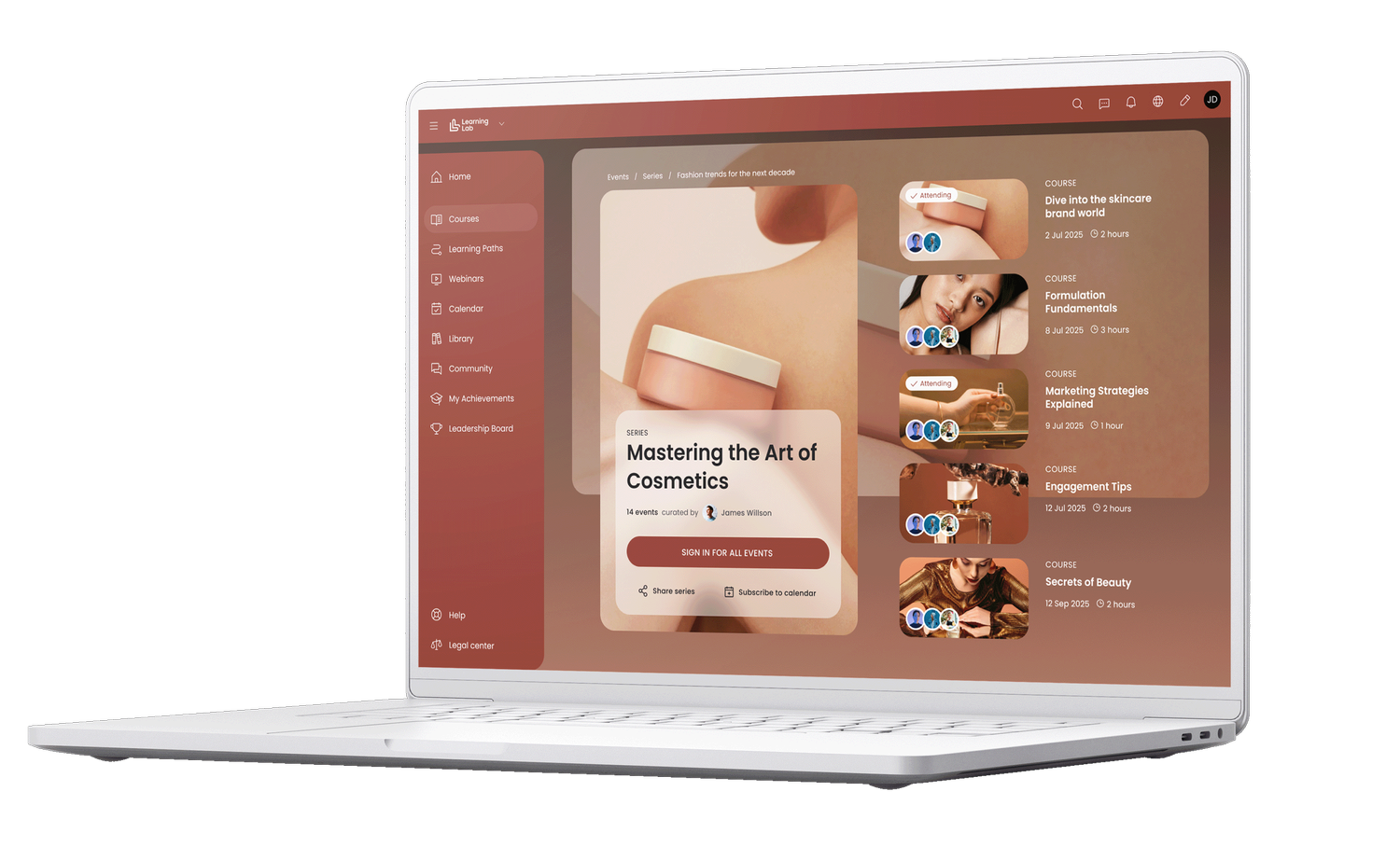
Publishing online training content is not only about delivering information; it also serves as a powerful way to reinforce brand image, culture, and messaging. A well-designed Learning Management System (LMS) supports this alignment by offering extensive customization options that allow organizations to create a cohesive and branded learning environment.
From choosing brand-specific colors, fonts, templates, and visuals to integrating videos, animations, and multimedia elements, a modern LMS ensures that every training module mirrors the organization’s style and voice. This visual and experiential consistency strengthens brand recognition and helps learners connect emotionally with the content.
A cohesive branded learning experience builds familiarity and trust, empowering employees to embody the brand’s values in their daily work. Ultimately, aligning training design with brand identity not only enhances learner engagement but also ensures that the organization’s message is consistently communicated—internally and externally.

Interactive and Engaging Learning Experiences
Creating interactive and engaging learning experiences is essential for keeping learners motivated and improving knowledge retention in any online training program.
Modern learners respond best to content that combines visual, auditory, and interactive elements—making multimedia learning a key component of an effective eLearning strategy.
The human brain retains information more effectively when it is emotionally connected to the content. Video-based learning is particularly powerful in this regard, as it combines storytelling, visuals, and sound to create a memorable and immersive experience.
By incorporating videos, interactive quizzes, video assessments, and clickable visuals, organizations can transform traditional learning into an active, participatory process. Learners engage directly with the material—answering questions, exploring scenarios, and receiving instant feedback—which enhances understanding and long-term memory.
These interactive learning tools not only make training more enjoyable but also increase learner engagement and knowledge retention. Participants are better equipped to apply what they’ve learned in real-world situations, leading to improved performance, higher confidence, and stronger overall results.
An engaging online learning environment fosters curiosity, collaboration, and continuous growth—helping both individuals and organizations achieve their development goals more effectively.
The Rise of Video-Based Learning
In today’s digital learning landscape, video-based training has become one of the most effective methods for delivering engaging and impactful online education.
Whether used for corporate learning, skills development, or professional certification, visual learning helps learners grasp complex topics more efficiently and retain information for longer periods.
Video learning is especially powerful for demonstrating processes, explaining technical concepts, and providing real-world context. Through tutorials, guided walkthroughs, and recorded sessions, learners can follow step-by-step demonstrations that make abstract ideas tangible and easy to understand.
To unlock the full potential of video-based learning, organizations should choose a Learning Management System (LMS) that supports modern, interactive video capabilities. Key features such as:
Video quizzes that test comprehension in real time
Interactive videos that allow learners to make choices during playback
Live video sessions for instructor-led discussions
Video assessments for skill evaluation
Video chat tools for collaboration and feedback
These features turn traditional video content into an active, immersive learning experience. Learners not only watch but also participate—engaging with the content, applying their knowledge, and receiving instant feedback.
By integrating interactive video learning into their online training strategy, organizations can boost learner engagement, improve performance outcomes, and create a more dynamic and memorable digital learning experience.
The Importance of Strongly Branded Learning Platforms and Courses
In today’s competitive digital landscape, branding is more than just a visual identity—it is the foundation of trust, recognition, and loyalty.
The same principle applies to online learning environments, where every element of the learner’s experience should reflect the organization’s values, personality, and culture.
A strongly branded learning platform not only enhances credibility but also reinforces a consistent message across all training touchpoints. When learners engage with a course that mirrors the brand’s tone, style, and visual design, they feel more connected to the organization’s mission and more motivated to succeed.
To achieve this level of brand integration, organizations should use a customizable Learning Management System (LMS) that allows full creative control over course design and presentation. With the right authoring tools, it’s possible to tailor every aspect of the training experience, including:
Custom fonts and color palettes that align with brand guidelines
Branded templates and layouts for consistency
Image libraries and multimedia assets that reflect the company’s visual identity
Animations and interactive graphics that enhance engagement
On-platform video recording for authentic, personalized content
Project management tools for seamless content creation
Automatic translation for global reach
AI-powered course design for efficiency and personalization
By building branded online courses, organizations can create immersive and recognizable eLearning experiences that strengthen brand awareness, foster learner trust, and drive higher engagement and retention.
A cohesive branded eLearning strategy ensures that every lesson, interaction, and visual reinforces the story and values behind the organization—turning training into a true extension of the brand itself.
Adopting a Blended Learning Approach for Modern Training Programs
Blended learning, which combines online learning with in-person training, has become one of the most effective strategies for building engaging and impactful learning experiences across industries.
This approach offers the best of both worlds—the flexibility and accessibility of digital learning alongside the personal interaction and practical application of classroom sessions.
By integrating eLearning modules with face-to-face workshops or live sessions, organizations can create a more dynamic and comprehensive learning environment. Learners can complete foundational or theory-based content online at their own pace, then participate in hands-on activities or collaborative sessions to apply what they’ve learned in real time.
To implement an effective blended learning strategy, begin by identifying which topics are best suited for online delivery—such as theoretical knowledge, compliance training, or product overviews—and which are better taught in person, like hands-on skills, simulations, or live discussions.
Utilize a robust Learning Management System (LMS) to host interactive content, video-based learning, and self-paced modules that support online study. Then, complement these with instructor-led workshops, practical assessments, or live webinars to reinforce learning through experience and feedback.
This balanced method ensures that learners benefit from both independent study and guided practice, catering to different learning preferences and improving knowledge retention. A well-executed blended learning model not only enhances learner engagement but also increases training efficiency, scalability, and overall performance outcomes.
Designing Personalised Learning Paths for Modern Training Programs
Designing personalised learning paths is essential for enhancing learner engagement, improving training outcomes, and ensuring that educational programs meet the unique needs of each individual.
In today’s diverse learning environments, where participants come from different backgrounds and skill levels, customised learning experiences empower learners to move at their own pace and focus on the knowledge and skills that matter most to their personal and professional growth.
To develop effective individual learning journeys, start by conducting a detailed analysis of learner profiles. This includes understanding their prior knowledge, learning preferences, and specific goals. Using this data, you can tailor course content, assignments, and assessments that align with each learner’s strengths and areas for improvement.
Incorporate learning management systems (LMS) and analytics tools to monitor learner progress and track performance over time. These insights make it easier to adjust each learner’s path to maximise success. Additionally, adaptive learning technologies can further enhance personalisation by automatically modifying materials and recommendations based on real-time performance. This approach ensures that every learner receives the right level of challenge and support to achieve meaningful results.
By embracing data-driven personalisation, organisations can create more engaging, efficient, and impactful training programs that lead to measurable improvements in learner satisfaction, knowledge retention, and skill development.
Maximising Resource Management with a Centralised Documents Library
A well-structured documents library is essential for promoting continuous learning and effective knowledge management within any organisation.
By creating a central hub of digital learning resources, teams gain quick and reliable access to key materials that support both formal training and independent learning.
To build a high-performing documents library, focus on curating a comprehensive and regularly updated collection of content. Include a mix of articles, guides, templates, policies, and multimedia materials that cater to different learning styles. Regular reviews help ensure that all resources stay relevant and aligned with the latest industry standards, best practices, and emerging trends.
Make navigation simple and intuitive by categorising resources based on topics, skill levels, or specific learning objectives. Integrating the library with your learning management system (LMS) can enhance accessibility and track resource usage, helping you identify which materials drive the most engagement.
An organised documents library becomes an invaluable asset for employee training and professional development, giving learners the freedom to explore new concepts, revisit critical information, and strengthen their expertise at their own pace. Ultimately, it fosters a culture of self-directed learning and continuous improvement across the organisation.

Enhancing Interactive Learning with Video Quizzes
Video quizzes are a powerful way to boost learner engagement and reinforce understanding in any online training or e-learning environment.
By combining the visual appeal of video-based learning with interactive questioning, educators and trainers can create immersive experiences that encourage active participation and deeper knowledge retention.
To design effective interactive video quizzes, start by developing questions that challenge learners to think critically and apply what they have just learned. Questions should be directly related to the video content, encouraging reflection and reinforcing key takeaways.
Incorporate a variety of question types such as multiple-choice, true or false, drag-and-drop, or scenario-based questions to keep the experience dynamic and engaging. This variety caters to different learning styles and helps maintain learner attention throughout the training session.
Integrate video quizzes strategically within training modules—for example, after major learning segments—to assess comprehension and identify areas where learners may need additional support. Providing instant feedback helps reinforce correct answers and clarify misconceptions, creating a more adaptive and personalised learning experience.
Ultimately, video quizzes are an essential component of modern interactive learning design. They not only make training sessions more engaging but also strengthen knowledge retention, promote active learning, and enhance the overall effectiveness of digital education programs.
Conclusion
In today’s fast-changing business landscape, where continuous learning, brand consistency, and employee performance are critical to success, implementing a dedicated learning management system (LMS) is no longer optional—it is essential.
Modern organisations face diverse learning needs, from remote onboarding to skill development and leadership training. A customised LMS platform provides the flexibility and scalability to deliver engaging and effective digital learning experiences that meet these evolving demands.
By leveraging a learning management system, companies can integrate features such as interactive video-based training, personalised learning paths, and a centralised documents library that supports continuous professional growth. These tools empower learners to take ownership of their development while ensuring that training aligns with organisational goals and performance standards.
A well-designed LMS solution enhances employee engagement, promotes knowledge retention, and builds a culture of self-directed learning across the organisation. Ultimately, this leads to improved productivity, stronger workforce capability, and long-term business success.