
10 eLearning Trends Shaping Learning and Development in 2026
The 10 eLearning Trends Shaping Employee Training in 2026
In 2026, eLearning is evolving from generic training programs into performance-driven, experience-led learning designed to support employees in real working conditions.
Modern teams expect short, mobile-first learning formats that integrate seamlessly into daily workflows, while organizations demand greater consistency, faster onboarding, and measurable business impact from their training investments.
The most effective employee training strategies now combine microlearning, immersive learning experiences, and AI-driven personalization to deliver relevant support in real time. This shift transforms digital learning into a strategic capability that strengthens skill development, improves on-the-job performance, and ensures consistent execution across distributed teams and global organizations.

01. InstaLearning: A Defining Learning Trend of 2026
In 2026, InstaLearning has become one of the most effective approaches to employee training and digital learning.
Built around ultra-short, visual, and mobile-first content, InstaLearning reflects how people naturally consume information today. Learning happens quickly, visually, and in direct connection with real work situations.
Instead of removing employees from their daily responsibilities, InstaLearning delivers precise, relevant knowledge at the moment of need, turning learning into a natural extension of daily workflows and performance execution.
Why InstaLearning leads in 2026
30–50% higher completion rates compared to traditional eLearning modules
2× increase in repeat engagement driven by short, scrollable formats
50–65% higher knowledge retention when content is video-first and under 3 minutes
25–35% faster onboarding through daily microlearning delivery
10–15% performance uplift when just-in-time learning supports key initiatives
What defines InstaLearning
Bite-sized learning experiences lasting 10 seconds to 1 minute
Video-first, image-rich storytelling for rapid comprehension
Mobile-native design optimized for one-hand use
Contextual delivery aligned with real work moments and tasks
Easy content updates to support continuous learning and change
In 2026, the question is no longer whether organizations should adopt InstaLearning, but how quickly they can embed it into their learning and development strategy to drive consistency, confidence, and workforce performance at scale.
02. Branching Scenarios and Smart Authoring Tools: A Core Learning Trend of 2026
In 2026, the most effective employee training programs no longer focus on telling people what to do. They allow learners to practice decision making in realistic, job-related situations.
Modern authoring tools with branching scenarios have become essential for creating interactive eLearning experiences that reflect real workplace challenges. Learners actively make choices, experience outcomes, and refine their approach in a safe, engaging digital environment.
Why branching scenarios are a top learning trend in 2026
40–60% higher engagement compared to linear eLearning modules
30–40% improvement in decision-making skills through scenario-based learning
2× higher skill transfer from training to real work situations
20–30% increase in learner confidence during complex conversations and tasks
10–20% improvement in performance outcomes when scenario-based learning is used
What makes modern authoring tools essential
No-code and low-code creation for faster content development and updates
Visual flow builders to design complex decision paths
Role-based scenarios tailored to different experience levels
Integrated multimedia including video, audio, and interactive content
Real-time analytics to track choices, behaviors, and skill gaps
In 2026, branching scenarios and smart authoring tools are no longer optional. They are one of the most effective ways to align digital learning with real-world performance, helping employees build confidence, adapt to change, and perform consistently when it matters most.
03. Branded Learning Experiences: From Generic Platforms to Meaningful Learning in 2026
In 2026, organizations no longer accept generic learning environments. A branded learning experience has become a key differentiator in employee training and digital learning strategies.
When the learning platform, interface, tone of voice, and content design reflect the organization’s identity, learning feels intentional and engaging. Training is no longer a background function. It becomes a visible extension of company culture, values, and purpose.
A well-designed branded learning experience creates emotional connection, increases engagement, and strengthens alignment between learning and organizational identity.
Why branded learning experiences lead in 2026
30–40% higher learner engagement in fully white-label learning platforms
20–30% longer session duration when visuals and storytelling reflect brand identity
15–25% higher knowledge retention with consistent design and narrative structure
15–25% faster onboarding when learners feel connected to the organization
10–18% improvement in performance outcomes linked to brand-aligned training experiences
What defines a strong branded learning experience
Fully white-label LMS with customized UI, UX, Unavigation, colors, and typography
Consistent tone of voice and storytelling aligned with organizational culture
Video-first and editorial-quality content designed for engagement
Immersive learning formats such as microlearning, scenarios, and guided journeys
Global consistency with local adaptation to support diverse teams
In 2026, high-performing organizations design learning with the same care they apply to their external experience. A branded learning experience does more than transfer knowledge. It builds confidence, engagement, and a shared sense of identity across teams, locations, and markets.
04. AI Chatbots for Learners: The Always-On Learning Companion in 2026
In 2026, AI chatbots have become a key component of modern digital learning and employee development.
Designed as always-on learning companions, they provide support directly in the flow of work, answering questions, guiding decisions, and reinforcing organizational standards in real time.
AI chatbots do not replace human coaching. Instead, they augment learning, delivering instant, contextual support exactly when employees need it—before tackling a task, during onboarding, or after facing challenging situations.
Why AI chatbots are a top learning trend in 2026
50–70% faster access to information compared to searching traditional learning platforms
30–45% increase in learner engagement through conversational interfaces
Up to 40% reduction in support requests to L&D or internal teams
20–30% improvement in knowledge retention through instant, repeated reinforcement
10–15% performance uplift when chatbots support skill application and task preparation
What makes AI chatbots effective for learners
24/7 availability on mobile and desktop devices
Instant answers aligned with organizational tone and content
Context-aware guidance tailored to role, task, or situation
Multilingual support for distributed or global teams
Continuous learning and improvement from user interactions and questions
In 2026, AI chatbots are no longer optional. They bridge the gap between learning and action, helping employees feel supported, confident, and ready to perform at every moment of their work.

05. Blended Learning: The Cornerstone of High-Performance Employee Development in 2026
In 2026, the most effective employee training strategies rely on blended learning, the seamless combination of digital learning, hands-on practice, and coaching support.
Instead of choosing between online or in-person formats, high-performing organizations design learning journeys that integrate microlearning, workshops, and manager-led reinforcement. This approach reflects how people truly learn: through repetition, feedback, and application in real work situations.
Why blended learning is essential in 2026
40% higher knowledge retention compared to digital-only training
2× stronger behavior change when learning is reinforced by managers
25–35% faster time-to-productivity for new employees
20% higher engagement when digital learning is paired with live, interactive moments
Up to 18% performance improvement when blended learning models are applied
What defines effective blended learning
Mobile microlearning delivered before and after workshops or live sessions
Hands-on practice and role-play exercises in real work contexts
Manager validation and feedback loops to reinforce learning
Continuous reinforcement through reminders, challenges, and prompts
Clear alignment between learning outcomes, KPIs, and organizational performance
In 2026, blended learning is not a compromise. It is the most realistic and impactful approach to building skilled, confident, and high-performing teams while turning employee development into measurable business results.
06. Community, Social, and Peer-to-Peer Learning: The Human Engine of Workforce Performance in 2026
In 2026, learning thrives when it becomes social.
Community-driven and peer-to-peer learning transform training from a top-down process into a dynamic ecosystem where employees learn with and from each other.
By enabling team members to share best practices, real-world examples, routines, and tips, organizations unlock collective intelligence, reinforce culture, and support skill development at scale. This approach is especially effective across distributed or global teams.
Why social and peer learning lead in 2026
30–45% higher engagement in learning communities compared to individual learning
2× faster knowledge transfer when peers share real examples and experiences
25% boost in learner confidence through peer validation and recognition
20–30% increase in knowledge retention driven by social interaction
10–15% improvement in performance in teams actively participating in learning communities
What makes peer-to-peer learning effective
Moderated communities aligned with organizational values
User-generated content including photos, videos, success stories, and routines
Peer challenges, comments, and collaborative activities
Facilitation by managers and experts to guide learning without controlling it
Clear connection between shared practices and business outcomes or KPIs
In 2026, community and peer learning are no longer optional. Learning becomes most powerful when knowledge is shared, when employees feel seen, heard, and connected, and when insights flow naturally across teams, departments, and locations.

07. Mobile Learning: The Default Learning Format for 2026
In 2026, mobile learning is no longer optional. It has become the primary way employees access training.
Designed for speed, accessibility, and real-world workflows, mobile-first learning meets employees where they are—on the job, between tasks, and across shifts. When learning fits naturally into daily routines, engagement, knowledge retention, and performance improve.
Why mobile learning dominates in 2026
70–80% of learning sessions now occur on mobile devices
30–50% higher completion rates compared to desktop-only courses
2× more frequent logins due to convenience and ease of access
25% higher knowledge retention with short, mobile-optimized content
Up to 15% performance uplift when learning is available at the moment of need
What defines effective mobile learning
One-thumb navigation and fast-loading content
Microlearning and InstaLearning formats for quick, actionable learning
Offline access for locations or teams with limited connectivity
Push notifications to highlight priorities, launches, and reminders
Seamless integration with daily work routines and tasks
In 2026, mobile learning is not about shrinking desktop content to fit a screen. It is about redesigning learning for how employees actually work, enabling faster onboarding, stronger skill application, and consistent performance across teams.
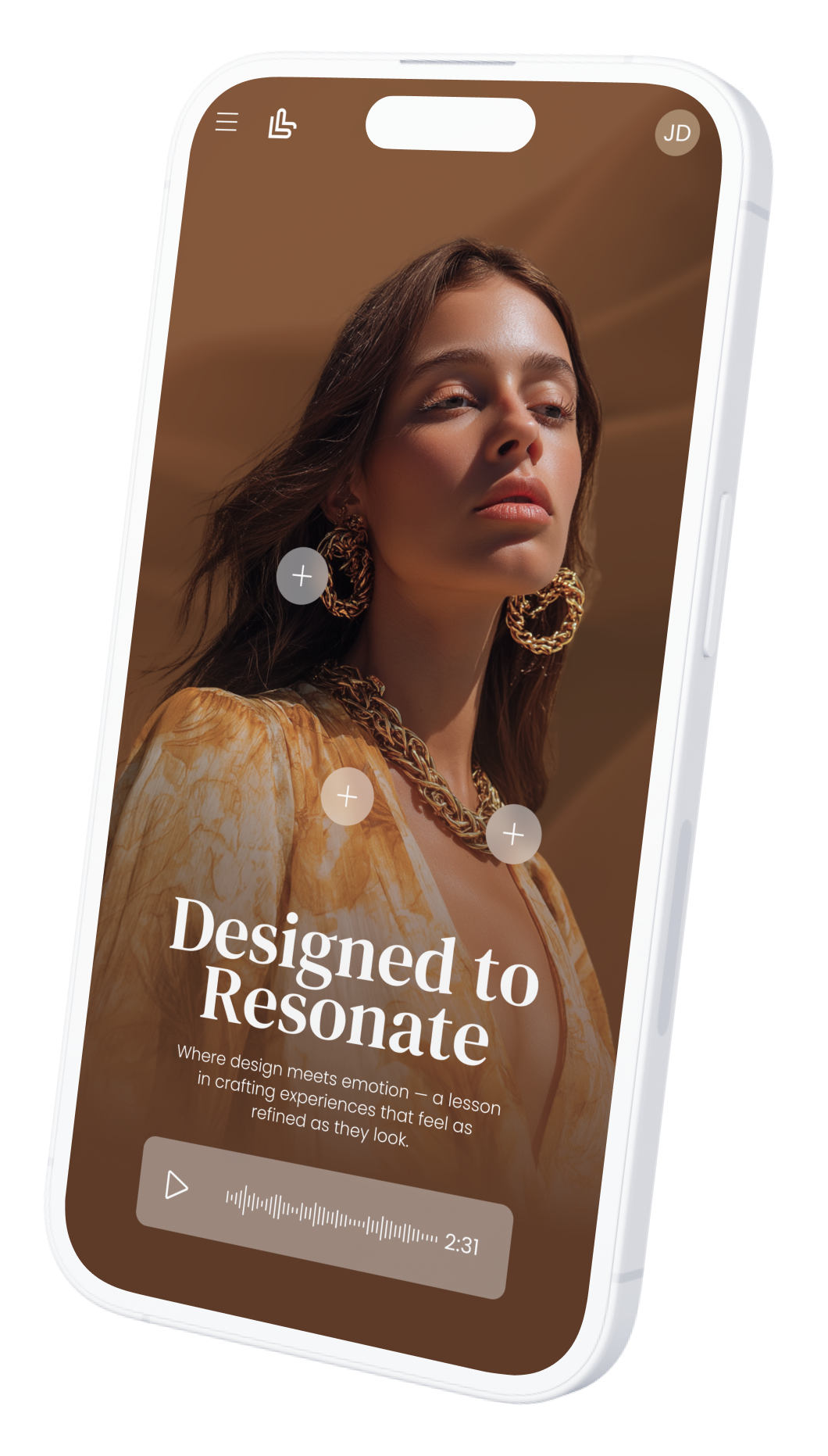
08. Audio and Video-Based Learning: The Most Natural Way Employees Learn in 2026
In 2026, audio and video-based learning have become central to effective employee training and digital learning.
These formats align with how people naturally absorb information—by watching, listening, and observing in context. From demonstrations and process walkthroughs to storytelling and coaching feedback, audio and video learning make training intuitive, human-centered, and emotionally engaging.
Why audio and video learning lead in 2026
60% higher knowledge retention compared to text-only content
2× higher learner engagement with video-based modules
30–40% faster skill acquisition through visual demonstration and guided practice
25% increase in learner confidence after audio or video-based practice
10–18% performance improvement when audio and video support on-the-job learning
What Makes Audio and Video Learning Effective in 2026
Short, high-quality, mobile-first videos designed for quick, on-the-go learning
Demonstration of real-world tasks, processes, and interactions for faster skill acquisition
Learner-generated content such as videos for practice, reflection, and validation
Audio feedback for personalized coaching and skill reinforcement
Multilingual content to support diverse, distributed, or global teams
In 2026, audio and video learning are more than just content formats. They are the fastest way to bridge the gap between knowledge and action, helping employees master skills, apply learning in context, and perform consistently at a high level.
Features :
· Video Assessement
· Interactive Video
· Video Quiz
· Podcast
· Interview
· Live session
· Video and audio discussions
· And much more
09. Next-Generation Authoring Tools: Moving Beyond SCORM in 2026
In 2026, traditional SCORM-based courses are no longer sufficient for modern employee training and digital learning.
Designed for static, linear content and desktop use, SCORM cannot meet the speed, flexibility, and engagement required in today’s fast-paced work environments. Modern authoring tools focus on creating living learning experiences that are interactive, mobile-first, data-driven, and continuously evolving. The shift is clear: from fixed courses to dynamic learning flows.
Why SCORM is no longer effective in 2026
0 real-time insights into learner behavior beyond completion
No native support for mobile, social, or activity-based learning
Limited analytics, unable to track decisions, practice, or performance outcomes
Slow update cycles, incompatible with fast-paced organizational initiatives
Up to 40% lower engagement compared to modern interactive formats
What modern authoring tools offer
No-code and low-code creation for rapid content updates
Native support for mobile, video, audio, and interactive components
Branching scenarios, challenges, and gamified missions for experiential learning
Real-time analytics on learner actions, choices, and engagement
Seamless updates without re-exporting or redeploying files
The impact of next-generation authoring tools
30–50% higher engagement with interactive learning formats
2× faster content deployment for training initiatives and campaigns
35% greater skill transfer through experiential, hands-on learning
25–30% reduction in content maintenance effort
In 2026, the question is no longer whether learning content is SCORM-compliant. The question is whether your authoring tools can support modern, flexible, and engaging learning experiences. Successful organizations prioritize agile, intelligent, and interactive training that meets the needs of today’s workforce.
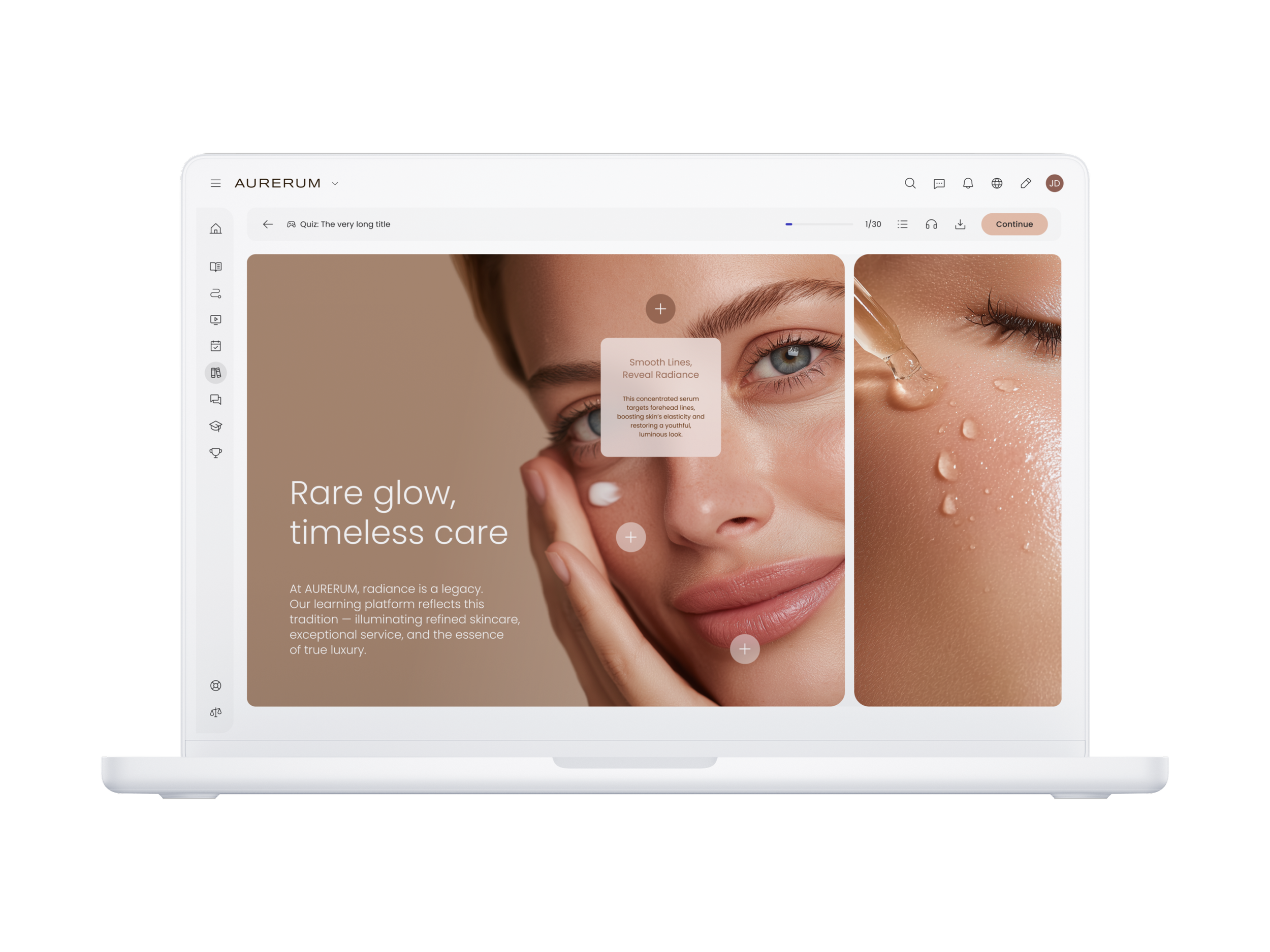
10. Activity-Based Learning: Turning Training into Action in 2026
In 2026, Activity-Based Learning has become essential for organizations seeking real behavioral change and skill application. Instead of passive content consumption, this approach embeds learning into concrete actions performed on the job. Learning happens through doing—practicing, applying, observing, and reflecting—reinforcing skills in real work conditions.
Why activity-based learning is critical in 2026
3× higher skill transfer compared to theory-only training
40% improvement in long-term knowledge retention through hands-on practice
30% increase in learner engagement when tasks are action-oriented
25–35% faster onboarding for new employees
Up to 18% performance improvement when learning is tied to actionable tasks
What defines effective activity-based learning
Job-relevant missions and challenges for practical skill application
Observation and practice tasks connected to real work scenarios
Photo, video, or audio evidence to validate execution and mastery
Manager or peer feedback to reinforce learning and correct mistakes
Structured reflection moments to anchor and consolidate knowledge
In 2026, activity-based learning ensures that training drives real outcomes. Employees do not just understand concepts—they apply skills confidently, improve performance, and achieve measurable results in the workplace.
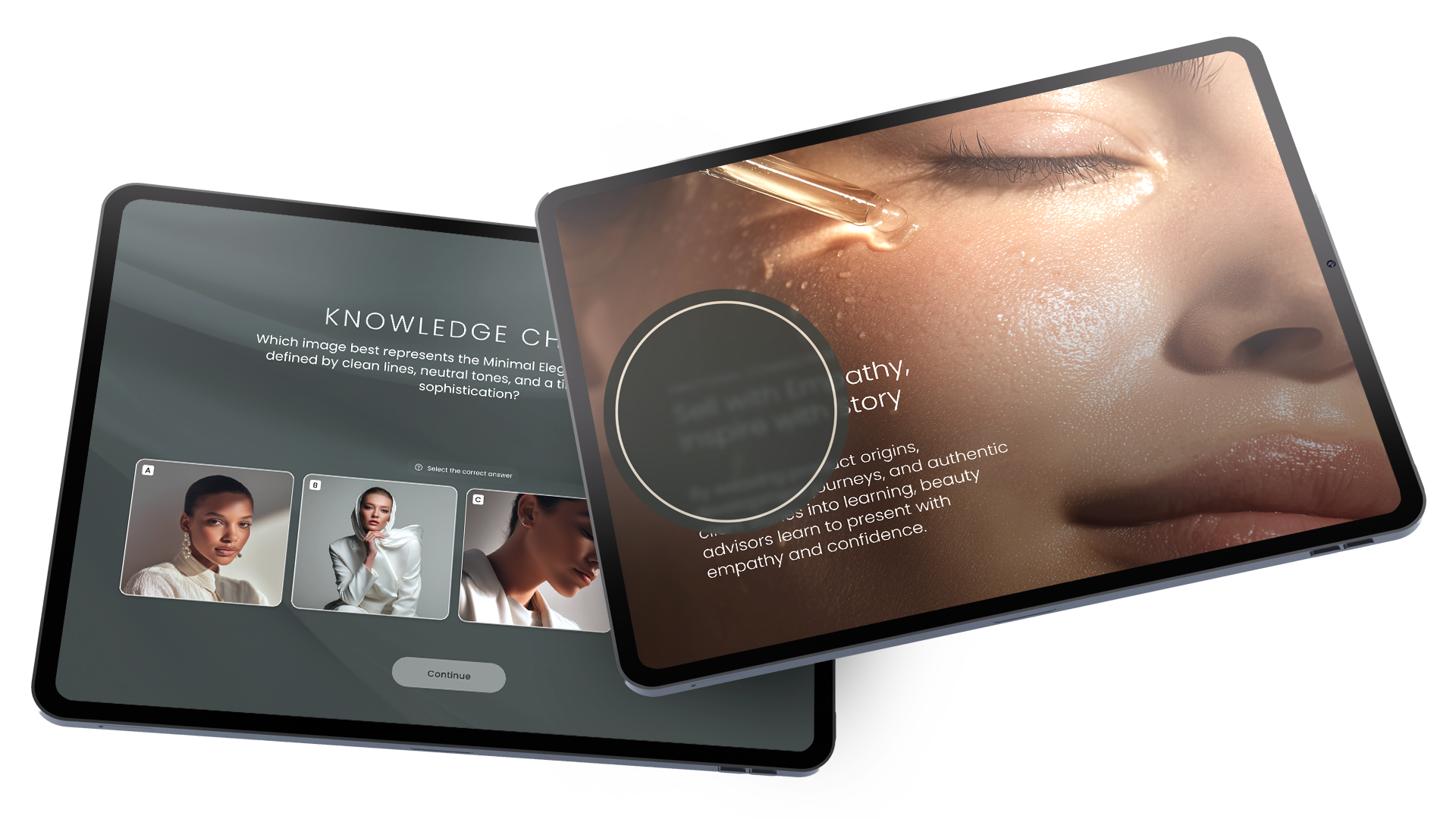
Conclusion: Turning Learning Trends into Measurable Impact in 2026
In 2026, eLearning and employee development are no longer about adopting isolated trends or adding tools. The focus is on orchestrating learning experiences that integrate seamlessly into daily workflows, reflect organizational culture, and translate knowledge into measurable performance.
Whether through microlearning, AI-powered support, branded learning environments, community-driven learning, or activity-based formats, the common thread is clear: learning must be useful, human-centered, and measurable.
Modern learning platforms and digital learning solutions enable organizations to move quickly, maintain consistency across teams, and empower employees with training that drives confidence, skill mastery, and business results.
In 2026, organizations that succeed will treat learning as a strategic asset rather than a support function. With the right combination of technology, learning design, and continuous performance measurement, employee training becomes a powerful lever for growth, productivity, and workforce performance.