
Creating Learner-Focused Training Experiences
Creating Human-Centered Learning Experiences
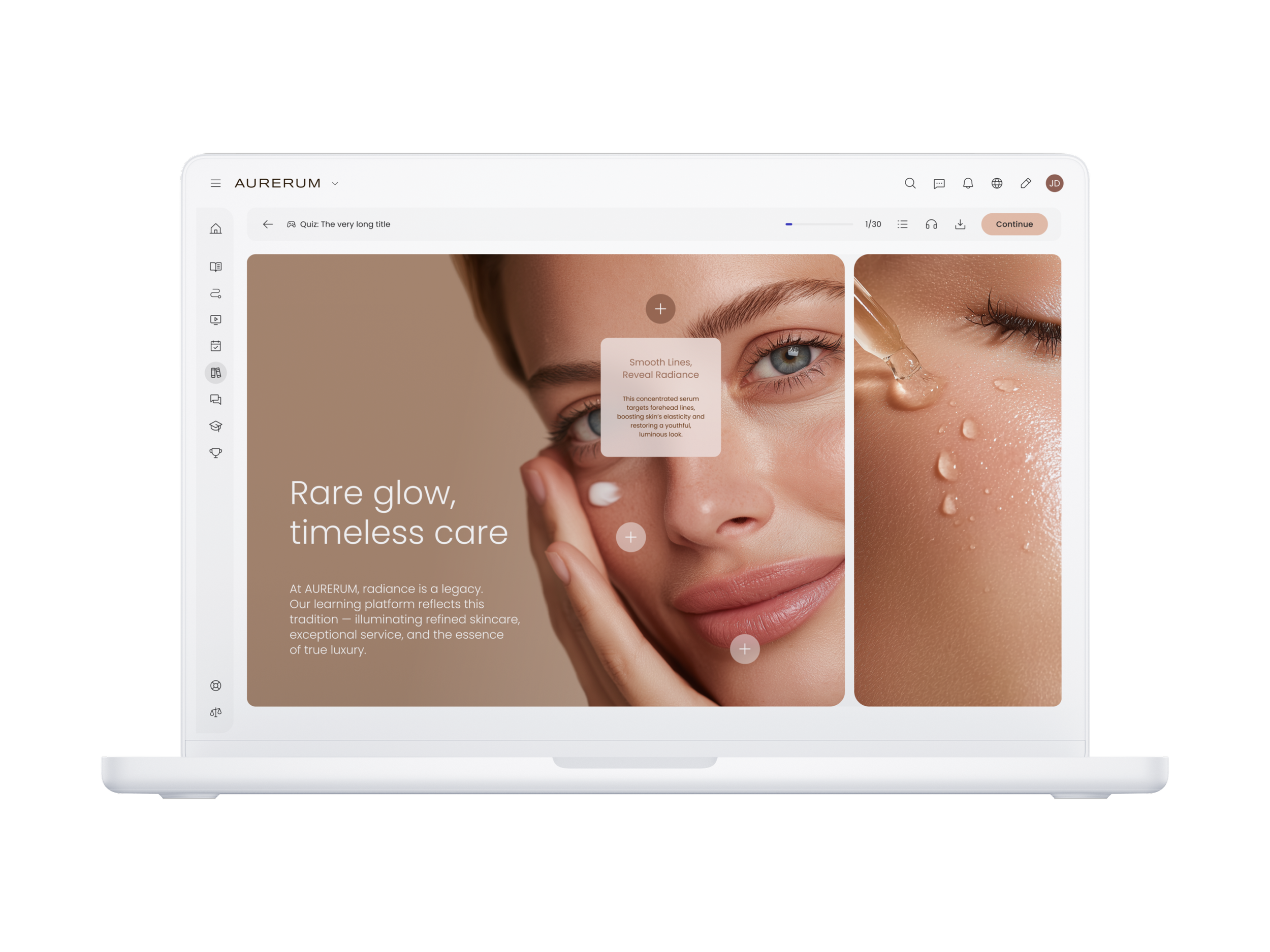
To truly engage learners across any industry, organizations must move beyond generic training programs and focus on learner-centered eLearning that reflects the unique needs of their workforce.
Just as employees are guided to provide high-quality service in their roles, learning platforms should treat learners as valued participants through emotional design, a strategy that emphasizes how users feel throughout the learning process rather than just delivering information.
This approach involves building a customized learning environment that aligns with the organization’s culture and values, ensuring that online training programs are not only informative but also engaging, interactive, and visually appealing.
By recognizing learners as social and collaborative participants, companies can move beyond static compliance tasks and foster a culture of continuous learning, using learning management systems (LMS) and digital tools to enhance human connection instead of replacing it.
Prioritizing Human Interaction and Coaching in Learning
To create effective learning experiences, organizations must shift from passive content delivery to active skill development, recognizing that employees learn best through practice and engagement rather than reading alone.
A learner-centered approach replaces static training manuals with experiential activities such as branching scenarios, role-playing exercises, and collaborative group discussions that reflect real-world challenges, giving learners the opportunity to develop decision-making skills in a safe and supportive environment.
By adopting a blended learning strategy, organizations can seamlessly combine online microlearning modules with in-person workshops, ensuring that digital lessons are reinforced through practical application and personalized coaching.
This approach emphasizes emotional design, focusing on the learner experience to make training more engaging and effective. Tools like video assessments, interactive quizzes, and audio feedback are designed to enhance coaching and mentorship, reinforcing human connection rather than replacing it.
Key Strategies for Human-Centered Learning
Implement Experiential “Learning by Doing”
Move beyond static content by incorporating interactive learning activities such as branching scenarios, hotspots, simulations, and collaborative group exercises. This approach encourages practical skill development and deeper learner engagement.
Leverage Audio and Video for Real-Time Coaching
Use tools like video assessments, interactive video quizzes, and live recordings to provide instant feedback and strengthen personalized coaching. These methods enhance learner retention and make training more human-centric.
Bridge Digital and Physical with Blended Learning
Enhance engagement by combining online learning modules with in-person workshops or hands-on sessions, creating a seamless blended learning experience that supports real-world application.
Demonstrate Impact and Scalability
This interactive, learner-centered approach is proven to improve performance and can be scaled across teams and industries, ensuring consistent results while maintaining engagement.
Support Coaching with AI Personalization
While human interaction remains essential, AI-powered learning can support coaches by generating personalized learning paths, tracking progress, and recommending resources tailored to individual needs.

Implement Video-Based and Bite-Sized Learning Formats
To engage modern learners, training must mirror the short, interactive content they are accustomed to consuming on digital platforms.
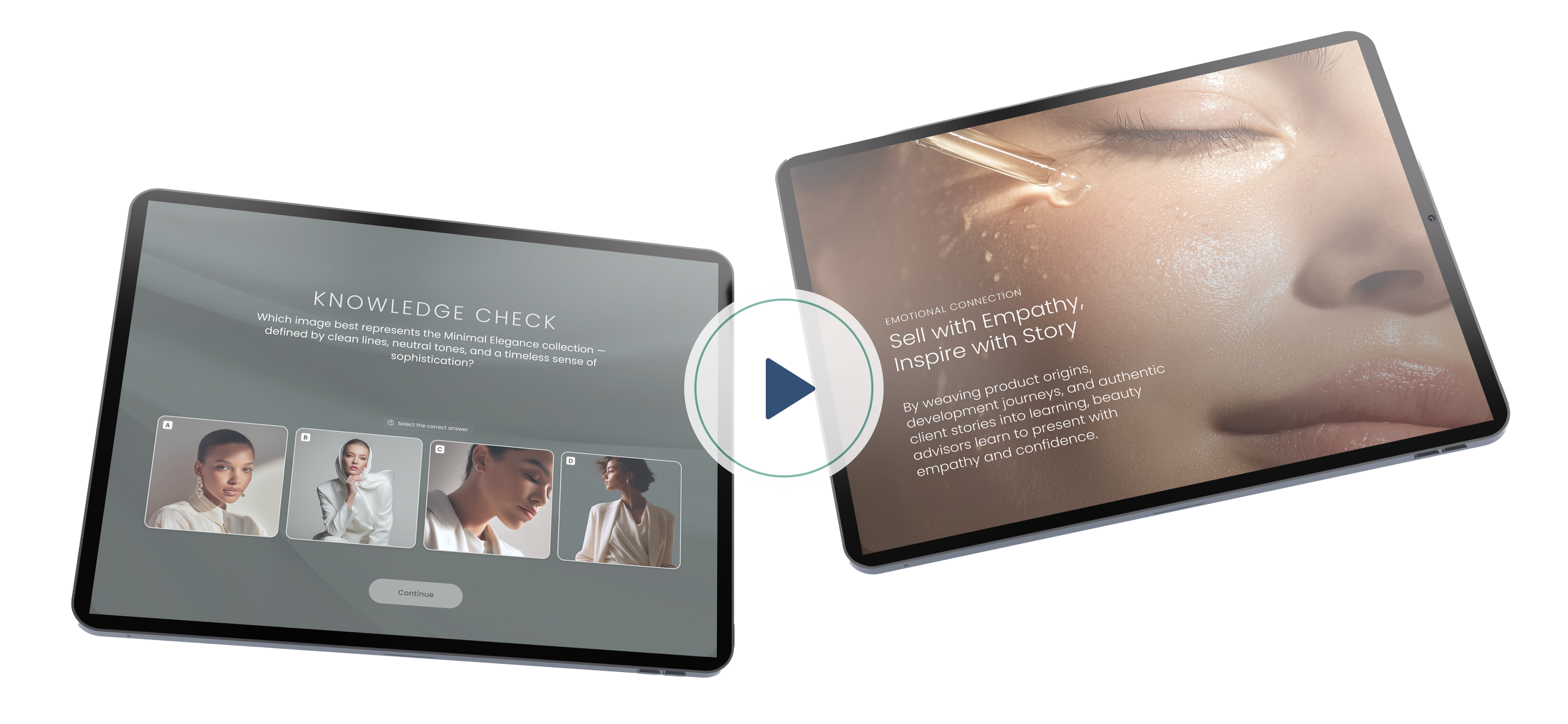
A video-first approach combined with microlearning creates an instalearning experience, using interactive tools such as video quizzes, simulations, and live recordings to transform passive viewing into active participation.
By adopting mobile-friendly, bite-sized learning modules, organizations can deliver visual storytelling and interactive lessons that fit into employees’ fast-paced, on-the-go schedules. Training becomes a seamless part of daily work rather than an interruption.
This method allows learners to access high-quality, interactive content on smartphones, tablets, or desktops while maintaining engagement, retention, and consistency across different devices and learning environments.
Key Strategies for Video-First and Bite-Sized Learning
Leverage a Video-First Learning Ecosystem
Design your platform to prioritize video-based learning, offering tools such as interactive videos, video assessments, and live recordings to create a dynamic and engaging learning environment.
Create Bite-Sized “Instalearning” Moments
Use authoring tools to design interactive, animated content, including on-platform video recording and quizzes, enabling microlearning experiences that improve knowledge retention and learner engagement.
Optimize for On-the-Go Learning
Deliver short, digestible learning modules accessible on iOS and Android apps, ensuring employees can train anytime, anywhere without disrupting their workflow.
Facilitate Visual Storytelling
Go beyond text-based content by using video and audio to explain complex concepts, processes, or brand knowledge, creating a visually engaging learning experience that enhances understanding and retention.
Establish Clear Objectives and Personalized Learning Paths
To create meaningful learning experiences, training must go beyond generic platforms and provide a fully branded, learner-focused environment that aligns with the organization’s identity and culture.
A customizable learning management system (LMS) allows organizations to design a white-label platform where every visual element—from layouts to interactive elements—reflects the company’s branding. This ensures learners feel connected and engaged rather than interacting with a generic tool.
By leveraging AI-driven personalization and performance analytics, the LMS can tailor individual learning paths based on real-time progress, ensuring objectives for skill development, knowledge acquisition, and professional growth are both clear and personally relevant for every learner.
Key Strategies for Personalized and Branded Learning
Create a Customizable Digital Learning Hub
Use a no-code, fully customizable learning platform to design a premium, branded environment that aligns learning experiences with the organization’s unique vision and culture.
Personalize Learning Paths with AI
Move beyond one-size-fits-all training by leveraging AI-driven personalization to automatically create individual learning paths based on employee progress, skills, and development goals.
Align Learning with Strategic Objectives
Deliver targeted learning modules that focus on core competencies, professional skills, and role-specific knowledge to ensure employees understand and meet organizational goals.
Use Data to Drive Continuous Improvement
Leverage analytics and reporting to track learner engagement, performance, and knowledge gaps in real-time, enabling data-informed improvements to training programs.
Maintain Consistent Branding Across Teams
Ensure a cohesive learning experience that reflects the company’s identity and culture consistently across global or distributed teams, reinforcing engagement and alignment.
Use AI to Enhance Human Connection in Learning
To create meaningful learning experiences, organizations must recognize that employees are social learners who thrive on connection, collaboration, and interaction rather than just content consumption.
AI can be integrated strategically to handle administrative and logistical tasks, such as automatic translation, content editing, and text-to-speech accessibility, allowing trainers and mentors to focus on human-centered coaching and engagement.
By automating routine processes and personalizing learning paths based on real-time progress, AI acts as a supportive tool that enhances learning without replacing the social and collaborative aspects of blended learning programs.
This ensures that human mentors can dedicate time to coaching, group discussions, and peer interaction, creating a personalized and community-focused learning environment that fosters engagement, connection, and retention.
Key Strategies for AI-Supported, Human-Centered Learning
Automate Administrative Tasks to Focus on Connection
Leverage AI-powered tools to handle time-consuming tasks such as content editing, automatic corrections, and global translation, freeing trainers to focus on human-centered coaching and engagement.
Personalize Learning Paths Intelligently
Use AI-driven personalization to automatically design and adjust individual learning paths based on employee progress, performance, and skill development.
Enhance Accessibility with AI Tools
Implement AI-powered text-to-speech and other accessibility features to support mobile and on-the-go learning, ensuring all employees can engage with training content effectively.
Prioritize Emotional Design in Learning
Technology should enhance the learner experience, creating training that is memorable, engaging, and emotionally resonant rather than purely informational.
Support Blended Learning Ecosystems
Use digital tools to track and manage the complexities of blended learning programs, where online learning modules complement in-person workshops, mentoring, and certification.
Foster a Culture of Feedback and Collaborative Learning
To create effective learning experiences, organizations must move beyond static assessments and promote two-way communication that encourages active participation and collaboration.
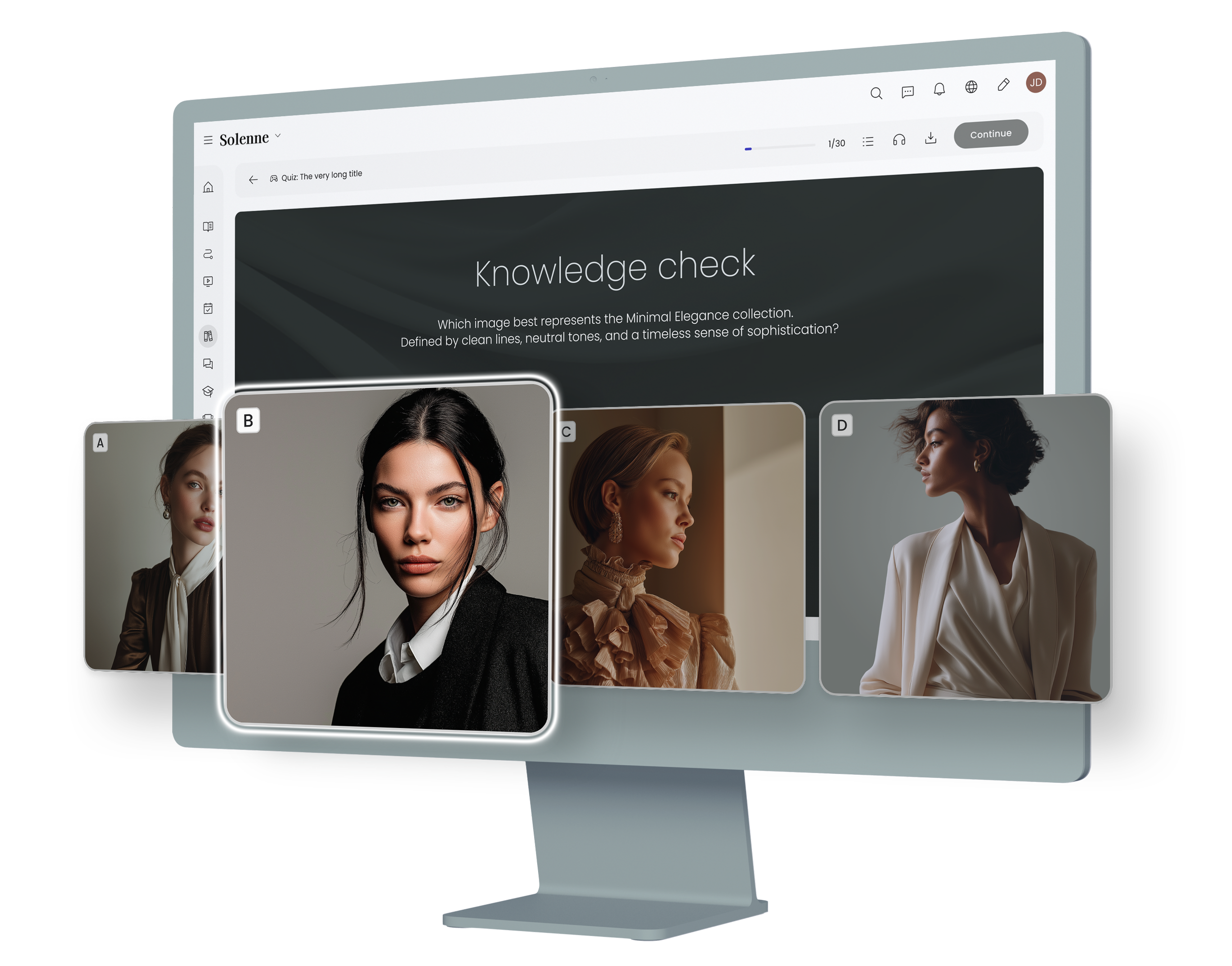
A learner-centered approach replaces passive content consumption with a culture of feedback, using gamification tools such as quizzes, badges, and leaderboards to boost motivation and engagement.
By leveraging a blended learning ecosystem, organizations can connect digital microlearning with hands-on, in-person application, ensuring that online achievements are reinforced through workshops, coaching, and real-world validation.
This strategy establishes a continuous feedback loop where technology—including audio feedback, video assessments, and interactive tools—supports social recognition and human connection, making each learning moment meaningful and reinforcing peer collaboration and professional growth.
Key Strategies for Engagement and Feedback-Driven Learning
Drive Engagement with Gamification
Move beyond traditional assessments by integrating gamification features such as quizzes, badges, and leaderboards to increase learner motivation and participation.
Bridge Online and Offline Learning
Enhance engagement and human interaction through a blended learning approach, seamlessly connecting digital microlearning modules with in-person workshops and practical application.
Encourage Social Interaction and Collaboration
Foster a community-focused learning environment by incorporating group discussions, peer challenges, and collaborative exercises that promote engagement and knowledge sharing.
Leverage Audio and Video for Personalized Feedback
Use audio feedback, video assessments, and interactive tools to deliver personalized, human-centric guidance, ensuring learners receive actionable insights that enhance performance.
Establish a Continuous Recognition Cycle
Create a structured recognition system by issuing certifications or badges upon completion of learning paths, reinforcing achievement and encouraging ongoing development.

The Learning Lab: A Branded LMS for Engaging Learning Experiences
The Learning Lab is more than a standard training platform; it is a fully customizable learning management system (LMS) designed to deliver branded, learner-centered experiences that reflect an organization’s unique culture and identity.
Moving beyond generic corporate solutions, this LMS prioritizes emotional design, enabling organizations to create a white-label environment where every visual element—from layouts to interactive components—aligns with the company’s brand rather than the vendor’s template.
Recognizing that learners are social and collaborative, The Learning Lab combines the convenience of mobile-first microlearning with the depth of blended learning programs, ensuring training integrates seamlessly into daily workflows. This approach maintains engagement, supports skill development, and provides a cohesive, visually appealing digital learning experience.
Key Features and Strategies of a Modern, Branded LMS
White-Label, Customizable Learning Environment
A no-code, fully customizable platform that aligns learning experiences with your organization’s unique culture and brand identity. Employees engage with a premium, branded digital space rather than a generic portal, enhancing motivation and ownership.
Video-First Microlearning and Instalearning
includes interactive authoring tools supporting video quizzes, assessments, and live recordings. This enables dynamic visual storytelling and bite-sized learning experiences that resonate with modern learners.
Mobile-First, On-the-Go Learning
Accessible via iOS and Android apps, the platform allows employees to complete microlearning modules anytime, anywhere, supporting just-in-time learning and skill development without disrupting workflows.
Blended Learning with Human Connection
The system supports blended learning programs, connecting online learning modules with in-person workshops and mentoring. Features like audio feedback and interactive assessments enhance human coaching while tracking progress, certifications, and engagement.
Strategic AI Integration
AI is leveraged to enhance rather than replace human learning, managing tasks such as automatic translation, text-to-speech accessibility, and personalized learning paths based on real-time progress. This allows managers and trainers to focus on mentorship, coaching, and social learning.