
Building a Culture of Continuous Learning in the Workplace
Luminous Learning: Building a Continuous Learning Culture for Business Success
In today’s fast-paced business world, continuous learning is no longer optional. It has become a strategic driver for improving customer experience, employee performance, and brand consistency across teams and regions.
Research shows that people forget nearly 50% of new information within an hour and up to 80% within 30 days if it isn’t reinforced. One-off training sessions are no longer enough to sustain knowledge or skill development. Leading organizations are now adopting ongoing learning strategies that leverage micro-learning, mobile-first training, blended experiences, and collaborative knowledge sharing.
For instance, short learning modules under 10 minutes can achieve completion rates around 80%, compared to only 20% for traditional eLearning. By combining daily micro-activities, expert storytelling, peer-to-peer exchanges, and smart notifications, companies can create learning ecosystems that mimic the habits of modern digital users: fast, mobile-friendly, engaging, and continuous.
This modern approach to professional development drives higher engagement, increases skill retention and application, and ultimately strengthens employee productivity and business outcomes. Continuous learning is more than a training method—it is the foundation for a high-performance workplace culture that fosters growth, innovation, and excellence.
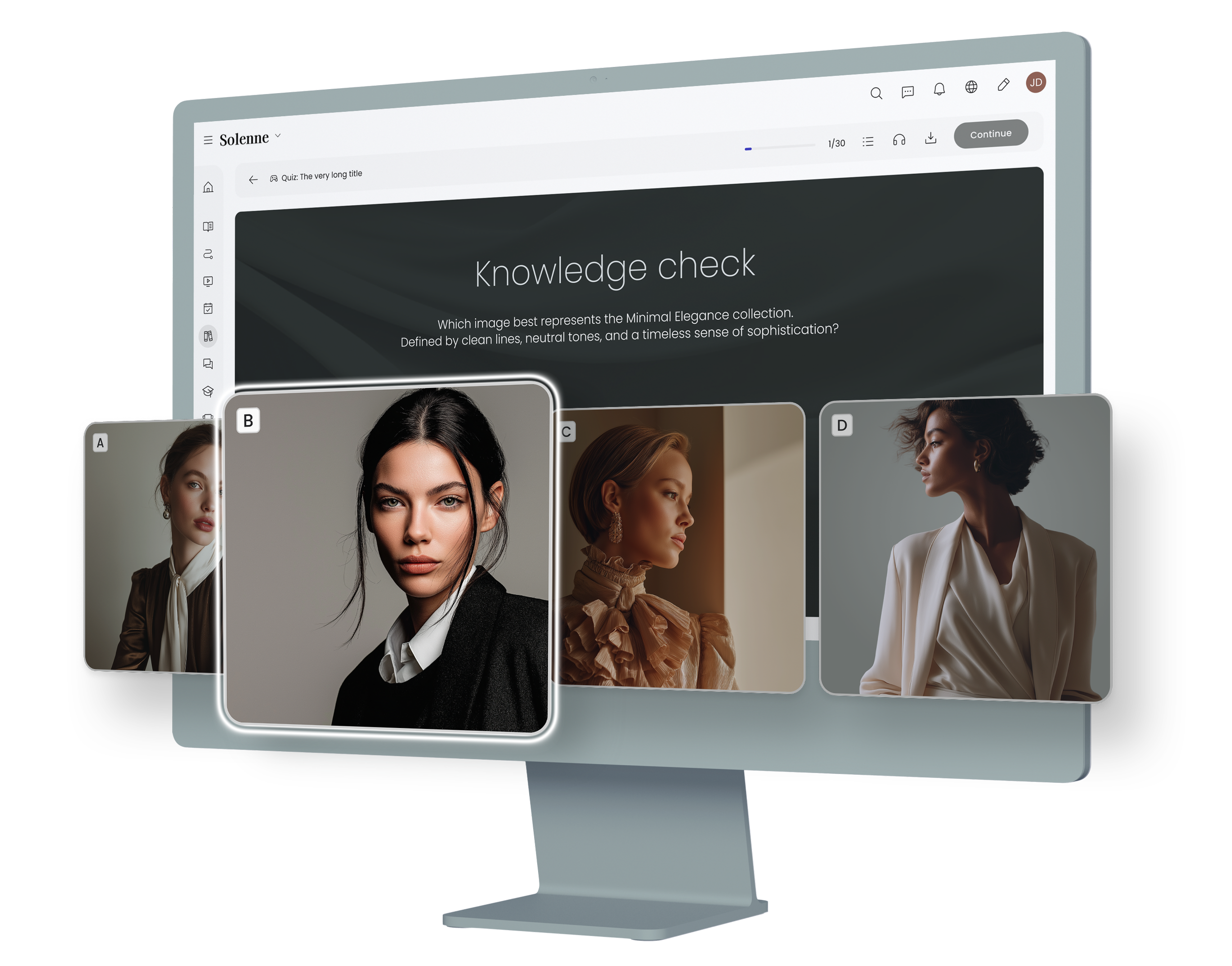
Nano-Learning & InstaLearning: Small Actions, Big Impact for Modern Workplaces
In fast-paced industries, where teams are constantly adapting to new tools, processes, and client interactions, training needs to be instant, visual, and seamlessly integrated into daily workflows.
Nano-learning and InstaLearning—ultra-short modules ranging from 30 to 90 seconds—are ideal for professionals who have limited downtime yet need to stay updated. These bite-sized lessons deliver targeted knowledge quickly, making learning practical, engaging, and easy to apply on the job.
Across industries, nano-learning is redefining professional development. Mobile-first, visual, and directly actionable content consistently outperforms traditional training formats. Short, frequent learning bursts help retain knowledge, reduce forgetting, maintain organizational consistency across teams and regions, and tie learning directly to workplace performance.
Key Data & Insights: Micro- and Nano-Learning in Modern Workplaces
Ultra-short lessons for quick refreshers: 30–90 second modules are perfect for employees who need rapid knowledge boosts between tasks, meetings, or client interactions.
Higher engagement and retention: Micro- and nano-learning formats increase accessibility, participation, and knowledge retention compared with traditional training methods.
Mobile-first and visual design: These bite-sized modules are optimized for fast, swipeable, on-the-go learning, fitting naturally into employees’ daily workflows.
Supports rapid onboarding and updates: Teams can quickly learn new processes, product updates, or workflow steps in minutes without disrupting productivity.
Reduces skill decay and maintains alignment: Continuous nano-learning keeps employees’ skills sharp and ensures consistent application of organizational standards, whether teams are local or global.
Daily On-the-Job Activities Drive Behavioural Change
In fast-paced industries, the most effective training happens in real-time, at the moment of action, rather than weeks later in a classroom.
Short daily “skill moments” of just 1–3 minutes can be transformative, helping employees embed new processes, product knowledge, and client-focused behaviours into their routines. Research shows that micro-learning delivered in brief, frequent bursts can improve retention by up to 50% compared to traditional training methods.
By integrating daily tips, role-play exercises, quick knowledge refreshers, and mobile prompts, organizations can anchor learning in real work moments. This approach not only combats the forgetting curve but also drives measurable behavioural change, linking professional development directly to performance outcomes.
Key Data & Insights: Daily Micro-Learning for Behavioural Change
Short skill moments (1–3 minutes): Fit seamlessly into daily workflows and encourage habit formation.
Higher retention: Micro-learning delivered in short bursts can boost knowledge retention by 50–60% compared with traditional long-form training.
Practical application: Quick exercises, tips-of-the-day, and mini role-plays reinforce behaviours that impact key performance areas.
Counteracts the forgetting curve: Frequent, actionable learning ensures knowledge stays fresh and immediately usable.
Direct link to performance: When embedded in daily operations, training becomes a live driver of productivity, client satisfaction, and business outcomes.
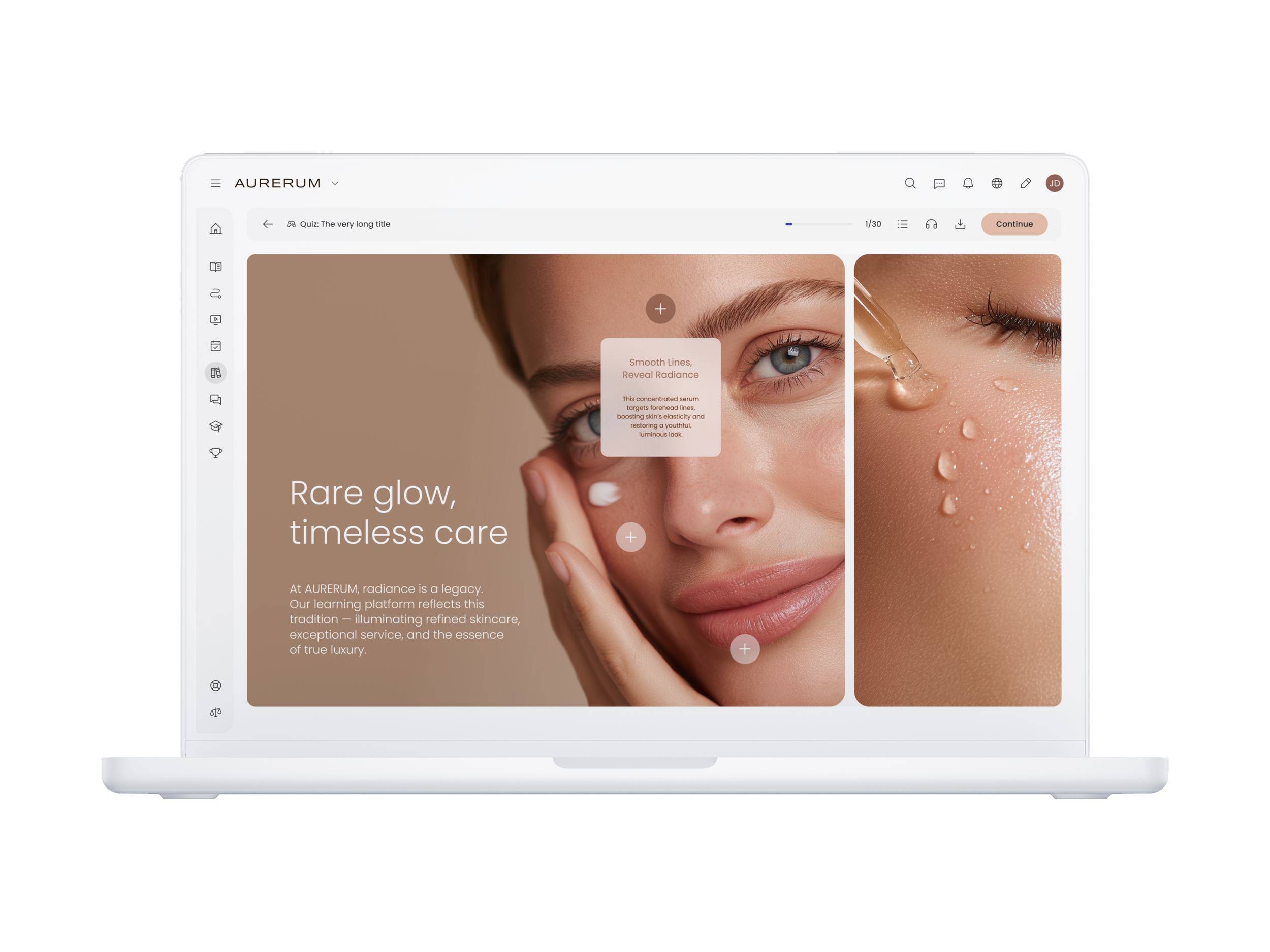
Blended Learning: The Most Effective Format for Employee Training
In industries where expertise, client experience, and operational excellence intersect, training must address both knowledge acquisition and behavioural application.
Blended learning is increasingly recognized as the most effective training format, combining digital micro- or nano-learning modules with short in-person or live sessions, on-the-job exercises, and peer-to-peer role-plays.
Research shows that blended learning environments deliver significantly higher engagement and learning outcomes than purely online or classroom-only approaches. One meta-analysis reported overall course performance of approximately 71% for blended learning versus 67% for traditional methods, with engagement levels around 88%.
A high-performing blended learning program might include online micro-learning modules, brief team huddles, short practical exercises during work shifts, weekly coaching check-ins, and monthly knowledge challenges. When digital platforms are integrated with real-world workflows, training becomes seamless, relevant, and actionable—empowering employees to perform confidently, consistently, and effectively.
Key Insights & Data: Blended Learning in the Workplace
Higher learning outcomes: Blended learning formats show ~71% course performance compared to ~67% for traditional training methods in one study.
Strong engagement: Cognitive engagement and technology efficacy are reported at ~88% and ~88.4% respectively in blended learning environments.
Increased trainer impact: Instructors report up to 73% higher engagement when employing blended learning models.
Examples of Blended Learning in Practice:
Online micro- or nano-learning modules for new processes, tools, or updates.
Short pre-shift or pre-meeting huddles (around 5 minutes) to align teams on priorities and key messages.
Quick role-plays or practical exercises during work shifts to reinforce skills.
Weekly coaching sessions (digital or in-person) to refine techniques and provide feedback.
Monthly challenges or knowledge exercises tied to key business goals, product understanding, or client service standards.
By integrating digital learning tools with hands-on, on-the-job practice, blended learning turns training into a strategic, results-driven experience rather than a one-time event.
Social Learning & Peer-to-Peer Exchange: Harnessing Collective Knowledge
In modern workplaces, effective learning doesn’t only happen through formal training modules—it evolves through everyday interactions, peer insights, and shared expertise.
Social learning and peer-to-peer exchange are powerful drivers of behavioural change, culture adoption, and performance improvement. Research indicates that roughly 70% of workplace learning occurs through informal or social interactions rather than structured courses.
In practice, this means colleagues sharing tips, mentoring one another, role-playing scenarios, celebrating successes, and providing feedback. Such environments enhance skill application, reinforce organizational standards, and reduce performance gaps across teams and locations.
Key Insights & Data: Social Learning & Peer-to-Peer Exchange
Informal learning dominates: Around 70% of workplace skill development occurs through informal or social interactions rather than formal courses.
Stronger skill application: Peer feedback and group learning can increase skill application by 30–40% in many contexts.
Reduced performance gaps: Sharing best practices across teams or locations can reduce variability in performance by 20–30%.
Higher engagement: Incorporating social features like likes, comments, challenges, and peer-sharing can boost engagement by up to 55% in modern learning platforms.
Practical Examples of Social Learning in the Workplace:
Team members posting daily tips, insights, or quick lessons in internal community platforms.
Short peer-to-peer videos demonstrating successful strategies or techniques.
Friendly competitions between teams or locations to reinforce learning and recognize achievements.
Instant feedback loops and cross-team sharing of best practices.
Outcome: Social learning transforms training from isolated modules into a dynamic, living knowledge ecosystem where skills are shared, applied, and continuously improved in real time.

Community Management Through Notifications & Messaging: Boosting Learning Engagement
In modern workplaces, learning is not a one-time event—it happens continuously and through connection.
Smart notifications and community-driven messaging act as a subtle yet powerful way to maintain engagement. Research shows that well-designed push notifications can increase user retention rates by up to 300% when they are relevant, timely, and valuable. Strategically timed nudges—such as weekly updates rather than daily alerts—help sustain participation over the long term.
Digital communities maintained through in-platform messaging, updates, and recognition shout-outs foster a sense of belonging. This emotional connection is critical in any organization where culture, brand identity, and team alignment are priorities. When combined with live sessions, peer-to-peer messaging, and expert-driven prompts, training shifts from being a task to becoming a shared, collaborative learning experience.
Key Insights & Data: Community-Driven Notifications & Messaging
Boost retention: Smart notifications can increase learning retention by up to +300% when personalized, timely, and action-oriented.
Sustainable engagement: Weekly nudges, rather than frequent alerts, help maintain participation over the long term and reduce fatigue in learning ecosystems.
Foster belonging and culture: Community features like messaging threads, peer shout-outs, and recognition feeds strengthen team alignment and organizational culture.
Real-time relevance: Notifications that trigger immediate actions (e.g., “New tip available” or “Check peer insight from another team”) transform learning from passive to active and workflow-relevant.
Integrated learning experience: Combining notifications with live sessions and peer-driven interactions creates a training experience that reflects the organization’s culture rather than feeling like just another LMS module.
Group Discussions & Live Sessions Strengthen Workplace Culture
In fast-moving industries, live group discussions and interactive sessions serve as more than just training—they create meaningful culture-building moments.
Formats such as live Q&A sessions or “Ask the Expert” opportunities can significantly enhance understanding and retention. Research shows that interactive live sessions can boost learning and knowledge retention by up to 40%.
When teams engage directly with experts, managers, or senior leaders in live group settings, emotional connection strengthens, organizational identity stabilizes, and performance improves. Team challenges, cross-location competitions, and collaborative explorations of workflows or best practices build motivation, community, and measurable outcomes.
In workplaces where every interaction and decision matters, these human-scale moments turn training into living, experiential learning that reinforces culture and drives performance.
Key Insights & Data: Live Group Sessions & Collaborative Learning
Boost learning effectiveness: Live interactive sessions can increase knowledge retention and skill application by up to +40% compared with passive formats.
Enhance motivation and engagement: Participation in shared challenges and collaborative missions raises morale, engagement, and overall team performance.
Strengthen culture and consistency: Group-based learning reinforces organizational values, standard practices, and team alignment across locations.
Practical Applications in the Workplace:
Live Q&A sessions with experts, leaders, or senior staff to deepen understanding of key processes or organizational initiatives.
Cross-team challenges, such as “Best project execution this week,” to encourage friendly competition and peer recognition.
Group role-play, scenario exercises, or reflection sessions to reinforce behaviours, workflows, and best practices.
Outcome: These methods transform training from isolated modules into shared, engaging experiences that connect teams, build culture, and empower employees to perform consistently and confidently.
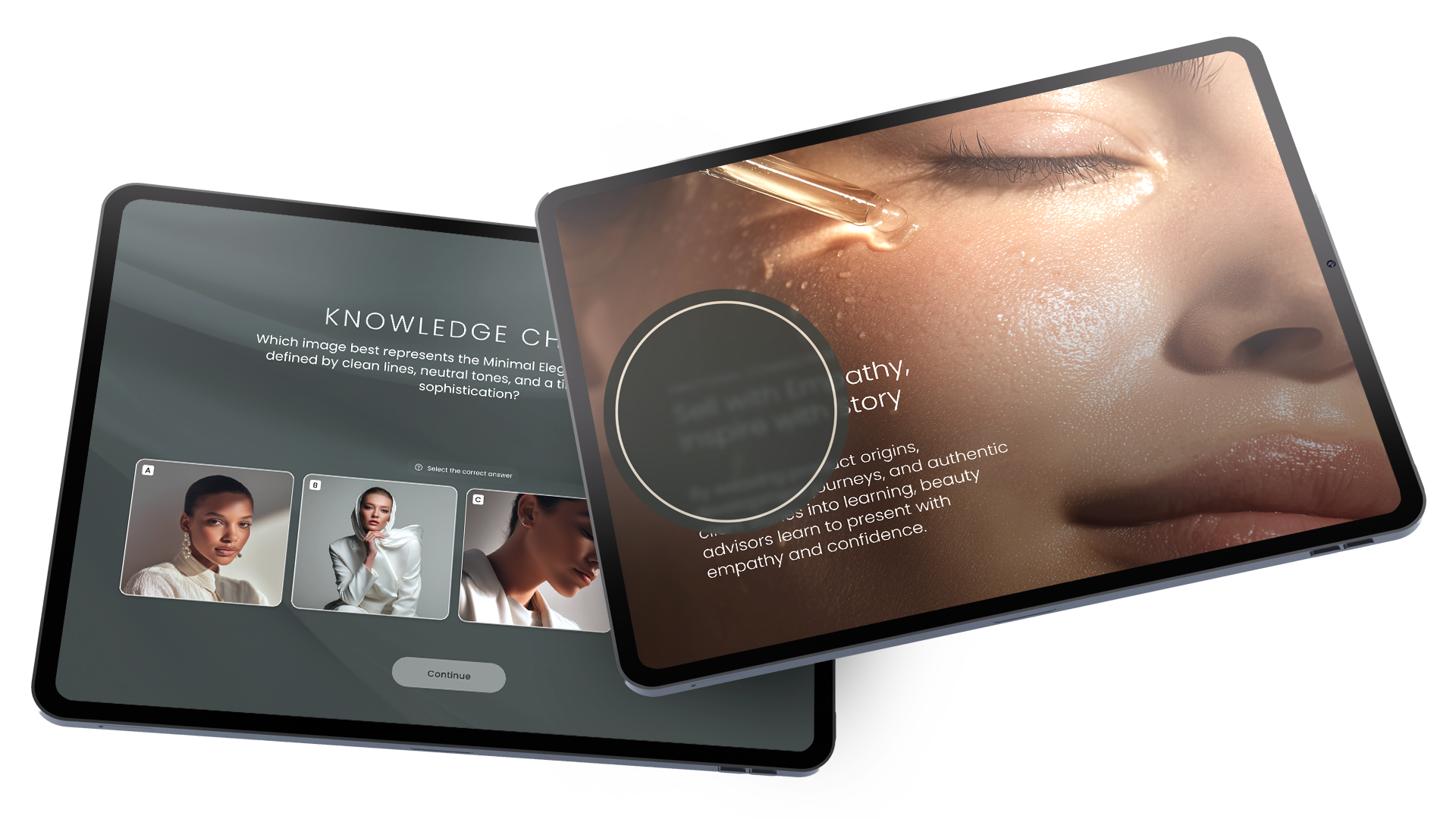
Continuous Learning Drives Continuous Performance
In today’s competitive business environment, continuous learning is not just a nice-to-have—it is a critical driver of performance, engagement, and organizational excellence.
Organizations that cultivate a learning culture and embed ongoing development see measurable business impact. Research shows that modern eLearning platforms, micro-learning, and just-in-time training can significantly improve knowledge retention, skill application, onboarding efficiency, and overall workplace performance compared with traditional training methods.
While results vary depending on industry and program design, the benefits of aligning learning with daily workflows and strategic objectives are clear. Turning training into an ongoing rhythm rather than a one-off event ensures employees are continuously growing, improving, and performing at their best.
Key Business Impacts & Data: Continuous Learning
Higher engagement and retention: Organizations with continuous learning programs demonstrate significantly stronger employee engagement, retention, and overall performance.
Counteracts skill decay: Training designed for context and pace helps reduce the forgetting curve, reinforcing skills and behaviours in day-to-day workflows.
Benchmark performance improvements:
Knowledge retention across the year: +45% (example target)
Skill application improvement: +32% (example target)
Onboarding time reduction: -20% (example target)
Performance or sales uplift on key metrics: 5–12% (example target)
Digital engagement: Mobile-first, micro-learning platforms can see up to 2× higher re-engagement compared with traditional formats.
Practical Outcome: When learning is mobile, micro-burst, contextual, and continuous, organizations don’t just train employees—they drive higher performance, consistent service delivery, and stronger client or customer engagement.
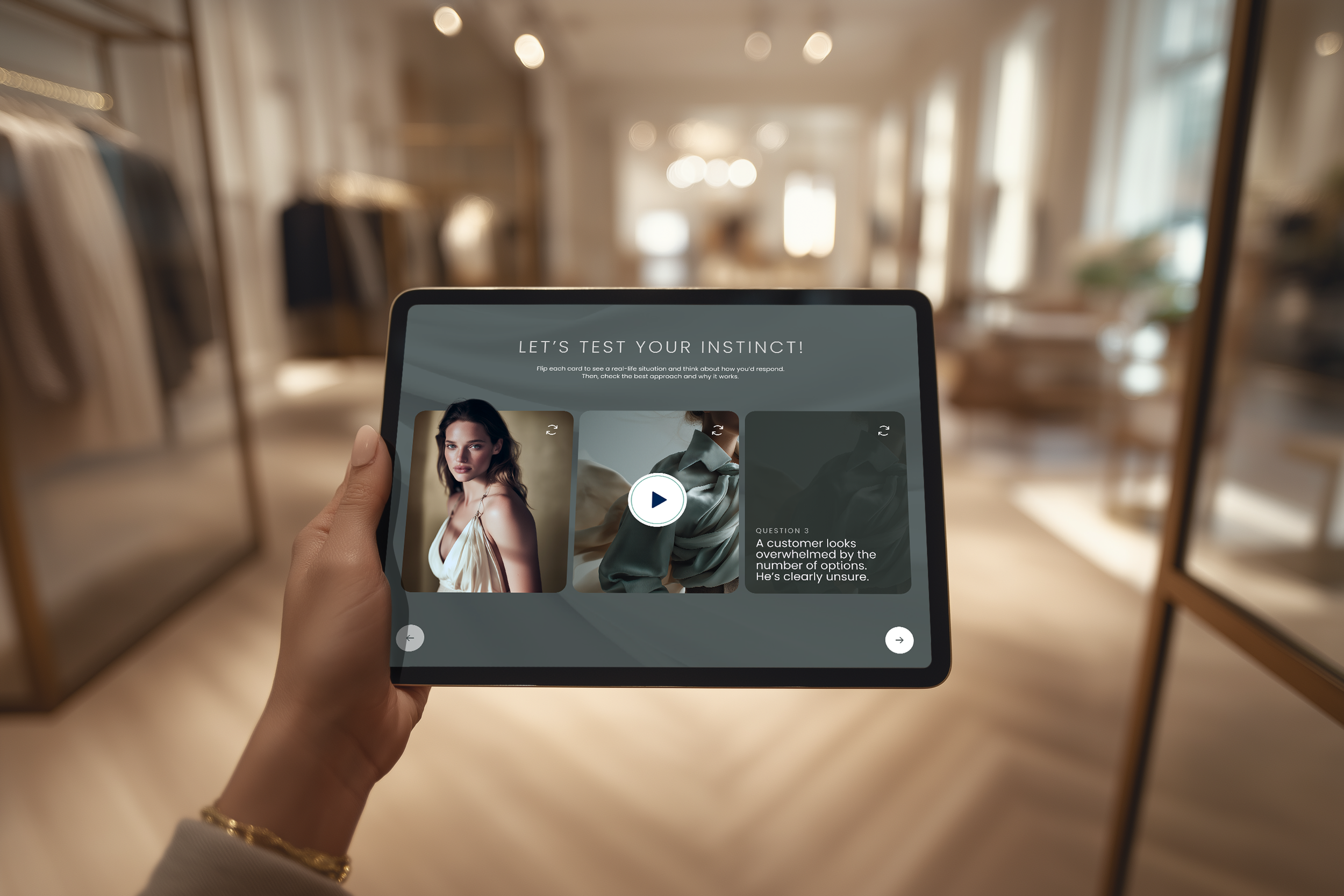
Conclusion: Building a Culture of Continuous Learning
In today’s fast-paced business environment, where products, technologies, and customer expectations evolve rapidly, ongoing learning is not optional—it is essential.
Research shows that staying current with skills, processes, and best practices directly supports employee credibility, client satisfaction, and organizational performance.
Modern learning platforms meet this need by combining design, brand culture, and innovative learning experiences. Mobile-first, micro-learning modules align with daily workflows, while community features, peer-to-peer exchange, and analytics tools drive engagement, retention, and measurable results.
When organizations embed learning into everyday operations, training becomes a living culture rather than a periodic event. This approach strengthens organizational consistency, elevates team performance, and enhances customer relationships. For companies focused on high performance, brand alignment, and continuous improvement, a strategically designed, immersive learning solution ensures employees are engaged, skilled, and ready to deliver excellence.