
Advancing Training Through Innovative LMS Features
Elevating Training Excellence Through Innovative LMS Features
Training today goes beyond foundational knowledge—it requires engaging storytelling, subject-matter understanding, personalized interaction skills, and consistent Brand representation.
Innovative LMS capabilities such as AI-assisted content development, interactive video learning, scenario-based pathways, multilingual support, and mobile-first design enable learners to build both knowledge and practical skills.
By integrating Brand-focused environments with performance insights and structured learning journeys, modern LMS platforms turn training into an ongoing, measurable experience that strengthens confidence and capability across teams.

1. Interactive Assessments: Converting Knowledge into Measurable Outcomes
Interactive assessments transform learning from passive understanding into active execution.
By leveraging formats such as quizzes, flashcards, hotspot activities, scenario-driven video evaluations, live testing, and video-based coaching, organizations can assess both knowledge retention and real-world application.
These diverse methods enhance engagement, reinforce key concepts, and deliver actionable insights—ensuring learners are fully equipped to perform with confidence and consistency.
2. Optimizing Learning Delivery with Branch-Based Structures
Branch-based structures within an LMS allow organizations to create multiple distinct yet connected learning environments.
These environments can be customized with specific Brand elements, content strategies, and user experiences to meet different needs.
The result is a scalable and efficient system that delivers targeted training, maintains consistency, and supports continuous learning across audiences.
3. Designing Engaging Training Experiences with Authoring Tools
Modern authoring tools empower teams to create meaningful training content with ease and flexibility.
Through features like animation, interactivity, and multimedia integration, content can be designed to capture attention while maintaining strong Brand consistency.
This approach supports the development of immersive learning environments that enhance both engagement and understanding.
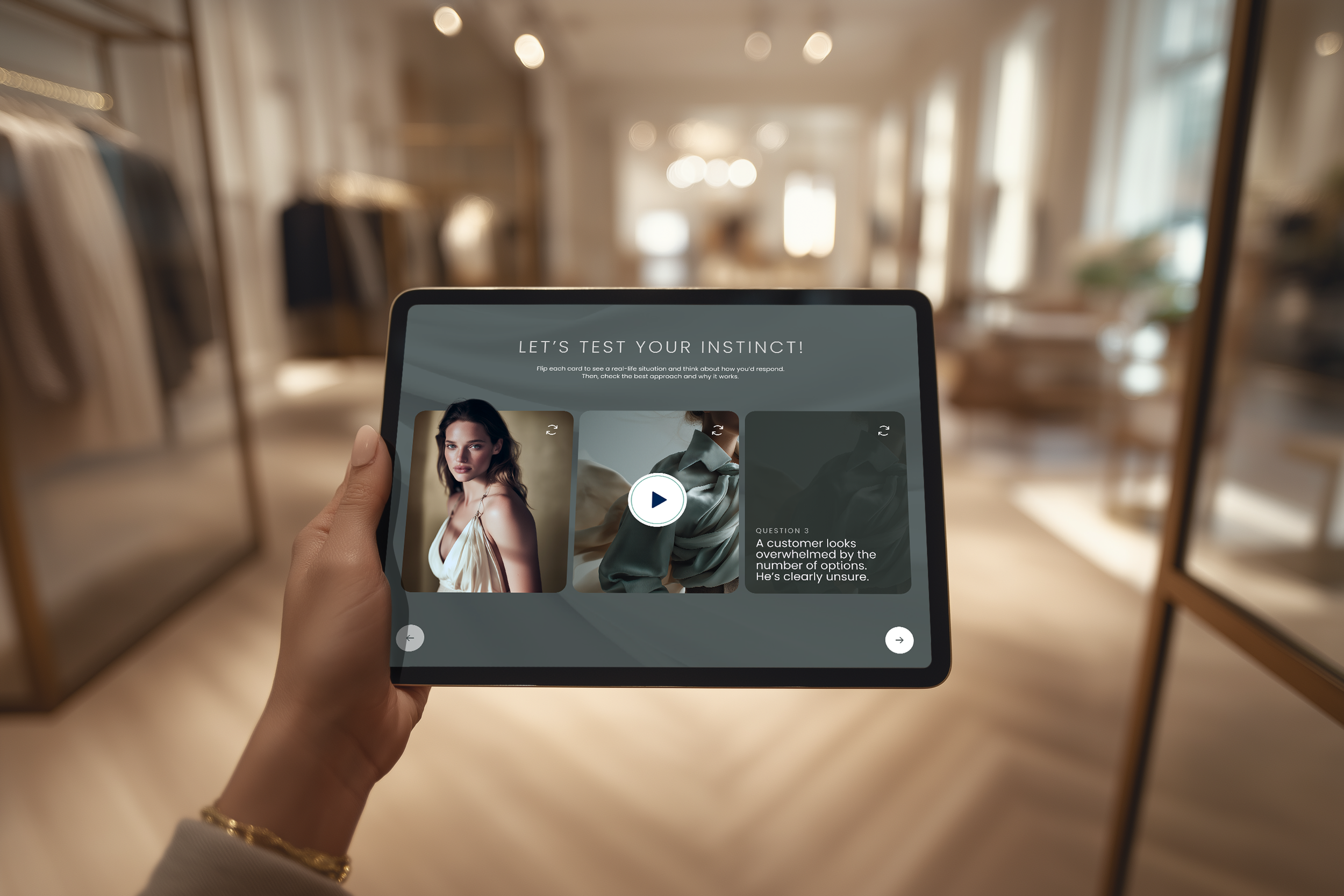
4. Real-Time Learning Through Integrated Communication Tools
Live communication features bring a new level of engagement to training by enabling direct interaction within the learning environment.
From coaching sessions to live discussions and guided evaluations, audio and video tools allow learners to connect, ask questions, and receive instant feedback.
This approach enhances participation, reinforces understanding, and builds stronger connections across teams.
5. Breaking Language Barriers with Smart Translation Tools
Automatic translation plays a key role in scaling training across diverse audiences.
By converting content into multiple languages while retaining accuracy and tone, LMS platforms make learning more accessible and engaging.
This approach supports consistency, accelerates rollout timelines, and ensures training resonates across different regions.
6. Microlearning in Motion: Learning That Fits the Flow of Work
InstaLearning brings training into the natural rhythm of daily tasks through quick, targeted learning experiences.
With concise, mobile-friendly modules, learners can absorb key concepts, refine skills, and stay up to date without disrupting their workflow.
This approach promotes continuous learning, improves retention, and encourages immediate application in real-world scenarios.

7. Unlocking Data-Driven Learning with Advanced Analytics
Modern reporting tools enable organizations to fully understand and optimize their training programs.
From tracking participation and performance to analyzing learning paths and content engagement, advanced analytics deliver meaningful insights at both individual and group levels.
This data-driven approach supports better decision-making, improved accountability, and more effective training strategies.
8. Challenges: Gamified Learning That Drives Performance
The Challenges feature introduces friendly competition among learners, teams, or groups—transforming training into an engaging and performance-focused experience.
Through knowledge checks, scenario-based activities, mission-driven tasks, and time-bound contests, challenges increase motivation while reinforcing key skills.
By combining gamification with measurable goals, this approach builds momentum, encourages collaboration, and supports continuous improvement across the organization.
9. From Passive Content to Interactive Learning with Video
Video-based learning evolves from passive watching into an interactive training experience that drives real engagement.
By integrating assessments, embedded quizzes, decision points, and interactive elements directly into video content, learners are encouraged to actively participate and apply knowledge in context.
This approach enhances retention, increases engagement, and turns video into a powerful tool for measurable training outcomes.

Conclusion: The Learning Lab as a Strategic Training Partner
A modern LMS is more than a repository of content; training excellence comes from combining technology, Brand consistency, and measurable performance into a single ecosystem.
The Learning Lab provides this integration. Equipped with interactive video, authoring tools, branching scenarios, AI-powered localization, microlearning modules, live coaching, gamified challenges, and in-depth reporting, it creates a fully customizable learning environment aligned with your Brand.
Benefits for global organizations include:
Unified Brand messaging and identity
Scalable and rapid training deployment
Enhanced engagement and knowledge retention
Clear, data-driven performance insights
More than a platform, The Learning Lab is a strategic solution for continuous learning and development, turning training into an experience that drives confidence, performance, and measurable outcomes.