
A/B Testing for Effective Training and Learning
Design, Test, Learn: How A/B Testing Improves Training and Learning
The “Design, Test, Learn” approach is a powerful framework for training and development but is often underutilized in organizations.
A/B testing brings this systematic, evidence-based approach into learning programs by enabling teams to compare different training methods, content formats, or instructional strategies against the same objectives and make decisions based on real results.
Instead of relying solely on intuition, organizations can test what truly engages employees, enhances knowledge retention, and drives measurable performance outcomes. For example, A/B testing can help determine whether short videos or interactive scenarios are more effective, whether storytelling or direct instruction better supports learning, or whether manager-led reinforcement or self-paced modules lead to higher skill application.
By continuously testing, measuring, and refining training programs, organizations can optimize employee learning, improve workplace performance, and create scalable solutions that adapt to different teams, departments, and business goals.

Learning Should Be Creative and Tested
Successful programs thrive when they embrace experimentation, iteration, and continuous improvement.
Training, however, is often created once and delivered as a single, fixed version, without considering differences in audience, context, or learning environment.
A/B testing brings a test-and-learn mindset to learning design. It allows organizations to compare different approaches, formats, and instructional methods against measurable outcomes.
The goal is straightforward but powerful: move beyond assumptions, rely on real data, and let engagement, behavior, and performance guide how training evolves over time.
Key takeaways:
Experimentation, iteration, and feedback drive improvement
Training should adapt to audience and context
A/B testing creates a data-driven approach to learning design
Focus on measurable impact, not just intuition
What Is A/B Testing in Learning?
A/B testing in learning is a method for comparing two versions of the same training element, often called A and B. Both versions aim to achieve the same learning objective but differ in their design, format, or delivery approach.
Learners experience one version or the other, and outcomes are measured using real data and observable behaviors rather than opinions or assumptions. This approach allows organizations to discover what truly works in practice.
For example, A/B testing can help determine whether:
A video or an interactive scenario leads to better engagement
A long-form module or short, focused “nano-learning” improves retention
Manager-led reinforcement or self-paced learning drives stronger skill application
By tracking engagement, knowledge retention, and behavioral outcomes, A/B testing transforms training into a continuous optimization process that is evidence-based, not guesswork.
Key Concepts:
Two versions of the same learning element (A vs B)
Same objective, different design choices
Measured through data and learner behavior
Continuous improvement of learning programs
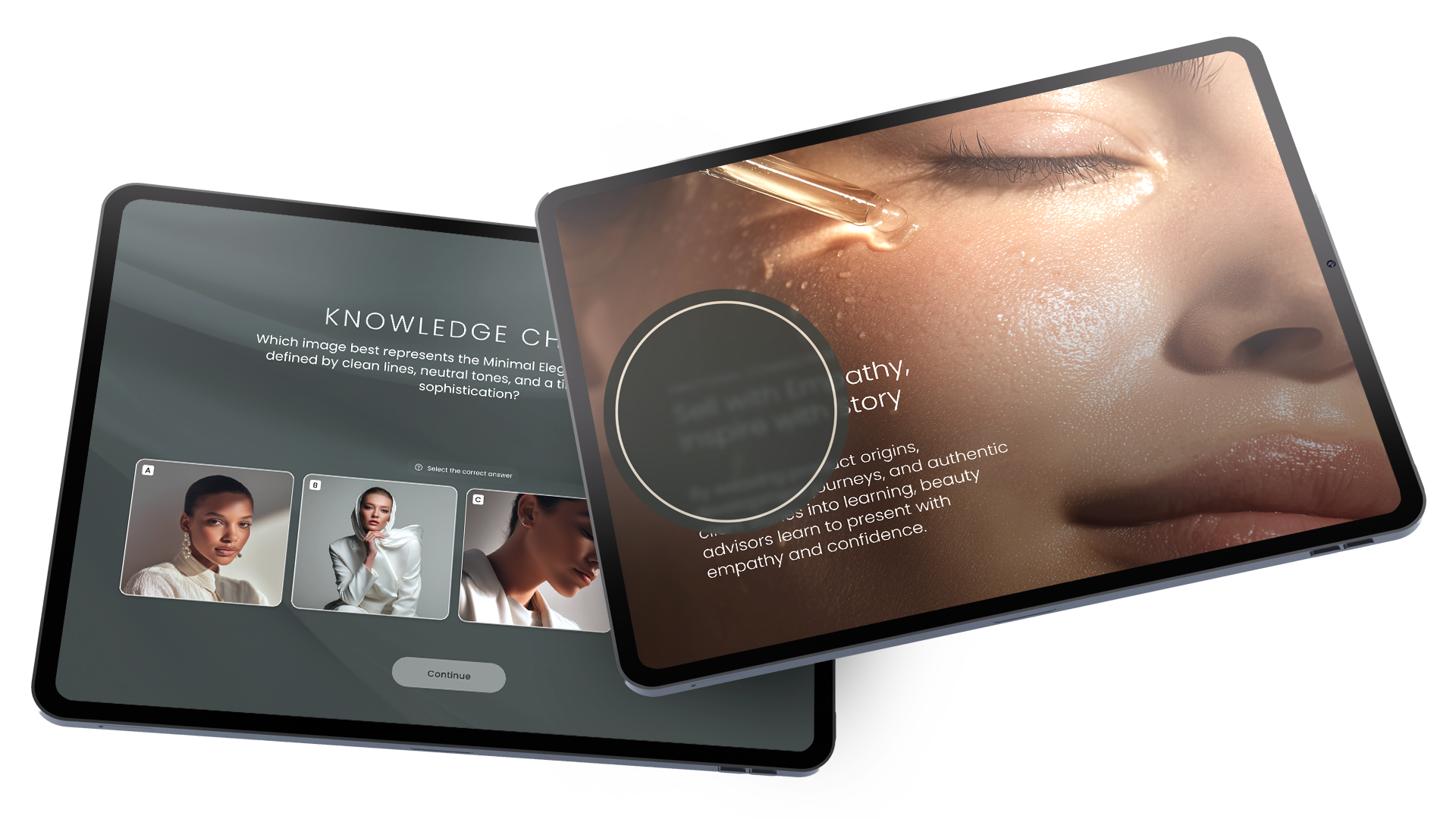
Why A/B Testing Is Especially Relevant in Training
Organizations often operate in complex environments with diverse teams, multiple departments, varying levels of experience, and rapidly changing business priorities.
Yet training is frequently delivered as a one-size-fits-all solution, assuming uniform needs and behaviors across employees, locations, or roles.
A/B testing provides a smarter, data-driven alternative. It enables organizations to adapt learning approaches to different contexts without sacrificing overall consistency, testing what resonates best while maintaining a shared framework.
By comparing formats, tones, or reinforcement methods, organizations can respect local realities, accommodate different learner needs, and ensure training remains relevant, effective, and aligned with broader business objectives.
Training realities:
Diverse teams and departments
Different levels of experience and skill
Rapidly evolving priorities and workflows
Multiple locations or operational contexts
How A/B testing helps:
Tailor learning approaches without losing consistency
Address diverse learner needs while maintaining organizational alignment
Continuously optimize training based on measurable outcomes
What Can Be A/B Tested in Training
A/B testing can be applied across multiple dimensions of training, allowing organizations to refine both how learning is delivered and how key messages are communicated.
Learning Formats
Teams can test different delivery methods to see what works best for learners’ schedules and preferences. For example:
Video-first experiences versus text-supported modules
Short, focused “nano-learning” versus longer, comprehensive courses
Instructional Approaches
Different teaching strategies can be compared to understand their impact on knowledge retention and behavior:
Storytelling versus direct instruction
Activity-based learning versus knowledge-based content
Message and Communication Style
Training can also reinforce organizational culture and key messages. For example:
Campaign-inspired visuals versus timeless, classic design
Emotional storytelling versus functional or instructional messaging
Engagement Strategies
Motivation mechanisms can be tested to see which best drives participation and learning outcomes:
Gamification versus recognition programs
Social or collaborative learning versus individual learning
By experimenting across these dimensions, organizations can optimize training for engagement, retention, and performance, turning learning into a continuous, evidence-based improvement process.

What Metrics Matter (Beyond Completion Rates)
Completion rates alone rarely reflect the real impact of training.
In any organization, what matters is how learning translates into confidence, behavior, and performance on the job. That’s why A/B testing should focus on qualitative and behavioral indicators, not just attendance.
Key metrics include engagement time and repeat usage, which reveal whether content is genuinely useful and relevant. Scenario success rates and knowledge retention help measure understanding and application, while observable behavior change indicates whether learning is influencing day-to-day work. Finally, manager or supervisor feedback provides critical contextual insight, linking learning outcomes to real operational performance and team development.
Engagement time
Repeat usage
Scenario success rates
Knowledge retention
Behavior change
Manager feedback
Common Pitfalls to Avoid in A/B Testing
While A/B testing is a highly effective tool for optimizing training and learning programs, it must be applied carefully to generate meaningful insights.
One of the most frequent mistakes is testing too many variables at the same time, which makes it difficult to determine what actually influenced the results. Similarly, using sample sizes that are too small can produce misleading findings that do not apply across the organization.
Another common issue is drawing conclusions too early, before learners have had sufficient time to engage with the content in real-world conditions. Organizations should also avoid optimizing for superficial metrics like clicks, completion rates, or login activity instead of actual behavior change and performance improvement. High interaction does not always equal learning impact. Finally, it is crucial to maintain program alignment — experiments should improve learning effectiveness, engagement, and outcomes, not compromise organizational standards or objectives.
Testing too many variables at once
Using sample sizes that are too small
Drawing conclusions too early
Optimizing for clicks instead of performance
Neglecting program alignment and learning objectives
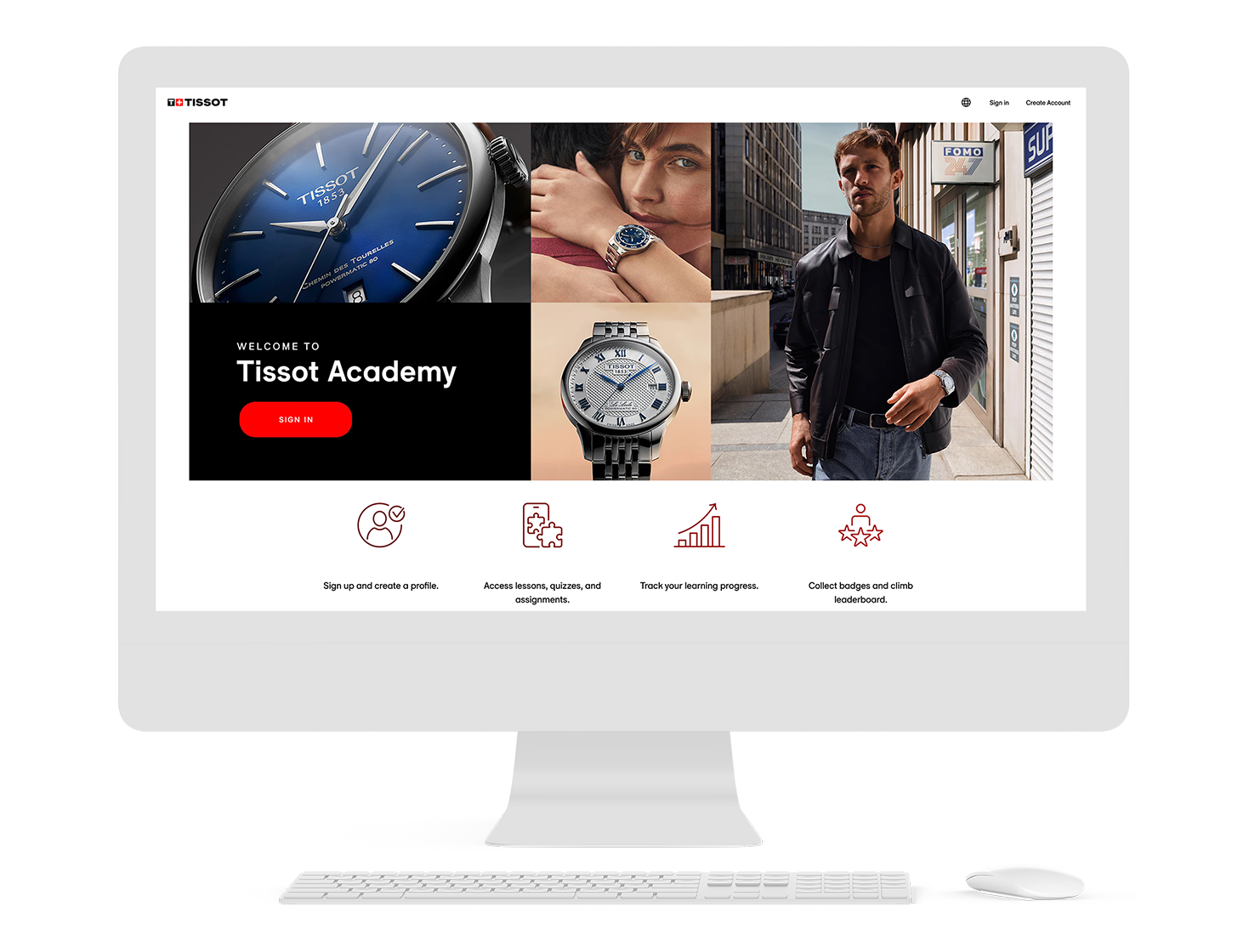
A/B Testing as a Mindset for Learning
Beyond being a methodology, A/B testing represents a cultural shift in how organizations approach training and employee development.
It fosters curiosity and openness, encouraging teams to test assumptions and recognize that even experienced professionals may not always know the optimal approach on the first try. By questioning established practices, it challenges the “this is how we’ve always done it” mindset that can limit innovation in learning programs.
A/B testing positions learning as an evolving system, continuously refined based on real data and feedback rather than static implementations. This mindset promotes agile, performance-driven training that adapts to business needs and improves organizational outcomes.
Encourages curiosity and experimentation
Challenges outdated assumptions
Positions learning as an evolving system
Aligns training with agile and data-driven business practices
How Technology Enables A/B Testing in Training
A/B testing in learning is most effective when supported by the right technology.
Modern learning management systems (LMS) and advanced authoring tools allow organizations to create multiple versions of the same content efficiently, while branching structures enable different learner groups to experience tailored paths based on role, location, or skill level.
With role-based or segment-based delivery, training can be precisely targeted, ensuring fair and meaningful comparisons between versions. Real-time analytics then provide immediate insight into engagement, performance, and behavior, allowing teams to monitor impact as it happens. Together, these capabilities support continuous optimization, where learning is constantly refined to improve outcomes and drive employee performance.
Modern LMS and authoring tools
Branching and adaptive learning structures
Role- or segment-based delivery
Real-time analytics and reporting
Continuous optimization loops

Conclusion: Learning That Continuously Improves
Effective training evolves through constant testing, feedback, and refinement rather than being fixed or universal. Learning programs must adapt, improve, and respond to real-world signals from employees, teams, and business contexts.
A/B testing transforms training into a performance-driven laboratory, where formats, messages, and instructional approaches are continuously optimized based on evidence, not assumptions. Organizations that embrace this test-and-learn mindset create agile, impactful, and measurable learning experiences that drive better engagement, retention, and performance outcomes.